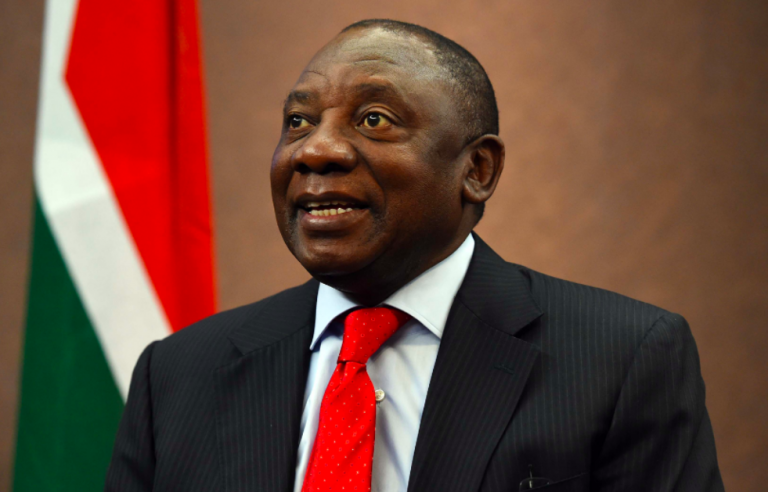
from: The Presidents websiteOn the eve of the 21-day national lockdown to halt the spread of the coronavirus pandemic, President Cyril Ramaphosa has invited all South Africans to take part in a National Day of Prayer wherever they are.The President has, following discussions with religious leaders, called on citizens to observe two minutes of prayer, reflection or silent meditation on Thursday 26 March 2020 between 18:00 and 18:30 hours. The President says this is the moment when South Africans need to act together as one patriotic nation in solidarity with all those affected or impacted by COVID-19, not just in South Africa but around the world.“These are challenging times. We are traversing a path we have never travelled before. There are many amongst us who are fearful, uncertain and vulnerable. I call on our people to offer a prayer and a thought for the protection and healing of our land and its people from this disease,” President Ramaphosa said.“Over the past two weeks, South Africans from all walks of life have demonstrated their resilience by complying with the restrictions that have been placed on their lives. Because we are in a state of national lockdown our prayers must be offered from our hearts and in our homes,” President Ramaphosa said.The national day of prayer comes in response to a proposal made by interfaith leaders who met with the President last week to express their support for the national effort to contain the spread of the coronavirus. National prayer days have been held in a number of countries this week, including parts of the US, UK, the Philippines, Kenya, Mexico and Italy.“The international occurrence of the coronavirus pandemic has affirmed yet again that the challenge we face is a global one and one we cannot overcome alone,” President Ramaphosa said. “I call on all our people, whether they are religious or not, wherever they are, on Thursday the 26th of March to observe a moment of silence in a show of social solidarity,” said President Ramaphosa.The President said the nation’s thoughts should particularly be with those in hospital, quarantine or self-isolation. “In observing this National Day of Prayer we also want to send a message of hope to our brave and patriotic health care workers who are on the frontline and helping to save lives, with our emergency personnel, police, traffic officers and military, and with all those who are working tirelessly to keep us safe, healthy and alive. The media has been exemplary in keeping our people well-informed about the work of government in dealing with this pandemic,” President Ramaphosa added. President Ramaphosa said the hardships imposed by a national lockdown were considerable.“The coming weeks will sorely test our resolve and patience. For millions of South Africans for whom faith is a source of hope and courage, this difficult time must strengthen and unite us as never before.”The President called on citizens to demonstrate their solidarity with fellow South Africans by displaying our inspiring national flag on social media (#PrayForSouthAfrica), outside their homes and other prominent places as an act of compassion and unity during the national lockdown. Enquiries: Khusela Diko: Spokesperson to the President on 072 854 5707Issued by: The Presidency of the Republic of South AfricaPretoria
TALKING POINTS: 21 DAY NATIONAL LOCKDOWN COVID-19
Press release from GovernmentA 21-day national lockdown has been declared.
The lockdown will begin on the evening of Thursday 26 March 2020 at 23:59.
The lockdown will remain in force for 21 days.
All South Africans will have to stay at home until midnight on Thursday 16 April 2020
The categories of people exempted from this lockdown are as follows:
Health workers in the public and private sector,
Emergency personnel,
Security services – such as the police, traffic officers, military medical personnel, soldiers and,
Other persons necessary for our response to the pandemic.
It will also include those involved in the production, distribution and supply of food and basic goods, essential banking services, the maintenance of power, water and telecommunications services, laboratory services, and the provision of medical and hygiene products.
Will I be able to leave my house?
There is no need for panic, as lockdown does not mean a shutdown.
People will still be allowed to get to shops and access essential goods and servicesbut in small numbers.
It is up to all of us to minimise our movement.
Only undertake essential trips outside your home such as to get food, seek medicalcare or access supplies.
When leaving your home try and go out alone, plan your trip and get in and out of your destination as quickly as possible.
Practice hygiene when you go out, wash your hands when leaving home, do so again at your destination and before you depart for home.
What about homeless people and those who cannot self-quarantine?Temporary shelters that meet the necessary hygiene standards will be identified forhomeless people.
Sites are also being identified for quarantine and self-isolation for people who cannot self-isolate at home.
We are all in this together
All sectors and citizens are working well together to fight the Coronavirus and we must continue to do so.
Aggressive containment measures are essential to ensure that the virus does notspread any further.
Please continue to exercise caution and avoid unnecessary travel.
We call on everyone to cooperate with government and other sectors to implement the measures.
What services will remain open?
Most shops and businesses will be closed.
The police, metro police, military and emergency services will continue to operate.
Health care services such as hospitals, clinics, doctors, pharmacies and laboratories will remain open.
Banks and essential financial and payment services, including the JSE will remainopen.
Supermarkets will remain open so that citizens can continue to care for themselvesand their families.
Petrol stations will remain open.
Companies that are essential to the production and transportation of food, basic goods and medical supplies will remain open.
We are expanding efforts to contain the virus.
This nationwide lockdown will be accompanied by a public health managementprogramme which will significantly increase screening, testing, contact tracing andmedical management.
Community health teams will focus on expanding screening and testing where people live, focusing first on high density and high-risk areas.
South African citizens and residents arriving from high-risk countries will automatically be placed under quarantine for 14 days.
Non-South Africans arriving on flights from high-risk countries will be turned back.
International flights to Lanseria Airport will be temporarily suspended.
International travellers who arrived in South Africa after 9 March 2020 from high-risk countries will be confined to their hotels until they have completed a 14-day period of quarantine.
A number of economic interventions are being put in place.
We have set up a Solidarity Fund, which South African businesses, organisations and individuals, and members of the international community, can contribute to.
The Fund will focus efforts to combat the spread of the virus, help us to track thespread, care for those who are ill and support those whose lives are disrupted.
The Fund has a website – www.solidarityfund.co.za – and contributions can bedeposited via the fund.
The Fund will be administered by a reputable team of people, drawn from financialinstitutions, accounting firms and government.
To get things moving, government is providing seed capital of R150 million and theprivate sector has already pledged to support this fund with financial contributions.
We will be spending money to save lives and to support the economy.
We must applaud the commitment made in this time of crisis by the Rupert andOppenheimer families of R1 billion each to assist small businesses and theiremployees affected by the coronavirus pandemic.
We are assisting businesses.
We will be assisting businesses in the informal sector such as spaza shops.
Registration is now open, on www.smmesa.gov.za, for small and medium-sizedbusinesses that require help during the coronavirus crisis.
The department of Small Business Development has a debt-relief fund for smallbusinesses.
Small businesses affected by the outbreak of the coronavirus will be required toproduce proof of negative impact as a result of COVID-19.
We will further be assisting small businesses to avert job losses through the SmallEnterprise Development Agency (SEDA).
Government has urged malls and retailers to consider rent and payment holidays to tenants negatively affected by the lockdown.
There is no need to stockpile food.
Government calls on everyone in the country to avoid panic buying.
We are aware that many South Africans are worried about the impact of thecoronavirus on essential supplies and food in the country.
As government, we are doing everything we can to ensure that we have enough food and all essentials we need.
Government has had discussions with manufacturers and distributors of basicnecessities, who have indicated that there will be a continuous supply of these goods.
Let us be considerate and responsible to ensure that we have enough for everyoneespecially the most vulnerable in our society.
Our social safety net remains in place.
All grants will continue to be paid.
To alleviate congestion at payment points, old age pensions and disability grants will be available for collection from 30 and 31 March 2020, while other categories of grants will be available for collection from 01 April 2020.
All channels for access will remain open, including ATMs, retail point of sale devices, Post Offices and cash pay points.
Let us stand and face this together.
The actions we are taking will challenge us as a nation.
But we are convinced that the cost of not acting now would be far greater.
In the days, weeks and months ahead our resolve, our resourcefulness and our unity as a nation will be tested as never before.
Let us all play our part and ensure that we emerge stronger and more united.You are not alone!
It is important that you stay connected via the phone, social media or email.
Maintain your networks and speak to friends or family regularly.
Keep doing enjoyable and relaxing activities such as reading, pc, board or card games, social networking or watching television.
Stay informed by getting the facts, not rumours or fake news.
Engage children in your care in creative ways; create fun learning activities, playgames and try to keep their daily routine going.
Stay active by doing simple exercises within your home or garden.
Or create an exercise plan specifically to suit your environment.
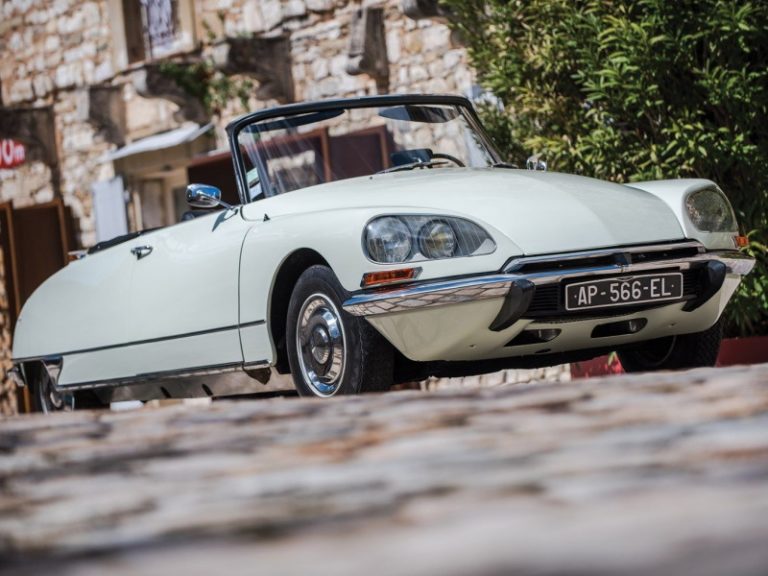
Pioneers in the motor industry from the start the Citroën brand can be called many things, but never ordinary. The futuristic Citroën DS was designed over 18 years and launched in the 1950’s. Noted for its aerodynamic, futuristic body design and innovative technology like hydropneumatic self-levelling suspension, the DS set new standards in ride quality, handling, and braking, the latter as the first mass production car equipped with disc brakes. Citroën sold 1,455,746 examples and, in September 2009, the DS was named the most beautiful car of all time by Classic & Sports Car magazine.
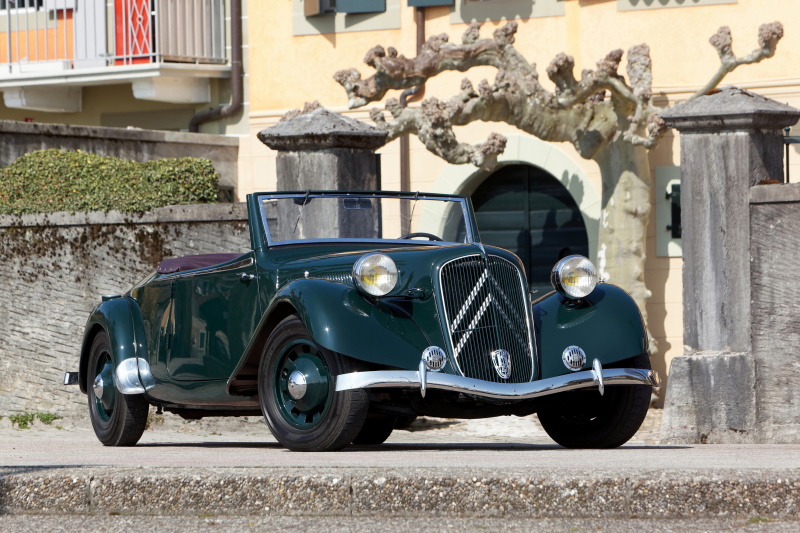
The Citroën DS’ history and pioneering tech is well documented. It sported several world firsts, including self-levelling suspension, swiveling headlights and modern disc brakes. The DS however followed another, equally impressive and pioneering Citroën, the Traction Avant.
The Traction Avant, French for front-wheel drive, was a range of mostly 4-door saloons and executive cars, with four or six-cylinder engines, produced from 1934 to 1957. The Traction Avant pioneered mass-production of three revolutionary innovations widely adopted since, and still used today: front-wheel drive, four-wheel independent suspension, and the use of a crash resistant,unitary, monocoque body. Additionally, the car was one of the earliest mass-production adopters of rack and pinion steering.
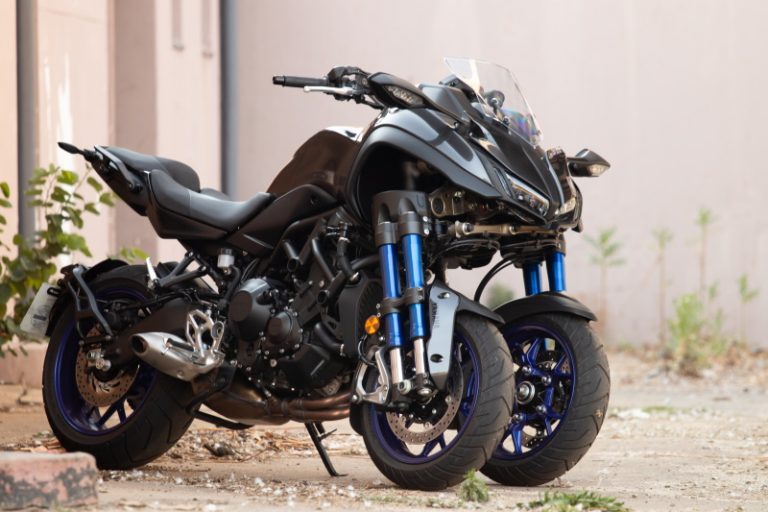
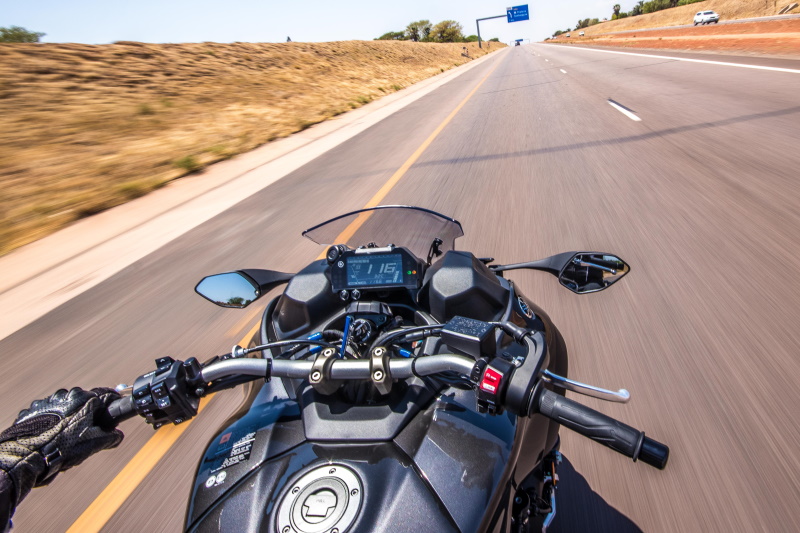
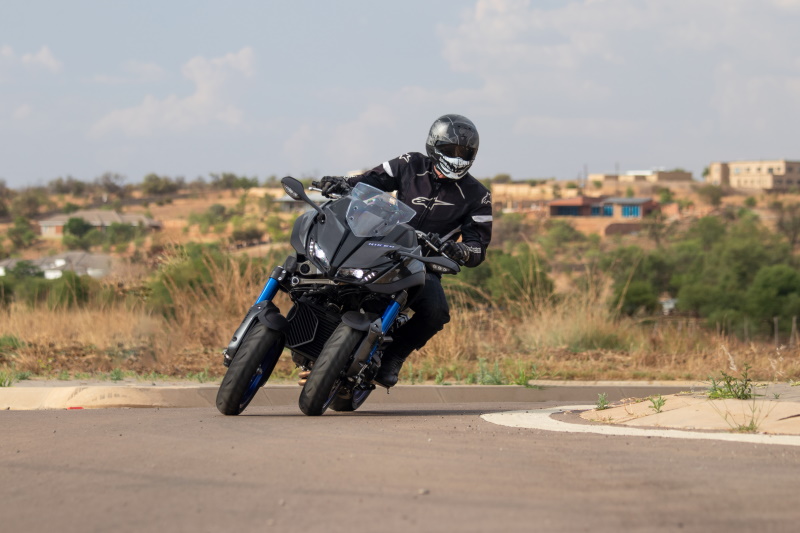
In Europe, the sight of a scooter with two front wheels is not that odd. There are quite a number of manufacturers who have adopted that design and one of them is Yamaha. They produced the 125 cc Tricity that was available in South Africa not so long ago. Now Yamaha has gone and stuck two front wheels on the MT-09 and the result is the radical Yamaha Niken.
The bike has the same three-cylinder 847 cc engine from the MT-09, but I only was asked once what size the engine is. Everywhere I stopped with the Niken, a crowd soon gathered and I had to field questions about the complicated front-end setup. Everyone wanted to know how the Niken handles and rides with it. The answer is simple – just like a regular motorcycle!
Looking at the front, the Niken has four fork legs, two on each side. The leading forks are inert and add rigidity and stability to the front. The trailing set handles the damping. At the top there are two parallelogram arms, attached to the two steering heads. This means that the wheels lean in unison, but they work independently to absorb bumps. The front wheels are only 15” units and each one has a 298 mm disc. The rear of the Niken gets a wider tyre and larger disc at the back to make up for the smaller front discs.
Sitting on the Niken, you are fully aware of the large shroud over the front suspension. At first it felt ungainly, but when I realised that the Niken is only about 4 cm wider than the MT-09, my trepidation about lane-splitting disappeared. My mind was also playing tricks on me. I wanted the Niken to feel different when riding and yet I was only aware of the extra wheel at low speeds. The engine pulls strongly and the quick-shifter worked a treat, provided I was very aggressive with the throttle.
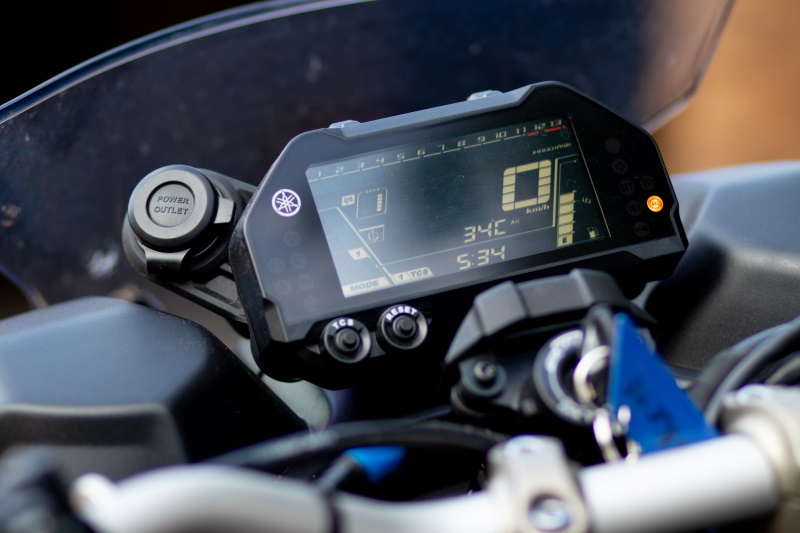
Where the Niken really shines is with stability. You would think that the two front wheels will make the bike planted through corners, and you would be absolutely right. But that is not all. Riding in a serious crosswind, I was surprised at how stable the Niken is. The Niken is fitted with cruise-control and will therefore make a very good sports-tourer. I will just fit a taller windscreen as the standard one is not very effective.
Say what you want about the Niken, but it is an amazing motorcycle that you have to ride to appreciate and understand.
And the price? The Niken would set you back around R275 000.
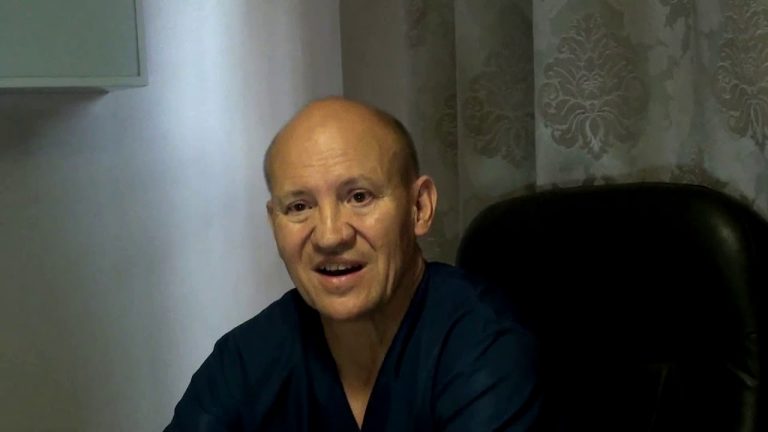
Prof. Anton was scheduled to talk to the community at PvR community church on Wed. 19 March 2020 but that had to be cancelled. Due to the cancellation we recorded an interview with Prof. Anton to get a better understanding of the pandemic, how it spreads and how to best avoid contracting the disease. It was a very insightful talk and we thank him for making time in his schedule for us, and arming us with knowledge.NB! To anyone viewing this Video
Please note that I shared the video as a public service to assist the effort of informing the community about Covid-19. I am not a health worker and is not in any position to give any advice other than what has been presented in the video by Prof. Anton Stoltz. I will thus not engage personally in any debate.The Health Department’s emergency hotline number is 0800 029 999 – (Health Department’s Website)
or
Whatsapp support line for Covid-19 is 0600 123 456Prof. Anton Stoltz
UP ISMC Management Committee member
Researcher
Head of Infectious Diseases; Steve Biko Academic Hospital
Department: Internal Medicinehttps://www.youtube.com/channel/UCz_7uv7zmtKykIHQw0wCV6Q
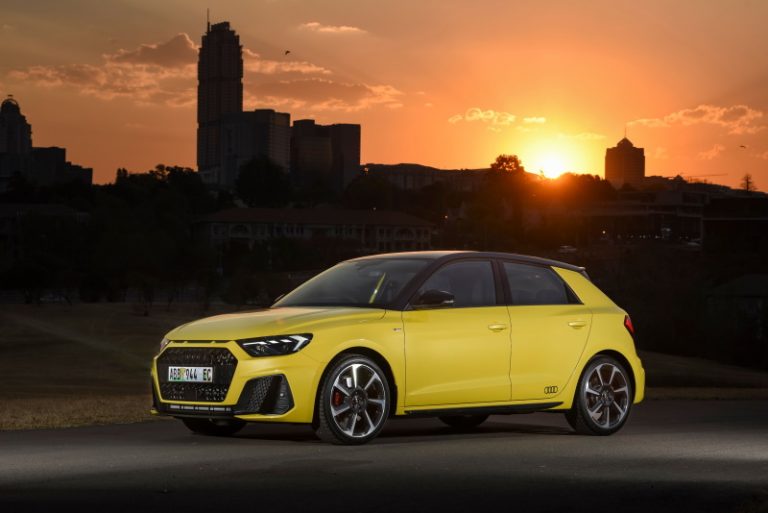
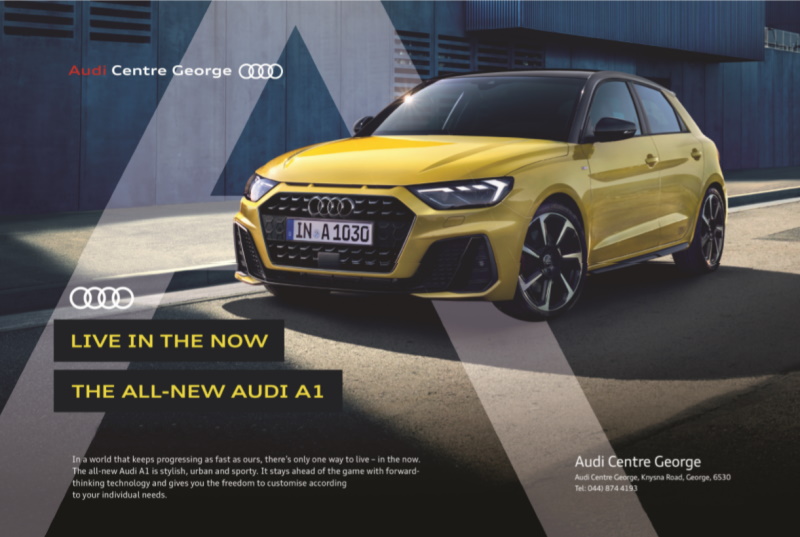
In 2011 het Audi tot die marksegment vir intreevlak-luikrugmotors toegetree met die bekendstelling van die A1, waarvan 13 700 sedertdien in Suid-Afrika verkoop is. Nou is die tweede geslag van Audi se intreevlak-modelreeks in September 2019 in Suid-Afrika bekendgestel en hierdie keer is net een bakvorm, die “Sportback” met vyf deure, beskikbaar. Die A1 driedeur-bakvorm is aan die mark onttrek.
Die nuwe A1 Sportback is opvallend langer as sy voorganger; die nuweling se lengte van 4,03 meter is 56 mm langer as voorheen. Terselfdertyd is sy wydte van 1,74 meter byna dieselfde as die vorige model.
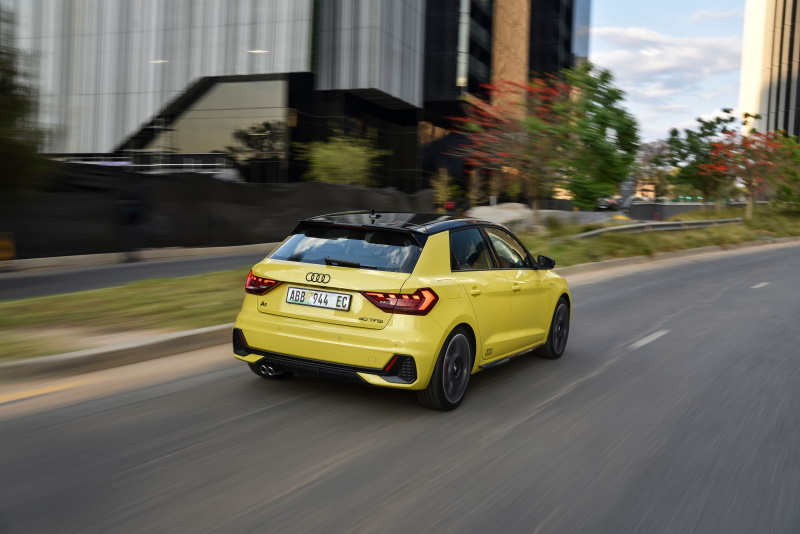
Die drie luguitlate aan die voorkant van die enjinkap net onder die sierrooster is ‘n huldeblyk aan die legendariese Sport quattro-tydrenmotor van 1984. Aan die kant is die ooreenkomste met die Sport quattro ook duidelik sigbaar, veral met die breë C-pilaar. Daar is twee kontrasterende kleure vir die dak beskikbaar, naamlik swart en grys en die kontraslyn eindig bokant die C-pilaar. Die 35 en 45 TFSI-modelle spog met volle ligdiode-kopligte met kenmerkende dagrylig-grafika. Die agterligte in twee dele het ‘n kenmerkende en onmiskenbare voorkoms. Tien bakkleure is vir die A1 Sportback beskikbaar.
Die reeks word bekendgestel met ‘n spesiale model wat as Edition #1 bekendstaan. Hierdie model word in geel afgewerk en beeld die A1 se ontwerprigting met verskeie kontraste uit. Die groot 18-duim allooiwiele met die swart dak en buitespieëls gee dié model ‘n unieke voorkoms en die ligdiode-kop- en agterligte is donker getint soos in die Sport quattro. Die Audi-kenteken en modelbenamings is in swart afgewerk.
Daar is drie spesifikasievlakke, naamlik Standard, Advanced en S-Line, en veral die S-Line beklemtoon sy sportiewe karakter. Dié model spog met groter luguitlate, bykomende syskorte, en ‘n groter agterste drukvlerk. Die 45 TFSI word ook met twee sportiewe uitlaatpype toegerus. Daarby is ander stileringspakkette ook beskikbaar, onder meer die Black Styling en Contrast-pakkette. Black Styling beskik onder meer oor ‘n sierrooster, voorste luguitlaatraam, agterste lugverdeler en agterste druvlerk, alles in hoëglans-swart. Die Contrast-pakket bevat ‘n dak, buitespieëls, onderste drukvinafwerking en syskorte in swart of grys.
Die binnekant is só ontwerp dat dit vir die voornemende koper maklik is om dit volgens persoonlike voorkeur aan te pas. Die A1 Sportback het ‘n digitale instrumentepaneel as standaardtoerusting en al die kontroles vir die MMI-raakpaneel is op die bestuurder gefokus; dit beklemtoon die spesiale karakter van die stuurkajuit. Selfs die intreemodelle het die digitale instrumentepaneel met ‘n skerm van 8,8 duim, as standaardtoerusting. Die opsionele virtuele stuurkajuit bied ‘n groter verskeidenheid funksies, onder meer navigasiekaarte en grafika van sommige bestuurshulpmiddels in die bestuurder se direkte gesigsveld. Die navigasiestelsel wat teen ekstra koste beskikbaar is, bied ‘n skerm van 10,1 duim; dit skakel in by die paneel in die middelkonsole met ‘n glasafwerking. “Android Auto” en “Apple Car Play”-versoening is opsioneel beskikbaar en bied twee USB-kragpunte. Nog ‘n opsionele ekstra is ‘n koordlose selfoonlaaier. Vir musiekliefhebbers is ‘n Bang & Olufsen-klankstelsel met elf luidsprekers beskikbaar.
Vir diegene wat hul motor só tegnologies gevorderd moontlik wil maak, is ‘n tegnologiepakket wat die slimfoonversoening, die klankstelsel en die virtuele stuurkajuit insluit, teen ‘n verdure R 9 900 beskikbaar.
Daar is drie verskillende enjinkeuses beskikbaar. Die 30 TFSI word toegerus met ‘n turbo-aangejaagde eenliterenjin met drie silinders wat ‘n kraglewering van 85 kW bied en ’n wringkrag van 200 Nm tussen 2 000 en 3 500 opm opwek.
Die 35 TSFI se viersilinderenjin van 1,5 liter lewer 110 kW en ‘n wringkrag van 250 Nm tussen 1 500 en 3 500 opm.
Die topmodel is die 40 TFSI, wat net in ‘n S-Line beskikbaar is. Hierdie model se viersilinderenjin van twee liter lewer 147 kW en ‘n wringkrag van 320 Nm tussen 1 500 en 4 400 opm. Die 30 en 35 word toegerus met ‘n dubbelkoppelaar S-Tronic-ratkas met sewe gange en die 45 met ‘n S Tronic-ratkas met ses gange.
Die 30 en 35 is opsioneel met ‘n Dynamic-pakket, wat sportvering, rooi remknypers, groter remskywe en verskillende bestuursmodusse. Hierdie pakket is standaardtoerusting vir die 45 TFSI. Verskillende tipes allooiwiele, wat in grootte wissel van 15 tot 18 duim, is beskikbaar.
Die pryse van die verskillende modelle in die A1-reeks, wat ‘n Audi Freeway-plan van vyf jaar of 100 000km insluit, lyk soos volg;
Ons kan dit nie genoeg beklemtoon nie: die SUV mark is ʼn ontluikende mark. Daar word konstant na nuwe nismarkte gesoek; selfs ʼn nismark in ʼn nismark! Dis terselfdetyd wonderlik én vreesaanjaend, maar feit bly staan dat vervaardigers nie op hulle laat wag nie. Lexus is een van hierdie vervaardigers wie se fokus die laaste paar jaar grootliks na SUVs geswaai het. Nie minder as vier model-reekse beslaan Lexus se SUV stal; en elke reeks bied iets vir ʼn spesifieke koper. Die LX is vir die rykes, terwyl die NX die intree-reeks tot Lexus se SUVs is. Wel, dis totdat die UX geland het.
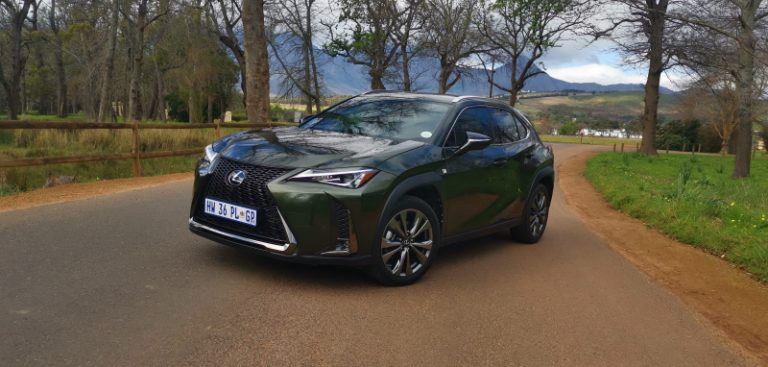
Die UX word as ʼn SUV vir die hedendaagse stadsjapie bemark en is dan heel geskik vir die’s van ons wat bietjie uit wil staan. Hierdie SUV spog met ʼn ontwerp wat hom half as ʼn luikrûg vermom; ongetwyfeld ʼn resep wat die regte geluide maak en aandag trek.
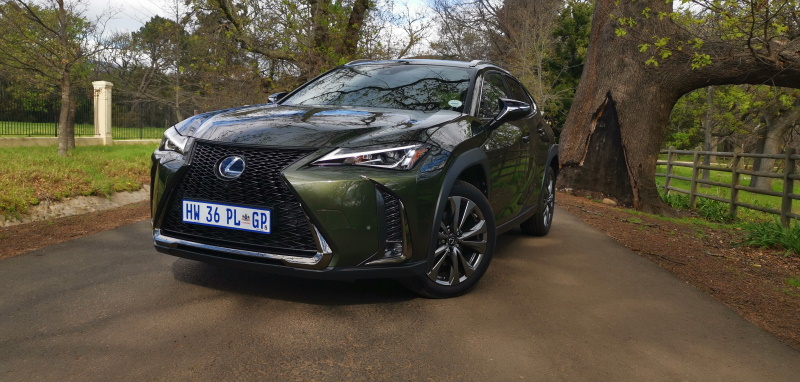
Hierdie UX200 F-Sport is die top-model in die drie-model reeks en deel die kar dieselfde enjin en ratkas as die EX model. Maar waar die F-Sport homself onderskei is met sy ontwerp. Die SUV spog met ‘F-Sport’ kentekens, ʼn chroom strook wat om die sierrooster hardloop, en netjiese 18-duim wiele. Binne word alles ʼn stap verder geneem is die eerste ontmoeting daardie rooi leer sitplekke. Teenoor die groen van ons toetsmodel, skep die rooi binneruim ʼn lekker kontras. Wanneer mens in die voorste sitplekke klim, skuif dit vorentoe tot in die laaste gestoorde posisie. Met die uitklim skuif dit terug, alles om verbruiklikheid te vergemaklik. Daar is darem ʼn laairuim van 440L, so mens kan jou familie én hul bagasie inlaai vir ʼn naweek weg. Verder spog die UX200 F-Sport met voorste sitplekke wat kan verkoel en verhit, aanpasbare spoedbeheer, satelliet navigasie, stembeheer, en agt lugsakke. Die lysie is nog langer…
Die F-Sport se natuurlik-geaspireerde enjin lewer kragvlakke van 126kW en 205Nm. Verrigting sal nie die teer onder jou voet smelt nie, maar die SUV tel lekker spoed op en hardloop dit met ʼn versekerheid op die lang pad. Deur die draaie voel dit geplant en word bakrol baie goed tot ʼn minimum beperk. Lexus het hul deel gedoen om te sorg dat die UX200 F-Sport se ritgehalte aan daardie kenmerkende Lexus eienskappe voldoen, en dit wys.
Teen R751 100 is die UX200 F-Sport nie goedkoop nie, maar dis ‘n premium produk en die algehele pakket sal jou die kop laat knik. Die teikengehoor sal die SUV waardeer vir wat dit is en sal hul tyd agter die stuurwiel geniet. Die UX is ʼn mooi wa en beslis gepas vir lewe in die stad.
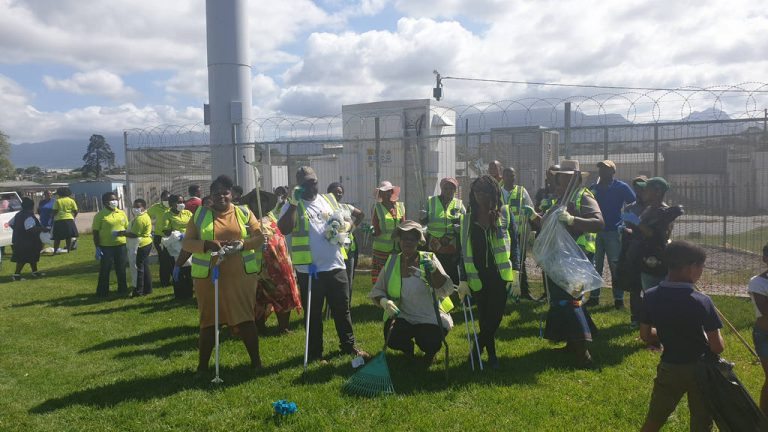
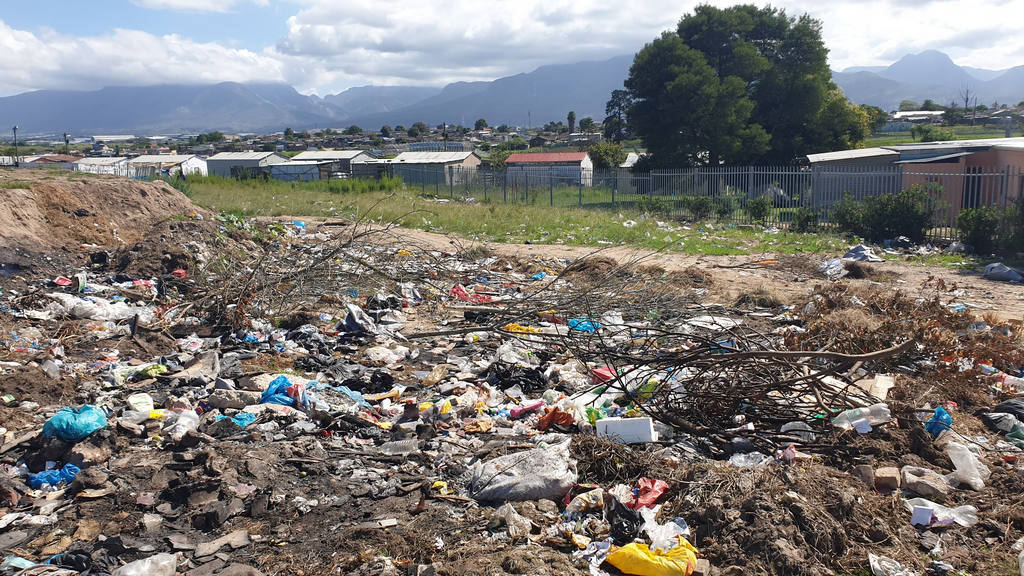
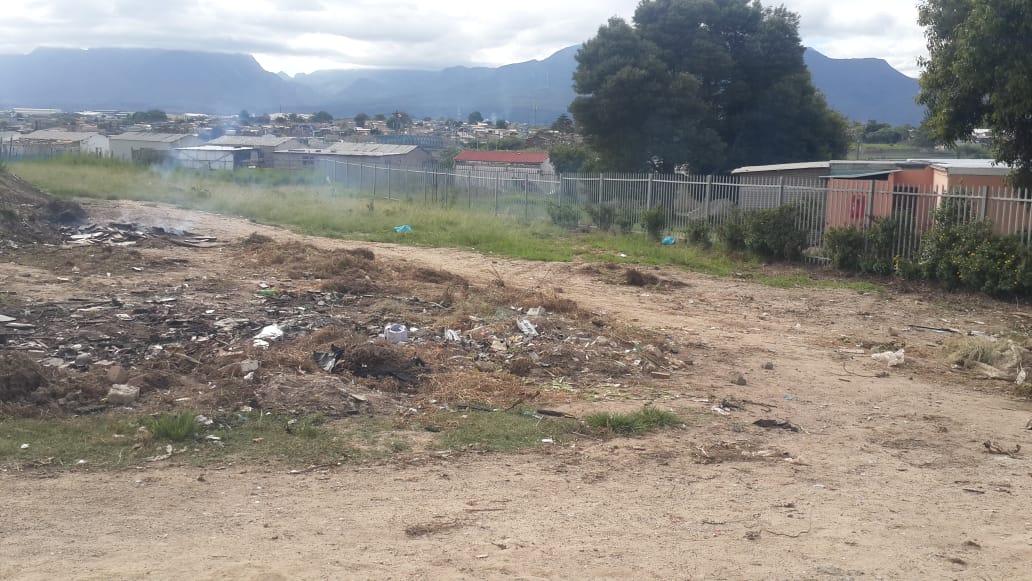
The community at Block 4 in Zone 9 in Thembalethu decided that the garbage has become a safety and health concern and said enough is enough. They are tackling the litter problem in there area head-on.Before clean-upAfter clean-upToday I witnessed a community coming together and clean up an area next to a local creche that has become a dumping area for all sorts of waste. Under the leadership of Apostle Jackson Moyekwa and the assistance of Councillor Faith Mdaka about 60 men and women started cleaning the area.The group from Thembalethu is challenging other areas to start cleaning up their areas.












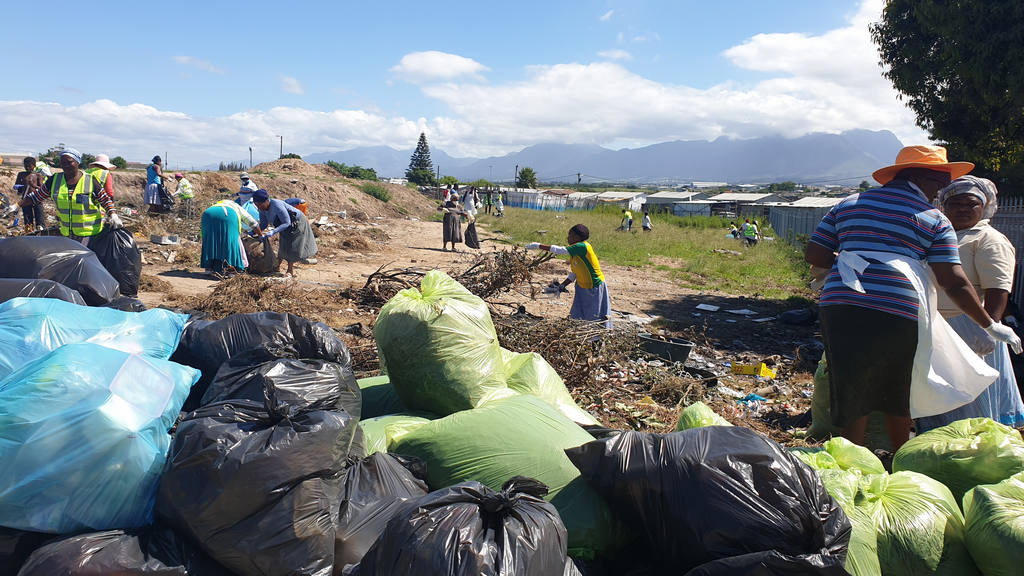 The group from Thembalethu is challenging other areas to start cleaning up their areas.