We Don’t Need Coding in Education

You may have seen people typing furiously with furrowed brows staring at their laptop screen and thought, “What a waste of life.” And sometimes, you’re right. Using a computer is the same as using a hammer. Well, not really, but in one way it certainly is:

Both computers and hammers can be of amazing help… or for utter destruction (which can be fun too)

So, then, what is coding and why should we use it in education? Well, coding is simply telling a computer to do something. The most exciting part is that, often, it does what we want it to. Coding can help us to leverage the power of computers to not only access information, but to create and wield it to do amazing things.

Code has connected people from all over the world.

Woman using mobile and smiling
(https://unsplash.com/@meghanschiereck)

Code has helped millions of people make their thinking visible.

And that’s what we’re after. We don’t want our children to be computers who can just output information. We want our children to be smart. We want them to be able to solve problems that haven’t even been created, yet.
Solving problems that aren’t even around yet is the kind of skill that coding fosters.
Do you need coding to do get these 21st Century Skills?No! Of course not, but it does make it a lot easier. In the same way that you can build a house without a hammer, it’s possible.It’s just not the smartest option.So, then, the conclusion is:
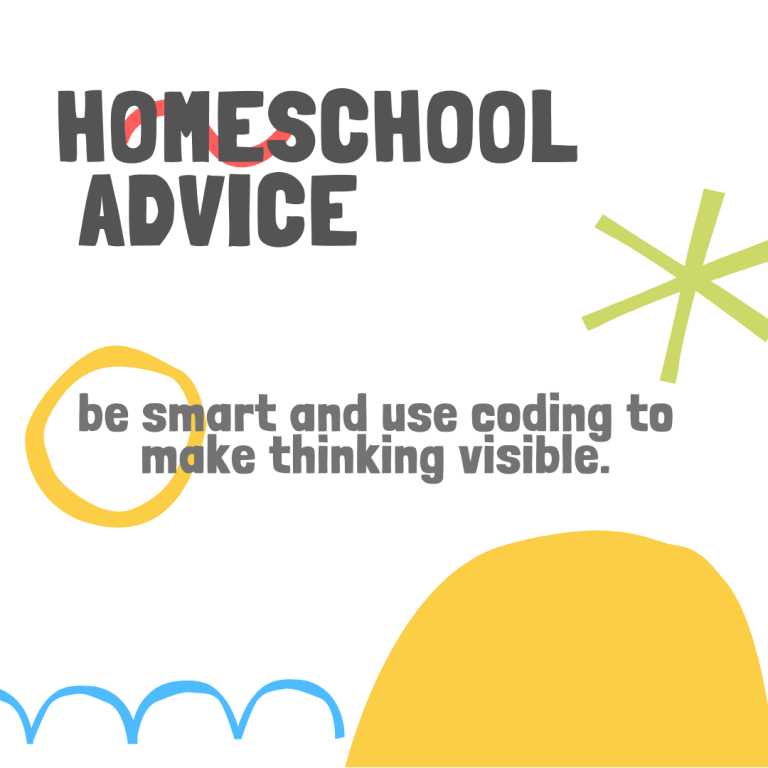
Be smart and use coding to make thinking visible
Whether you’re a home school parent or a class teacher, there are online courses and robotics starter kits (with a full online course) to get you up and running in this essential movement in education.Otherwise, be sure to check out the homeCode website, the homeCode educational technology shop for more, or just email me directly at chris@homecode.co.za if you want some advice or just to say hi.Until next time, keep exploring!Christopher(Qualified teacher with 10 years+ experience and founder of homeCode)

Shadows within our Careers

Our Careers are probably one of the biggest decisions we will need to make in our lifetime. This year 2020 has been quite a unique and extraordinary one. And for all of us! Students needed to start doing school from home or didn’t have school at all. Parents needed to figure out how to work and have the kids at home. And students’ exams and test times have also been quite of a challenge! As a Tutor, giving extra classes, I barely kept track of all the schedules for schools and class times myself. I can only imagine how challenging it must have been for teachers, parents and other educational practitioners.  But regardless of all of these challenges, students still need to make choices regarding next year:
  • What subjects will they choose?
  • Where will they go and study?
  • What is the direction of their lives on a long-term basis?
Speaking from the perspective of a Career Coach, there is a lot of tough decisions to be made. While working with students these past few months, it has been obvious there is a lot of confusion. Students find it difficult to make a decision as to what to do with their lives. I’ve been specifically working with a Grade 11 student these last few weeks and just the idea of making a Career decision of what to go and study is enough to make her anxious. One doesn’t realise the weight of the decision that these young people need to make! The scope of Career options is so BIG! And unknown.For example, what comes to mind when you think about Career opportunities in Management?  Maybe jot down a few ideas and options you can think of. Perhaps you have someone within your family that is in Management. Or maybe a friend or someone you are familiar with. Or maybe you find yourself within a Management position. But I can probably bet on it that you haven’t thought of it all. Perhaps your list is longer if you Googled the answer!So then – is Hospitality management on your list? Manager of a Store? Restaurant? Project Manager? Field Manager? And the list goes on.So imagine how this must be for a young adult, not knowing the world of work and now needing to decide what Career pursuits he or she wants to make. What I am quite serious about when advising my clients as to how to go about to make a decision about their career, I always advise them to do Job Shadowing. Because by being within the work environment gives you the greatest scope as to what to expect from that industry. An alternative, of course, is to start conversations within people in different job setups. Especially in job setups that you are interested in to pursue. The more you speak, the more you’ll learn and the easier it will be to make a decision!It is not easy but having someone coming alongside you can make it so much better.Should you need additional advice or coaching in order to make a career decision, feel free to make contact with Mastering It:Maryke Jooste @ 072 372 4353 / maryke@masteringit.co.za / www.masteringit.co.za You can also follow us on Social media: Facebook & Instagram.

Also, keep a lookout for our FREE Career coaching sessions happening at Kip McGrath next week! 13 & 15 October. Everyone welcome!

Looking forward to connecting with you!

Be reminded of our previous article in Love George – about Aptitude tests and the benefits of it.

Lock down uitdagings vir Ouers – 3

Mastering It en Mariska Knoetze het dit goed gevind om tydens die lock down, wat reeds Maart die jaar begin het, ‘n Video reeks aan ouers beskikbaar te maak wat verskeie relevante kwessies rondom Lock down aanspreek. In hierdie onderstaande artikel deel Mariska meer oor: A. Rekenaar toegang, data toegang, printers en ink, papier om skoolwerk te doen, en B. Hoe berei ek my kind voor vir die nuwe fase in sy lewe en skoolloopbaan na COVID19?

Ek is Mariska Knoetze.  Ek is ‘n voltydse onderwyseres, ‘n beroepskonsultant en ‘n narratiewe berader.  Maar ek is ook “n Enkelmamma van 6 jarige tweeling seuns.  Ek bly by my ouers en ons maak gelukkig ‘n “mean team” om die dinge aan die gang te hou.Ek dink dit is ‘n voorreg om uit ‘n juffrou en mamma se perspektief te deel wat ons alles saam in hierdie huidige situasie beleef, vrae en kommernisse wat ons het.  Daar is baie waarde daarin om te gesels oor die vrae wat ons saam het.Ek wil wel net noem dat ek ‘n meningspyling uitgestuur het om die inhoud van hierdie werkswinkel te kon kry.  Ek is nie ‘n Genie in a Bottle nie.  Ek het nie antwoorde en oplossings vir alles nie. Maar graag wil ek jou bemoedig en minder hulpeloos te laat voel.
  • Kommernisse en uitdagings (realiteite en feite).
A. Rekenaar toegang, data toegang, printers en ink, papier om skoolwerk te doenDaar is onsettend baie huishoudings wat nie rekenaars, printers, ink en data het om skoolwerk wat deur die skool gegee word, af te laai of te doen nie.Kom in kontak met ander ouers van jou kind se skool.  As dit moontlik is, betaal die ouer vir die werk wat hy/sy vir jou kind print om te doen.  Laat die klasmaats met mekaar kommunikeer op verskillende maniere (bv. Whatsapp ens). Gaan gerus ook na goeie ou Google en search dan. Kids can keep learning even during a lockdown. Here’s howwww.bizcommunity.comHierdie website gee reeds ‘n klom apps en websites wat verniet is.  Mense vra jou gemeenskap, bure, vriende, om jou te help met basiese data om hierdie elektroniese inligting te bekom.  Nou is nie ‘n tyd vir trots nie, steek jou trots in jou sak en vra.B. Hoe berei ek my kind voor vir die nuwe fase in sy lewe en skoolloopbaan na COVID19Ek dink hier moet ons blatant eerlik wees met mekaar dat ons totaal en al onseker is oor hoe die res van hierdie akademiese jaar gaan uitspeel.  As onderwyseres het ons steeds nie vaste datums van terug keer vir onderrig nie.  Om nie eers te praat van die veiligheid en risikos nie.Ek kan jou wel waarborg dat jou kind sy pêlle mis. Onthou ons kinders beleef dieselfde frustrasies as ons in lockdown.  Hulle kan ook nie elke dag net smile en opgeruimd wees nie.  So neem in gedagte dat jou kind ook ‘n afdag of 4 sal hê.  Hy/sy stres ook oor allerhande dinge wat ouderdoms gepas is.Tog moet ek uit ervaring vir jou weereens noem dat ons onderskat hoe aanpasbaar kinders is.  Hulle vind baie vinniger ‘n nuwe normaal as ons.Moenie die kar voor die perde opsaal nie. Wanneer ons nuwe uitdagings beleef gaan ons dit kan noem by ‘n naam.  Met die identifisering van die uitdaging sal ons oplossings vind.  Ons gaan hierdie Olifant saam eet happie-vir-happie.Ons as onderwysers is gemaak om jou kind te help en te leer. Elke skool sal ‘n goedgekeurde werkbare opvang plan hê om leerders reg te kry.  So haal asem en doen wat jy vandag kan doen.________________________________________________________________________Ons video reeks is ook op Youtube beskikbaar.Sou julle 1-tot-1 sessies wou boek met myself, Maryke Jooste, of Mariska Knoetze, vir enige tipe coaching of ander dienste wat Mastering It bied, is julle welkom om kontak te maak – maryke@masteringit.co.za. Besoek ons webwerf gerus – www.masteringit.co.za Ons hoor graag van julle! Volg ons gerus op Facebook & Instagram ook!

Daily Disciplines for Effortless Success.

Here is something from Jack Canfield of “Chicken Soup for the Soul” and “The Success Principles” fame, on Daily Disciplines for Effortless Success.“Jack, what daily practices have played the biggest role in helping you achieve your level of success?”This is one of the most frequently asked questions I get from almost everyone I meet – from my students, to top CEOs, to the great Oprah Winfrey, who asked me this very question before I appeared on her show.I find that the most powerful actions I take every day are those that help me shift my attitude, cultivate a success mindset, and keep my most ambitious goals and dreams top of mind so I stay on target and achieve them faster.Here are the six daily practices I use to stay inspired, keep my energy and confidence high, and accomplish more with greater joy and ease. Add them to your daily routine and I guarantee you will experience similarly great results.

1. Visualize your goals and intentions

As soon as you wake up in the morning, take five or so minutes to focus your mind on your desires, goals, and intentions. Sit in a comfortable position, close your eyes and visualize what your life will look like once you accomplished your biggest goals and dreams.
  • How will you spend your days?
  • Who will you spend them with, and where?
Spend 30 seconds to a minute on each of your core goals and desires. Focus on imagining how you will FEEL when you have manifested your ideal life. The intensity of this feeling will fuel the intensity of the results you will get.Once you have that energized feeling of achievement running through you, visualize your day ahead going exactly as planned and moving you closer to your goals. This will motivate you to stay on target and accomplish so much more during your day.

2. Use external images to keep you focused

Another powerful way to keep your biggest, most ambitious goals top of mind is by surrounding yourself with visual images of the experiences you want to create in your life. There are many tools you can use for this, but my favourite is creating a vision board.Cut out pictures of the things you wish to own (such as your ideal car or home) and pictures that represent the experiences you want to have (the perfect relationship, your ideal job, optimal health, being at your ideal weight, more joy, inner peace or balance in your life) to remind yourself of the life you’re striving to create. Put these images somewhere where you will see them every day—on the mirror, the refrigerator, or in a vision book.For even greater impact, combine your pictures with words that reflect your desired outcome, such as abundance, romance, fun, or vitality.

3. Release negative thoughts

As you go through your day, you might notice yourself thinking negative thoughts such as: “I could never afford that,” “there’s no way I’ll ever get that,” or “who am I kidding?” These limiting beliefs are the result of negative programming from your childhood and no longer serve you. If such thoughts arise in your mind, as you become aware of them, simply let them go. Don’t fight or argue with the thought; just release it.“From me:  The Sedona Release Method is a great tool for letting go of unwanted thoughts and feelings right now, on the spot, gone!  Let me know if you would like a 1-pager on this process.”

4. Think a better-feeling thought

When you notice yourself reacting to a person or situation with disappointment, resentment, frustration, or anger, consciously shift your focus to thoughts that make you feel a more positive emotion. Your thoughts create your feelings and your feelings create your circumstances – so the best way to change your experience is by focusing on thoughts that raise your vibration and allow you to become a vibrational match for the experiences you want to attract into your life.For example, if you want to be happier, focus your thoughts on things that bring you joy – such as your lover, your best friend, your grandchildren, or your favourite vacation spot – and your actions on the things you love to do, such as petting your cat, working in your garden, or listening to your favourite music. Where attention goes, energy flows.

5. Cultivate an “attitude of gratitude”

This is a big one – it’s absolutely critical to take some time every day to focus on what you are grateful for! The more you feel gratitude, the more you will have in your life to feel grateful for. It’s that simple.All you have to do is spend a few minutes every day focusing on all of the things in your life that you are grateful for—your health, your children, your job, the nice weather, electricity, running water, a nice stereo system, your flower garden, your pets, your friends.Some people do their daily gratitude practice in the morning, either before or after they visualize their desires. Others prefer to do it in the evening. You may wish to carry a “gratitude rock” in your pocket – and each time you feel it, remember to feel gratitude for all the good things you are experiencing at that moment. Or you could take a few minutes to record all the positive things in your life in a gratitude journal. No matter what your situation, there are always things to be grateful for – and the more mindful you become of them, the richer your life will be.

6. Acknowledge what’s working

If you start to see something changed for the better, acknowledge that it’s happening and appreciate it. When you find the perfect parking space, acknowledge it. When you get the table you want in the restaurant, acknowledge it. When you receive unexpected income, acknowledge it. When you meet someone who can help you reach your goal, acknowledge that the universe has your back and is sending you who and what you need to achieve your dreams. The more you acknowledge that it’s working, the more it will work. It’s that simple.When you make a commitment to taking these simple actions each day, you will move forward with confidence, in the direction of your dreams. Believe that they are not only possible but that they are already in progress – and they will be.

JOHN BROOME MIND POWER mobile: +(27) 82 920 5231 email: info@johnbroome.co.za web: https://www.johnbroome.co.za https://www.linkedin.com/in/john-broome-71903056 Wilderness, Western Cape, 6560

Ouers se lock down uitdagings – 2

Mastering It en Mariska Knoetze het dit goed gevind om tydens die lock down, wat reeds Maart die jaar begin het, ‘n Video reeks aan ouers beskikbaar te maak wat verskeie relevante kwessies rondom Lock down aanspreek. In hierdie onderstaande artikel deel Mariska meer oor: A. Doen ek regte dinge as ouer?, en B. Wat as ek terug gaan werk toe en niemand kan na my kinders kyk nie?

Ek is Mariska Knoetze.  Ek is ‘n voltydse onderwyseres, ‘n beroepskonsultant en ‘n narratiewe berader.  Maar ek is ook “n Enkelmamma van 6 jarige tweeling seuns.  Ek bly by my ouers en ons maak gelukkig ‘n “mean team” om die dinge aan die gang te hou.Ek dink dit is ‘n voorreg om uit ‘n juffrou en mamma se perspektief te deel wat ons alles saam in hierdie huidige situasie beleef, vrae en kommernisse wat ons het.  Daar is baie waarde daarin om te gesels oor die vrae wat ons saam het.Ek wil wel net noem dat ek ‘n meningspyling uitgestuur het om die inhoud van hierdie werkswinkel te kon kry.  Ek is nie ‘n Genie in a Bottle nie.  Ek het nie antwoorde en oplossings vir alles nie. Maar graag wil ek jou bemoedig en minder hulpeloos te laat voel.
  • Kommernisse en uitdagings (realiteite en feite).
A. Doen ek die regte ding as ouer.  Ek is nie ‘n onderwyser nie. Wat as ek my kind verkeerd leer. Berei ek my kind reg voor vir die volgende graad of fase?As onderwyseres kan ek jou verseker dat jou “input” as ouer baie keer onderskat word.Of jy dit reg of verkeerd doen is nie soseer die vraag nie. Die blote feit dat jy wel bereid is om jou kind te help en die leerwerk van die skool te doen is van onskatbare waarde.Jy hoef nie ‘n onderwyser te wees om jou kind te help met skoolwerk nie.  Ek weet ons as onderwysers is onder andere goeie kommunikeerders.  So die instruksies wat saam met die werk kom behoort duidelik genoeg te wees om die taak uit te voer.Jy kan nie jou kind verkeerd leer nie.  Ons almal het op verskillende manière skoolwerk geleer.  Die fondasie wat in elkgeval geskep word is wat nodig is vir verdere vordering.Wanneer jy aan jou kind se selfbeeld, selfvertroue en menswees werk en daarin belê, dan berei jy reeds jou kind voor vir volgende jaar.  Wanneer ‘n kind ‘n goeie selfbeeld het en positief voel oor hom/haar self, kan hulle makliker die lewe se uitdagings aanpak.  Ons moet ook onthou kinders is BAIE MEER aanpasbaar as ons.  Hulle verras jou gewoonlik.B. Wat as ek terug gaan werk toe en niemand kan na my kinders kyk nie?Baie oumas en oupas bly in ander provinsies en/of in ‘n aftree oord of ouetehuis.  Daarom kan hulle nie na ons kinders kyk nie.  Ons moet terug gaan werk toe want ons moet ons gesin aan die lewe hou. Dit is ongelukkig die harde feite en realiteite van die omstandighede waarin ons, onsself bevind.Ek weet self nie wat ouers doen wat klein babatjies het nie, en hulle nie aan die buitekant wil blootstele nie.“Worrying is a form of thinking about the future, defined as thinking about future events in a way that leaves you feeling anxious or apprehensive.” Ek kan wel voorstel dat die wat dit kan bekostig, om ‘n onderwys student of ‘n kleuterskool juffrou (wat ook nog nie mag werk nie) in te huur om na jou kinders en hulle skoolwerk om te sien.  Daar is baie onderwys student wat ook nou werk soek en niks het om te doen nie.Indien jy nie hierdie luuksheid het om iemand te betaal om na jou kinders te kyk nie is my eie mening dat werkgewers ‘n plan moet maak om julle as werknemers te help om jou kind in ‘n veilige omgewing (dalk by die werk) te akkommodeer.  Ons is almal in ‘n abnormale tyd wat vra vir abnormale oplossings. Dink uit die boks en maak voorstelle. Iemand wag dalk net vir jou oplossing. So PRAAT.  Niks is nou normaal nie en gaan vir ‘n hele ruk nie normaal wees nie.  Desperate times call for desperate measures.  Dis net my eie opinie dat werkgewers hierdie uitdaging moet verstaan en help waar hulle kan.Ek is ook seker dat die verskeie departemente hierdie saak sal aanspreek.  Jy kan ook by jou Unie hierdie kommernis aanmeld.  Ons as Onderwysers kon by die SAOU ook ons mening as ouer lig oor die kommernis wat ons het indien skole weer begin maar jou kind se graad nog nie begin nie.  Dus is die SAOU bewus hiervan.________________________________________________________________________Ons video reeks is ook op Youtube beskikbaar.Sou julle 1-tot-1 sessies wou boek met myself, Maryke Jooste, of Mariska Knoetze, vir enige tipe coaching of ander dienste wat Mastering It bied, is julle welkom om kontak te maak – maryke@masteringit.co.za. Besoek ons webwerf gerus – www.masteringit.co.za Ons hoor graag van julle! Volg ons gerus op Facebook & Instagram ook!

Lockdown uitdagings vir Ouers – 1

Mastering It en Mariska Knoetze het dit goed gevind om tydens die lock down, wat reeds Maart die jaar begin het, ‘n Video reeks aan ouers beskikbaar te maak wat verskeie relevante kwessies rondom Lock down aanspreek. In hierdie onderstaande artikel deel Mariska meer oor: A. Die krag van Positiwiteit teenoor Negatiwiteit, en B. Die verskillende maniere hoe Introverte vs Ekstroverte hierdie lock down tyd hanteer (het).

Ek is Mariska Knoetze.  Ek is ‘n voltydse onderwyseres, ‘n beroepskonsultant en ‘n narratiewe berader.  Maar ek is ook “n Enkelmamma van 6 jarige tweeling seuns.  Ek bly by my ouers en ons maak gelukkig ‘n “mean team” om die dinge aan die gang te hou.Ek dink dit is ‘n voorreg om uit ‘n juffrou en mamma se perspektief te deel wat ons alles saam in hierdie huidige situasie beleef, vrae en kommernisse wat ons het.  Daar is baie waarde daarin om te gesels oor die vrae wat ons saam het.Ek wil wel net noem dat ek ‘n meningspyling uitgestuur het om die inhoud van hierdie werkswinkel te kon kry.  Ek is nie ‘n Genie in a Bottle nie.  Ek het nie antwoorde en oplossings vir alles nie. Maar graag wil ek jou bemoedig en minder hulpeloos te laat voel.
  • Kommernisse en uitdagings (realiteite en feite).
A. Goeie en slegte tye – wat is goeie tye (bespreek opinies daaroor) en wat is slegte tye (bespreek opinies daaroor)Volgens die woordeboek is positiwiteit ‘n werkwoord.  Dit is die teenwoordigheid van ‘n keuse tot jou denke.  Iets wat jy fisies moet kies en doen om die uitkoms te kan  beleef.  Dit is waarom party ouers sê hulle beleef die tyd as goed.Maar om positief te wees is makliker gesê as gedaan. Ek is bevoorreg om omring te wees met my familie wat elkeen ‘n bydra lewer tot die feit om positief te bly.  Vind iets wat jou brein op ‘n positiewe golflengte te kry.  Ek vind dit in skilderkuns, oefeninge, en stiltetyd. En om buite te wees gee vir my baie positiewe energie. Om elke dag op te staan met die wete dat ek die vorige dag reeds beplan het wat ek vandag gaan doen, help baie.  So beplan elke dag produktiewe en lekker aktiwiteite vir die volgende dag.Negatiwiteit in die woordeboek is ook ‘n werkwoord.  Dus is dit iets wat ons kies om te doen. Daarom is daar ouers wat sê die tyd is uitdagend en moeilik.Ek is self al deur my op-dae en af-dae.  Ons is net mens.  Daar is dinge wat ons negatiwiteit “trigger” en dan is dit baie moeilik om uit die “gat” uit te klim.  Daarom het ons mekaar nodig.  Die blote feit dat jy na my luister is ‘n goeie aanduiding dat jy eerder wil kies om positief te wees.B. Ek is gefrustreerd (ekstrovert) om net by die huis te wees. Mis uit (intro- en ekstroverte) op familie geleenthede, verjaarsdae, geboortes, dood.Kom ons wees eerlik met mekaar, ons kan nie ons broodjie aan alle kante gebotter kry nie.  Die tyd is nou maar vir een wat dit is.  Maar wat ons daarmee maak is ons keuse.Ekstroverte mis verseker net die feit om uit te kom en is sekerlik die afgevaardigde winkel uitstappie tegnikus.  Ekstroverte moet uit en moet met ander praat. Dit is hulle behoud en hoe hulle gesnaar is. 5 goed wat ‘n Ekstrovert kan leer by ‘n Introvert:  
  • Spending time alone is self-growth.
  • Appreciate the value of working independently. 
  • Effective listening skills. 
  • Don’t get side tracked easily. 
  • Maintain close relationships/connections.
5 goed wat ‘n Introvert kan leer by ‘n Ekstrovert:
  • Introverts can learn to make conversation like extroverts.
  • Introverts also have an opinion, speak up 
  • Introverts can learn to step outside their comfort zone. 
  • Introverts can deepen conversations. 
  • Introverts can learn to ask for help.
________________________________________________________________________Ons video reeks is ook op Youtube beskikbaar.Sou julle 1-tot-1 sessies wou boek met myself, Maryke Jooste, of Mariska Knoetze, vir enige tipe coaching of ander dienste wat Mastering It bied, is julle welkom om kontak te maak – maryke@masteringit.co.za. Besoek ons webwerf gerus – www.masteringit.co.za Ons hoor graag van julle! Volg ons gerus op Facebook & Instagram ook!

Wilderness : A History

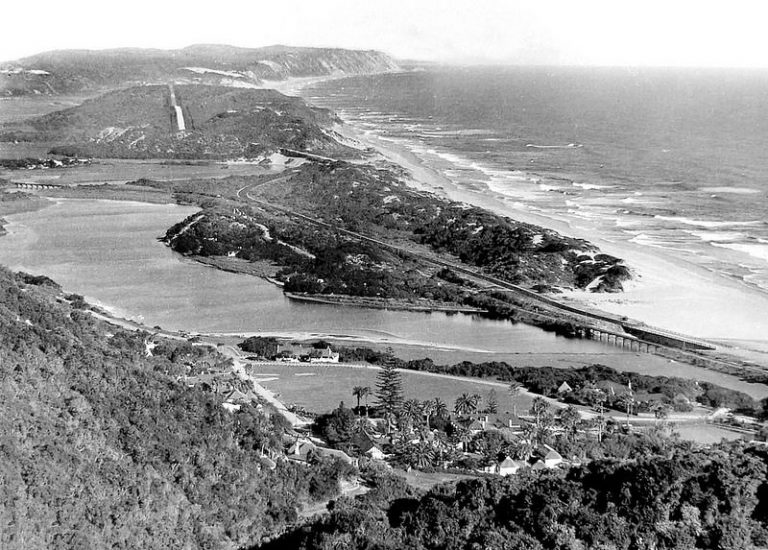
by Hugo LeggatThere is increasing evidence that the coastal plains of southern Africa were the early home to modern man, Homo sapiens. From here some would have moved out of Africa, ultimately to people the world. Others remained here and their descendants became the hunter-gatherers known to us as San or Bushmen. Figuratively, they trod lightly on the earth and the soft sands of the Wilderness soils contains little of their story but the tale is there to be read in the coastal shell middens, certain caves and the pictorial record in the rock art of the mountains. Later still, the Khoekhoe appeared with their sheep and cattle and it is they who first appear in the written record when Batholomeu Dias rounded the Cape in 1488 and, sighting land near Mossel Bay, mentioned “the many cows, watched by their herdsmen.” Even after the Dutch settlement at the Cape in 1652, it would be more than a century before settlers moved into the area which we call Wilderness. The deep gorges of the Kaaimans and Touw Rivers were always a difficult obstacle to ox wagons and it was only the building of a proper road to Knysna in the late 1860s that opened the lakes area to settlement. This is the road now known as the Seven Passes Route. Although it generally kept to the heights near the foot of the Outeniqua Mountains, it did open the forests and, more particularly, made it much easier to get wheeled traffic through the river gorges. In 1877 George Bennett of Liverpool bought land at the mouth of the Touw, built a house and laid out a farm which he named “The Wilderness”. George and Henrietta Bennett built up the farm over the next seven years and had a son and twin daughters before George died in his early thirties. It was a remote spot and Henrietta left to marry her late husband’s cousin in England. It was to be more than thirty-five years before the property again had a resident owner. Until the end of the 19th century Henrietta’s family kept an eye on the property for her, sometimes letting the farmhouse. After the end of the South African War in 1902, The Wilderness was bought by a syndicate headed by Montagu White. He did not live there himself, using his other property “Fancourt”, but he was instrumental in getting the farmhouse running as a guest house. He built White’s Road at a reasonable gradient up the hills above the lagoon and, together with the arrival of the motor car, this put the place on the map. White’s death in 1916, followed by the end of World War I two years later, brought a new beginning to The Wilderness. The property was bought by Wilderness (1921) Ltd, headed by Owen Grant. OG, as he was widely known, settled on the property and immediately set about developing it as a seaside resort with a name that was soon to be known worldwide. It is likely that the romantic legend of the foundation of The Wilderness was circulated at this time. In this story a young man meets the beautiful orphan Theresa and she, insisting on being taken away from “the hauntings of memory”, sang to him from Haydn’s Creation “..In the wilderness build me a nest, let me remain there forever at rest..”. They finally settled here after various trials, tribulations and adventures which included difficult and dangerous wagon journeys over the Outeniquas, the clearing of jungle and a wedding in which Theresa wore “an ancient bridal gown that once had graced her grandmother in the courts of France”! A great story, much better than much which fills many publicity brochures. Most who read it would never know that it was a total figment of the imagination.By the end of the 1920s, the old farm buildings had been transformed into a proper hotel, roads had been laid out, plots had been sold and houses were being built. Many of the thatched rondavels in the village date from that era.On top of all this, the railway from George to Knysna was opened in 1928 with The Wilderness as the only station on the line between George and Knysna. As early as 1932, OG completed negotiations with Union Airways ( the predecessor of SAA ) whereby he hoped that the Wilderness would receive a tremendous impetus. Arrangements were made for an inclusive rate for Wilderness Hotel visitors coming by plane. In some ways much of the basis for the future development of the area was already in place by this time, but there was one exception. Apart from the three railway bridges, there was no proper crossing on the Touw, other than the bridge on the Seven Passes Road. All motor traffic between George and Knysna still travelled on the inland route.Another World War had to be fought before the necessary machinery and finance could be directed to building the initial National Road network. By 1952 the N2 was at last opened and George and Knysna were linked by a tarred coastal road – in a sense the modern infrastructure was complete. Until the coming of the new road, the focus of the village had been towards the lagoon, where the shop, post office and petrol pumps stood at the bottom of the village green. Now all commercial activity swung round to be accessible to the highway. More significant than this was the fact that now a vast new area was opened to development. All the area known as Wilderness East began from this time, to be followed in due course by Kleinkrans and Die Duine. Fortunately, in the mid-1980s the proclamation of the Wilderness National Park placed limits on the destruction of the environment which is the greatest asset of the Wilderness.

Wilderness 100 Festival

July 2021 marks the Centenary of Wilderness and a public meeting to establish a Centenary Committee to facilitate the  festivities leading up to July next year,  took place last week with Covid-19 protocols in place. Marlene Barnardt, Ward Councilor with Dirk Wessels, Portfolio Councilor for Finance and Strategic Services and Joan Shaw, Tourism Manager shared ideas  with  the attendees. The idea of a Wilderness Centenary was initially suggested by Hugo Leggatt, well known Wildernarian to take place in 2020. The Covid-19 pandemic halted all plans in that regard and  George Tourism took the opportunity to support the centenary celebrations for 2021 as means to make up for the economic losses experienced by tourism service providers, following the impact of the the bans on domestic and international travel.Cllr Barnardt noted that a festival will not make up for all of the losses experienced by the tourism industry, but it will go a long way to continue establishing Wilderness as a  destination of choice. “I would love to see a strong focus on wellness which could provide the sustainability to lead to ongoing annual events going forward. There are so many experts in the field of wellness living in Wilderness and with the unique and incredible scenic beauty at our disposal, I could not think of a better way to encourage visitors to Wilderness to enjoy the peace and serenity that attracted the residents in the first place. Wellness tourism is a world-wide trend that has grown tremendously and post Covid-19 will certainly peak interest in a wellness experience that embraces local culture, foods and the natural assets of an area such as Wilderness. I am very excited by the enthusiastic response to the proposed celebrations and trust that ongoing sustainable events that will keep Wilderness on the map, become my legacy as ward councilor.”The concept for the centenary celebrations is to put together several events, possibly as many as 100, that take place over the next few months that lead up to July 2021.  All events that form part of the Centenary will be marketed with a Centenary logo and George Tourism will play a supporting role in terms of the marketing with the Wilderness Ratepayers Association (WRRA).  An event does not have to be a huge happening, it can be as simple as a beach clean-up, a musician at a restaurant or a wine tasting!  Organizations will be responsible for arranging their own events and these events will be coordinated by the Committee to form a part of the overall festivities.  Some of the existing events that have been suggested to form a part of the Centenary programme include: the annual SPCA Woof-a-thon; the Hoekwil Open Gardens, sailing regattas and music evenings.  Other suggestions from the floor included a Centenary Dinner, a soap box derby, beach yoga classes, an Island Lake swim and much more.  One of the highlights of the Centenary will be a launch of Hugo Leggatt’s book on the history of the area which is almost ready to go to print.Cllr Dirk Wessels highlighted that he would like to see the festivities continuing for the whole of 2021.  “The Centenary should lead to sustainable, annual events that will generate an income for local businesses and create jobs, even on a temporary basis,” said Wessels who stressed that what makes Wilderness so special is that it is unique and pristine – a rare offering  that few other regions have.The final committee consisting of volunteers was selected and which included representatives from the community and the Wilderness Ratepayers as members. Chris Boshoff, a local businessman and tourism expert has agreed to act as chair. Regular media releases will keep the public informed of events and activities.Contact either Lindi Harley on lharley@george.gov.za or 044 877 0045 or Chairman Chris Boshoff on boardwalkadmin@global.co.za

Life in Abundance with Adoption

The journey of a mother, Lindé Marais, and adoption.Since my years as a teenager in high school, I just knew that adoption would be part of my future one day. It was just something God dropped in my spirit, a little gift box to leave on the shelf until the time was right to open it. Naturally, my future husband had to know about this gift and be open to the idea to walk the journey with me. When my husband and I got engaged we talked about it and he was open to the idea of adoption as well. So, the gift was left on the little shelf in my heart until the time was right. Every new year I ask God if there is something specific He wants for us in the coming year and in 2018 I felt Him whisper into my heart that it was time to learn more about adoption. Get to know the process and read up on what the Word says about it. The more I read up on adoption the more I realized that it has always been part of God’s redemptive plan. God adopted us as His children. He did not ask where we come from and what we did to earn His love, He simply made us His children. Where we come from and what we did before we met Him is now irrelevant, because He is our Father and we are now part of His lineage. It is as if our life before God never happened, we are a new creation conforming to the image of our Father. Jesus saved us, but He did not leave it there! He also adopted us into His family, God’s family. We are now heirs to the throne of Christ. It is in this family that we find life in abundance. Adoption is life in abundance for me. By following the example of my heavenly father our family can experience life in abundance. We are not saving anyone, that is Jesus’s job, we are just stepping into life in abundance. If you are interested in learning more about God’s heart for adoption, I suggest that you listen to 3 sermons on the website of Austin Stone church in Texas.http://new.austinstone.org/resources/sermons/series/49–adoptedI also read Adopted for life by Russel D. Moore and can highly recommend it.

The ABC of Vaccinating your Pet

Dr Christiaan Blignaut, Veternarian at George Animal Hospital, shares with us his insight on Pet Vaccination.1. Why must I vaccinate my pet?
  • Protect pets from contagious and often life-threatening diseases (e.g. Parvovirus, Coronavirus, Distemper).  Young puppies especially are at great risk and mortality rates can be high.
  • Protect people from zoonotic disease (disease spread between humans and animals), e.g. Rabies, Leptospirosis.
  • Helps to prevent the spread of controlled diseases (“herd immunity” principle), e.g. Rabies.  Herd immunity = the more animals that are vaccinated against a disease, the less room there is for the virus/bacteria to move and spread, eventually leading to complete elimination of the disease.
2. How do vaccines protect my dog?
  • Certain molecules derived from the pathogen (bacteria/virus), called antigens, are introduced into the body.  These antigens then trigger a reaction from the host’s immune system that leads to the production of antibodies.  These antibodies then help the body ‘remember’ the virus/bacteria in the future, allowing the host’s immune system to attack and destroy the pathogen before it can spread and cause disease.
3. Which vaccines are important and which ones are optional?
  • ‘Core vaccines’ are the ones that are seen as important for all dogs to receive.  These are normally given on an annual basis, although some veterinarians prefer to only inoculate every second year.  Core vaccines normally include two vaccinations – one being the Rabies vaccine and the other commonly known as the ‘5-in-1’ vaccines (which includes 5 pathogens including coronavirus, distemper virus, adenovirus type 2, parvovirus and parainfluenza virus).
  • ‘Non-core vaccines’ are the optional vaccinations.  These vaccinations are given at the owner’s request and depend on the animal’s risk of being exposed (depending on the region where the pet lives, visiting boarding kennels or travelling).  Optional vaccines include the Kennelcough vaccine (Bordetella bronchiseptica), Leptospirosis etc.
    • Kennelcough: Required for travelling per aeroplane and boarding at kennels.  Also if your dog is often exposed to other dogs or if it is prone to developing upper respiratory infections.
    • Leptospirosis: Important in the warmer coastal regions (KZN etc.)
4. When and how often must my dog be vaccinated?
  • The same as with human babies, puppies need to be vaccinated from an early age to prevent their weak immune systems of being exposed.
  • At birth, puppies are protected by maternally derived antibodies (antibodies they received from their mother’s bloodstream and milk), but this form of protection slowly decreases during the first couple of months.
  • Veterinarians must often deal with the trauma of a family losing a young puppy or having to pay large hospital bills, because owners make the mistake of not completing the prescribed vaccination schedule or not vaccinating early enough.  Below is the advised vaccination schedule for new puppies:

Age: Type of vaccine:

6-8 weeks ‘5-in-1’ (1st inoculation) 10-12 weeks ‘5-in-1’ (2nd booster) + Rabies (1st inoculation) 14-16 weeks ‘5-in-1’ (3rd booster) + Rabies (2nd booster)

  • Both vaccines must be repeated annually, thereafter.  (some veterinarians advise boosters every second year, but this is not the viewpoint of the author)
5. Myths and side-effects of vaccinating:
  • My puppy felt sick after being vaccinated – unlikely with modern modified vaccines.
  • My dog is always alone, therefore not at risk – not true, since certain viruses can spread through the air or survive in the soil for months to years.
  • My puppy contracted Canine Parvovirus after it’s first vaccination – possible, but not caused by the vaccine! The animal is only fully protected after the 3rd vaccination was given.  If a puppy is exposed to a disease before this has been accomplished, there is still a risk of contracting the disease.
  • Possible side-effects (very rarely seen): Diarrhoea, vomiting, facial swelling, lethargy.  A mild injection site reaction is more commonly observed.  This manifests as a small lump under the skin, it is not serious and will disappear soon.
You can also listen to Dr Christiaan Blignaut’s Podcasts on a variety of animal topics, on the following platform: https://protectionk9trainingclub.co.za/podcasts/