


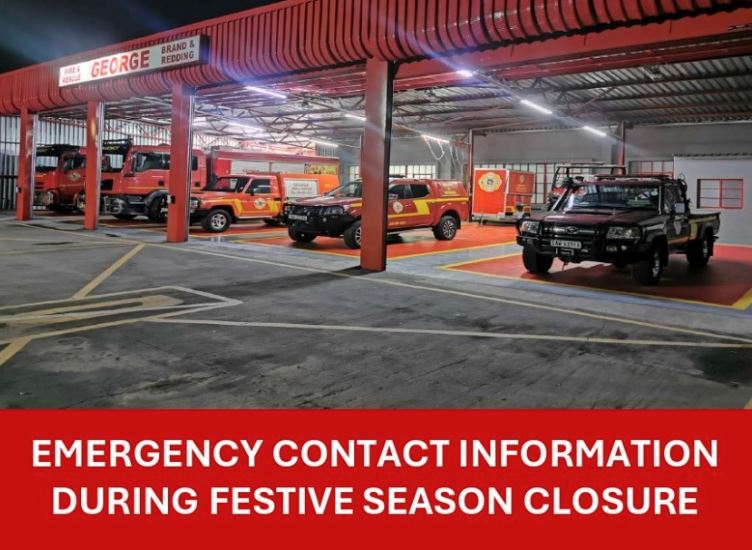
- Municipal Switchboard – 044 801 9111 (diverted to Emergency Services)
- Toll Free Disaster Centre – 087 152 999
- Fire Emergencies – 044 801 6311
- All after hours George Municipality – 044 801 6300 Including Uniondale and Haarlem
- Garden Route District Municipality Disaster Management emergencies 044 805 5071 (all hours)
George Municipality – Emergency Numbers
Fireworks Prohibited in George Municipality – A Festive Season Safety Reminder
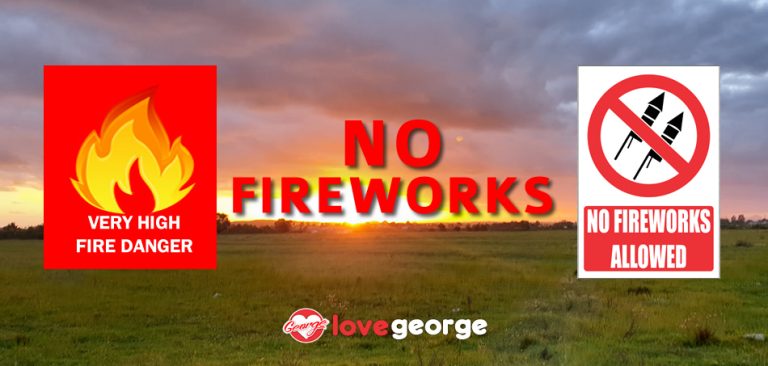
With the festive season upon us, George Municipality reminds everyone that the setting off and possession of fireworks, firecrackers, flares, and paper lanterns are strictly prohibited due to high fire risks. Law enforcement will be conducting inspections and enforcing penalties for non-compliance. Let’s work together to ensure a safe and peaceful festive season for all. Watch the video https://www.youtube.com/watch?v=fO5bGyZevfwNO FIREWORKS ALLOWED IN GEORGE AND SURROUNDSGeorge Municipality reminds the public that due to the high fire risk, the setting off, and possession of fireworks, firecrackers, flares, paper lanterns and other such paraphernalia in the George municipal area is not allowed. Strict Fireworks Legislation
George has strict firework legislation and according to the Bylaw on Community Safety, Section 58 (13) No person may discharge fireworks outside of a designated Fire Works Area. No fireworks area has been made available in George and should someone be caught discharging a firework, a flare or lighting a Chinese lantern an immediate fine of R1000 is applicable as well as a potential charge of arson.Confiscation Notices
Law Enforcement Services together with other Role players would start with the compliance campaign by doing continuous inspections at shops in all areas. Confiscation notices and Fines will be issued to non-compliant shops and confiscated fireworks will be handed over to the SAPS Explosives unit for disposal.Marine Flares
Setting off marine rocket flares for fun is hugely dangerous and irresponsible. NSRI is compelled to log and investigate each and every incident in case it is a real emergency which of course takes up their time and valuable resources and, more seriously, could detract from genuine flare sightings. It is also hugely dangerous for those setting off the flares, which, as they are quite costly, we suspect are also probably out of date. Marine guidance notes explain that all old flares need to be disposed of correctly.Rocket flares degrade with time and there have been cases where the rocket propellant separates from the parachute and you are left with an uncontrolled flare which then comes back down and hits the person who has fired it off.Enforcement
George Municipality will firmly enforce the applicable by-laws and Law Enforcement officials will be deployed at various areas and beaches throughout the season to attend to fireworks complaints. Pets and fireworks
This will hopefully assist in reducing the noise levels and allow people (and their pets) to plan for “noisy” periods thus allowing for a quieter, safer environment for all concerned. For some pets, especially dogs and cats with particularly noise-sensitive ears, the sound of fireworks can cause intense fear responses. Some pets will go to extremes to hide, others get startled and run away, and general anxiety caused by unexpected loud sounds can have long-lasting effects on animals.Other impacts of fireworks- did you know?
Bees become so disorientated they don’t go back to their hives.
Birds have panic attacks at night causing mass deaths.
Fish and other animals perish after ingesting fireworks debris.
Companion animals have anxiety and panic attacks.
Fireworks can also trigger Post Traumatic Stress Disorder in people.Please report the illegal setting off of fireworks to 044 801 6350 or after hours at 044 801 6300.
Please report the illegal trade in fireworks to 044 801 6350 or after hours at 044 801 6300FIRE EMERGENCIES: 044 801 6311
TOLL-FREE DISASTER NUMBER: 087 152 9999Issued by George Municipality
Water Safety Tips for the Festive Season

As we enjoy the festive season, please keep these essential water safety tips in mind to protect yourself and your loved ones:
- Never swim alone and avoid swimming in the sea, dams, or rivers at night.
- Do not swim under the influence of alcohol or other intoxicants.
- Always supervise children near water. Ensure they cannot access pools, ponds, water features, baths, buckets of water, or open toilets—young children can drown in as little as 4 cm of water.
- Secure your swimming pool with a pool net or an SABS-approved fence to prevent accidental falls.
- Swim only in designated areas at the beach where lifeguards are present and avoid swimming too far out.
- Remember, swimming in the sea is very different from swimming in a pool or dam, even for experienced swimmers.
- Only dive into water if you can see what’s below the surface, and always test the depth, first.
- George Fire and Rescue: 044 801 6311
- Toll-Free Disaster Number: 087 152 9999
- NSRI (National Sea Rescue Institute): 082 990 5955 | 087 094 9774
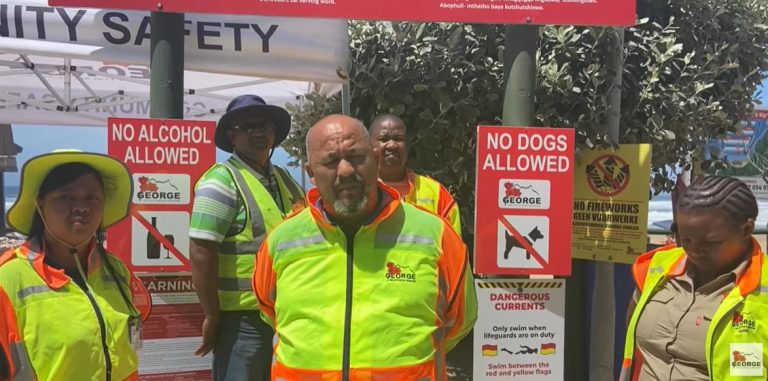
LIFEGUARDS ON THE BEACHES
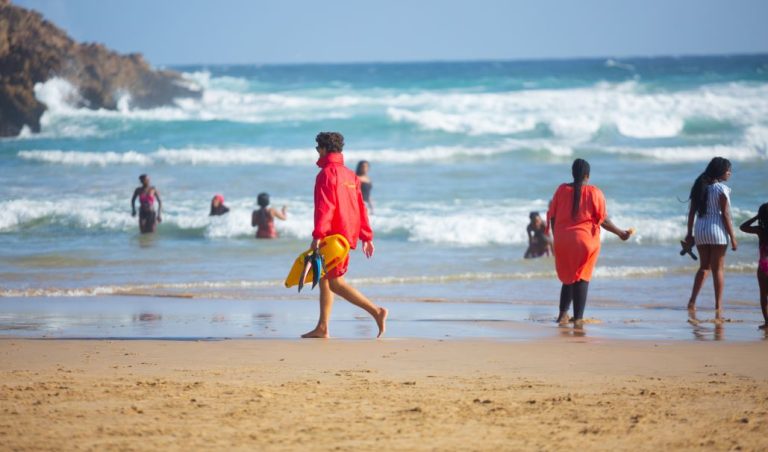
From 1 December 2024 to 31 January 2025, lifeguards will be deployed daily at the municipal blue flag beaches at Victoria Bay, Herold’s Bay, Wilderness Main Beach and Leentjiesklip (1 – 13 December from 9 am – 5 pm; 14 December – 31 January from 7 am-7 pm).From 1 February to 30 April 2025, lifeguards will be on duty only on Saturdays, Sundays, and public holidays, between 9 am and 5 pm, with an option to extend the hours on good weather days at the Blue Flag beaches (Victoria Bay, Herolds Bay, Wilderness Main and Leentjiesklip Beach).Gwaing River Mouth, Wilderness Lagoon and Steps Beaches will also have Lifeguards according to the above hours.As of 1 May 2025, until 30 November 2025, there will be no lifeguards deployed at the beaches and swimming pools.1. Beach SafetyBeaches and swimming pool that fall under the George Municipality’s jurisdiction
Wilderness Main Beach
Wilderness Lagoon
Wilderness Steps
Wilderness Lientjiesklip
Victoria Bay Beach
Gwaing River Mouth Beach and Day Camp
Herold’s Bay Beach and Tidal Pool
Conville Municipal Swimming Pool
Uniondale Municipal Swimming PoolEssential phone numbers to keep close this summer
The National Sea Rescue Institute (NSRI) Station 23 at Wilderness Beach supports the municipality.
The NSRI can be reached on 082 990 5955.
George Fire Department FIRE 044 803 6311
TOLL-FREE DISASTER NUMBER: 087 152 9999
George Municipality AFTER HOURS 044 803 6300How can people keep themselves safe and protected on the beach and in the water?
Learn to swim: Learning to swim is the best defence against drowning. Teach children to swim at an early age. Children who are not taught when they are very young tend to avoid swim instruction as they age, probably due to embarrassment. Swimming instruction is a crucial step in protecting children from injury or death.Swim near a lifeguard: statistics show that the chance of drowning at a beach without lifeguard protection is almost five times greater than drowning at a beach with lifeguards.Do not swim while under the influence of Alcohol or heavy sedation medication.Swim with a buddy: Many drownings involve single swimmers. When you swim with a buddy if one of you has a problem the other may be able to help, including signalling for assistance from others. At least have someone onshore watching you.Check with the lifeguards: Lifeguards work continually to identify hazards that might affect you. They can advise you on the safest place to swim, as well as places to avoid. They want you to have a safe day. Talk to them when you first arrive at the beach and ask them for their advice.Use sunscreen and drink water: Everyone loves a sunny day, but exposure to the sun affects your body. Without sunscreen, you can be seriously burned. The sun’s rays can also cause life-long skin damage and skin cancer. To protect yourself always choose “broad spectrum” sunscreen rated from 15 to 50 SPF, or clothing that covers your skin, and reapply sunscreen regularly throughout the day. The sun can also dehydrate you quickly. Drink lots of water and avoid alcohol, which contributes to dehydration. Lifeguards treat people for heat exhaustion and heat stroke from time to time. If you feel ill, be sure to contact a lifeguard.Obey Posted Signs and Flags: It sometimes seems as though there are too many signs, but the ones at the beach are intended to help keep you safe and inform you about local regulations. Read the signs when you first arrive and please follow their direction. Flags may be flown by lifeguards to advise of hazards and regulations that change from time to time. You can usually find informational signs explaining the flags’ meaning or just ask the lifeguard. ONLY Swim Between the flags. They indicate the swimming area. Do not swim if there are no Lifeguards on duty.Keep the Beach and Water Clean: Nobody likes to see the beach or water littered with trash. Even in places where beach cleaning services pick up trash daily, it may linger on the beach for hours, causing an unsightly mess and threatening the health of birds and animals. Broken glass also poses a great risk of injury to beach users. Do your part. Pick up after yourself and even others. Everyone will appreciate you for it.Learn Rip Current Safety: 80% of rescues by lifeguards at ocean beaches are caused by rip currents. These currents are formed by surf and gravity because once surf pushes water up the slope of the beach, gravity pulls it back. This can create concentrated rivers of water moving offshore. Some people mistakenly call this an undertow, but there is no undercurrent, just an offshore current. If you are caught in a rip current, don’t fight it by trying to swim directly to shore. Instead, swim parallel to shore until you feel the current relax, then swim to shore. Most rip currents are narrow and a short swim parallel to shore will bring you to safety.Enter Water Feet First: Serious, lifelong injuries, including paraplegia, occur every year due to diving headfirst into unknown water and striking the bottom. Bodysurfing can result in a serious neck injury when the swimmer’s neck strikes the bottom. Check for depth and obstructions before diving, then go in feet first the first time; and use caution while bodysurfing, always extending a hand ahead of you. Be careful even at the swimming pool.Wear a Life Jacket when on Watercrafts: Some 80% of fatalities associated with boating accidents are from drowning. Most involve people who never expected to end up in the water but fell overboard or ended up in the water when the boat sank. Children are particularly at risk and should wear life jackets whenever they are aboard boats.2. Public Swimming pools
The lifeguards are available at the Conville and Uniondale pools from 1 December 2024 until 21 April 2025, as per the following swimming pool operating hours.
• Monday to Friday: 13:00 – 16:00 (with 2 Lifeguards on Duty)
• Saturdays and Sundays (Public Holidays): 09:00 – 12:00 and 13:00 – 16:00 with 2 Lifeguards on Duty and one Lifeguard on standby.The following safety precautions are to be adhered to:
- Do not dive into a pool you have never been in before
- Listen to the lifeguards
- Do not swim alone
- Do not let small children swim in the big pool.
- No diving. No pushing
- Children under the age of 12 must be escorted by an adult (Please note that the small pool at Conville is closed for repairs)
- No weapons
- No alcohol is allowed at the swimming pools
- Right of admission reserved.
- Adult (Including children 16years and above): R 16, 00 per person
- Children (15 years & under): R 5, 00 per child
- Swimming tuition: per person: R 11, 00 (Both adult and children)
- Hire of Conville Swimming Pool:
- Galas for Adults: R1 590,00 / full day
- R 848, 00 / half day
- Deposit R1 590, 00 (Refundable)
- Floodlights: R 318, 00 / hour
- Touchpads: R 4 240, 00 / day – R 530,00 per set per day
- PLEASE NOTE: Entry fee to the Swimming Pools is VAT INCLUSIVE
The role of Citizen Journalism

Citizen journalism has become an essential part of the media landscape, especially in regions like the Garden Route, where the community’s active participation adds unique value to news coverage. With easy access to digital tools and platforms, local residents are increasingly sharing real-time information, images, and videos that keep others informed about community events, environmental changes, and urgent issues like wildfires or droughts.Key Roles and Importance1. Timely and Relevant Reporting
Citizen journalists are often first on the scene, especially in emergency situations like natural disasters or road incidents common in the Garden Route. Their immediate updates can provide vital information, enabling authorities and communities to respond more quickly.2. Local Perspectives and Authenticity
Citizen journalism captures the local voice, offering unique perspectives that traditional media may miss. These stories often highlight issues important to the community, like coastal erosion, tourism impacts, and local wildlife preservation. This authenticity resonates strongly within the community, fostering a sense of shared responsibility.3. Greater Accountability
Local citizen journalists play a watchdog role by documenting issues and developments that might otherwise go unnoticed. By sharing these stories on social media or local platforms, they bring attention to issues that demand action, like environmental management and local government policies, holding authorities accountable.4. Enhanced Community Engagement
Citizen journalism encourages community members to become more engaged and informed. This involvement builds a stronger, more connected community, where people actively participate in conversations around topics that affect their daily lives.5. Diverse Representation of Stories
In a region as diverse as the Garden Route, citizen journalism allows for a wider variety of stories that reflect different communities, cultures, and lifestyles. This inclusivity can enhance cultural understanding and reduce stereotypes, showcasing the region’s richness beyond typical news stories.As traditional media often faces constraints, citizen journalism fills in the gaps, providing more comprehensive and diverse coverage. The rise of citizen journalism in the Garden Route demonstrates the strength of collective voices in capturing and sharing the realities of everyday life, amplifying community issues, and contributing to a more robust and participative media environment.
Citizen Journalism: Empowering the Garden Route Community with Your Stories

In today’s fast-paced digital age, anyone with a smartphone and a passion for storytelling can help shape the news. Citizen journalism allows everyday people to report events, share stories, and contribute to the news landscape, ensuring that our community’s voice is heard loud and clear.At gardenroute.news, we believe that the heart of the Garden Route community lies in the stories, experiences, and perspectives of its citizens. Through citizen journalism, you have the opportunity to become a part of our team by sharing what’s happening in your world—from community events and inspiring human-interest stories to urgent news like road closures, weather updates, or emergency situations. This isn’t just about reporting; it’s about making sure that our community’s stories reach as many people as possible.Why Citizen Journalism?
Citizen journalism bridges the gap between professional news organizations and the people they serve. While traditional journalism plays a critical role in covering major events, citizens often witness and experience newsworthy events first-hand. By allowing you to report your stories on gardenroute.news, we’re opening up our platform to reflect the Garden Route’s diversity and vibrancy.How Can You Contribute?
Becoming a citizen journalist with us is simple. Visit gardenroute.news and look for the “Submit Your Story” section. There, you’ll find easy-to-follow instructions on uploading text, photos, and videos. You can share updates on local events, report traffic incidents, spotlight local heroes, or even cover a remarkable story from your neighborhood.Tips for Being a Citizen Journalist
- Tell the truth: In a world dominated by fake, unverified news, it is now more than ever important to get the truth out there.
- Be Timely: News is most impactful when it’s fresh. If you see something that others need to know, share it as soon as possible.
- Be Accurate: Double-check facts and aim to report objectively.
- Respect Privacy: Avoid sharing personal information without consent.
- Add Visuals: Photos or videos add context and engage readers.
Safety Alert for Railway Tracks in Outeniqua Mountains
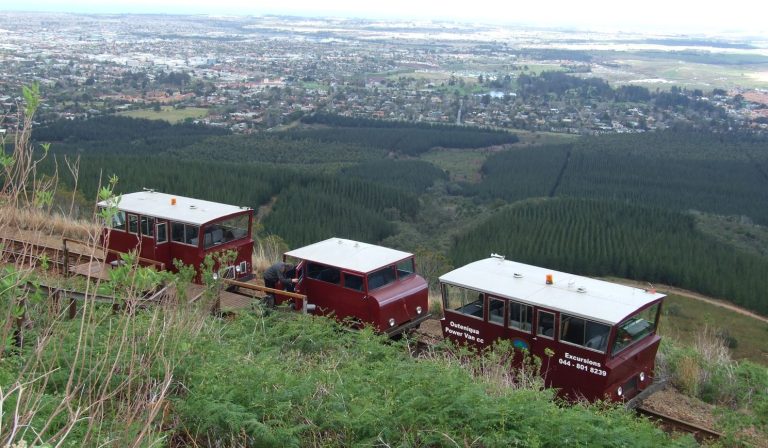
For your safety, please be aware that the Powervan is actively using the railway track in the Outeniqua Mountains with multiple daily trips. All hikers, cyclists, and visitors near the railway line should exercise caution.Important Safety Guidelines:
- Stay Off the Track: Avoid walking directly on or near the railway tracks, as the Powervan cannot stop quickly.
- Supervise Children and Pets: Keep children close and pets on a leash.
- Look Out for Signage: Warning signs have been placed along the route to indicate that the track is in use.
Posters and Banners, the do’s and don’ts of putting them up in George
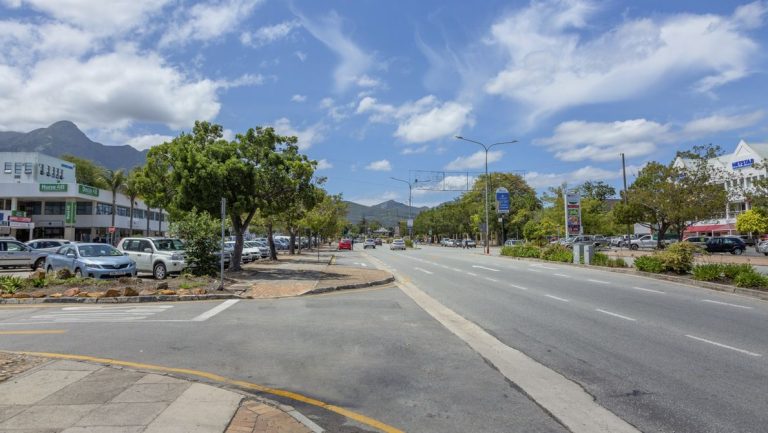
George Municipality has in the past week removed a number of unauthorised banners randomly attached throughout George, as well as a number of illegal lamp pole posters.
We remind all organisations and individuals who wish to put up posters and/or banners prior to the festive season that it is illegal in terms of our Standard Bylaw regarding Streets (PK 565/1987) to do so without prior permission of the Municipality. Organisations and individuals alike should further take note that there is an application process and deposits, and fees are payable. All requirements in the Bylaw need to be met and will be strictly enforced.
POSTERS THAT ARE ERECTED ILLEGALLY WILL BE REMOVED AND DESTROYED
Permission for the erection of posters on lamp posts is granted, in accordance with the Regulation regarding Advertisement Signs and the Defacement of the Façade on the Forefront of Streets (PK 565/1958) and the Standard Bylaw regarding Streets (PK 565/1987) to:
- Individuals erecting posters for municipal and/or parliamentary elections and meetings;
- Political parties as well as the Independent Electoral Commission (IEC) to erect posters during the official IEC voter registration week/weekends;
- An institution which holds sports events on a provincial, national or international level;
- An institution that organises festivals which receive financial support from Council.
- Only one poster per event may be displayed on a lamp post with the understanding that two posters may be positioned back-to-back. These posters may be positioned two weeks before an event and may only be fixed to the lamp posts by means of using rope or a similar material. No adhesive material may be used for this purpose. A maximum of 100 posters may be displayed in instances where sports events and festivals are taking place.
- Posters must be removed on or before the fourth weekday after the event.
- Wording of the poster must be factual and may not offend any person, race or belief. The municipality also retains the right to remove any poster without providing explanation, where such poster hinders the visibility of any traffic sign or if management deems it ineligible for a poster to be displayed at a specific location.
- Should an individual/organisation neglect to remove all posters that they have displayed, they will forfeit the deposit or a part thereof, depending on the costs involved in the removal of said posters. The Poster or the artwork must be submitted via the Tourism Department for approval within a reasonable timeframe before it is displayed or erected.
- The official stamp must be affixed on each of the approved posters once the applicable fees are paid.
- The banners sites must be pre-booked with a deposit paid.
- They may only be a maximum size of 3.5 m x 1m, and no political, liquor or cigarette advertisement with offensive wording on banners will be allowed.
- Banners may only be up for a period of two weeks and must be removed by the applicant.
Oktober is Kubersekuriteitsmaand: Hoe om jou data te beskerm

Oktober is amptelik Kubersekuriteitsmaand, ’n tyd wat wêreldwyd gebruik word om bewustheid oor aanlynsekuriteit te verhoog en individue sowel as besighede te help om hulself teen kuberbedreigings te beskerm. Met die vinnige groei van tegnologie en toenemende gebruik van digitale platforms, word kubersekuriteit belangriker as ooit tevore. Kuberkrakers ontwikkel voortdurend nuwe metodes om rekenaars en netwerke te infiltreer, wat die risiko vir finansiële verlies, identiteitsdiefstal en persoonlike inligtinglekkasies verhoog.Hier is 10 wenke om jou kuberveiligheid te verbeter en risiko’s te beperk:1. Gebruik Sterk Wagwoorde
Gebruik ’n unieke en ingewikkelde wagwoord vir elke rekening. Kombineer hoofletters, kleinletters, syfers en simbole. Vermy maklike keuses soos jou naam of geboortedatum. Jy kan ook wagwoordbestuurders gebruik om jou wagwoorde veilig op te slaan.2. Aktiveer Twee-faktor-verifikasie (2FA)
Twee-faktor-verifikasie voeg ’n ekstra laag beskerming by. Selfs as iemand jou wagwoord het, kan hulle nie toegang tot jou rekeninge kry sonder die tweede verifikasie, soos ’n SMS-kode of ’n app-bevestiging nie.3. Hou Sagteware Opgedateer
Verskaffers stel gereeld sekuriteitsopdaterings vry om kwesbaarhede reg te stel. Maak seker jou bedryfstelsel, antivirusprogramme, en toepassings is altyd op datum om beskerming teen nuwe bedreigings te verseker.4. Wees Oorversigtig met E-posse en Skakels
Phishing is een van die algemeenste maniere waarop kuberkrakers jou inligting probeer steel. Wees versigtig vir verdagte e-posse en skakels, veral as hulle jou vra om persoonlike inligting in te voer of wagwoorde te verander.5. Gebruik ’n Antivirus- en Anti-Malware-program
’n Goeie antivirusprogram beskerm jou toestel teen virusse en wanware. Stel die program so in dat dit gereeld skanderings uitvoer en bedreigings outomaties verwyder.6. Verskuil Jou Data
Data-enkripsie sorg dat, selfs al word jou data gesteel, dit onleesbaar is vir die aanvaller. Dit is veral belangrik vir sensitiewe dokumente, e-posse en lêers wat jy op die wolk of jou rekenaar stoor.7. Wees Versigtig op Openbare Wi-Fi
Vermy die gebruik van openbare Wi-Fi-netwerke vir sensitiewe aktiwiteite soos bankwese. Indien jy dit moet gebruik, maak seker jy verbind deur ’n Virtuele Privaat Netwerk (VPN) om jou data te beskerm. 8. Monitor Jou Rekeninge Gereeld
Kontroleer jou bankstate en aanlynrekeninge gereeld vir enige verdagte aktiwiteit. Hoe vinniger jy ’n moontlike oortreding opspoor, hoe vinniger kan jy aksie neem.9. Beperk Deel van Persoonlike Inligting
Die minder inligting jy oor jouself aanlyn deel, hoe veiliger is jy. Kuberkrakers kan inligting wat jy op sosiale media deel, gebruik om jou identiteit te steel of wagwoorde te raai.10. Skep Rugsteun van Belangrike Data
Maak gereeld rugsteun van jou belangrike data. Selfs as jy gekompromitteer word deur kuberkrakers of malware, kan jy jou data maklik herstel sonder om waardevolle inligting te verloor.Deur hierdie eenvoudige stappe te volg, kan jy jouself en jou inligting beter beskerm teen die toenemende bedreigings van die digitale wêreld. Bly waaksaam, bly ingelig, en maak seker jou kubersekuriteit is prioriteit – nie net hierdie Oktober nie, maar elke dag van die jaar.