


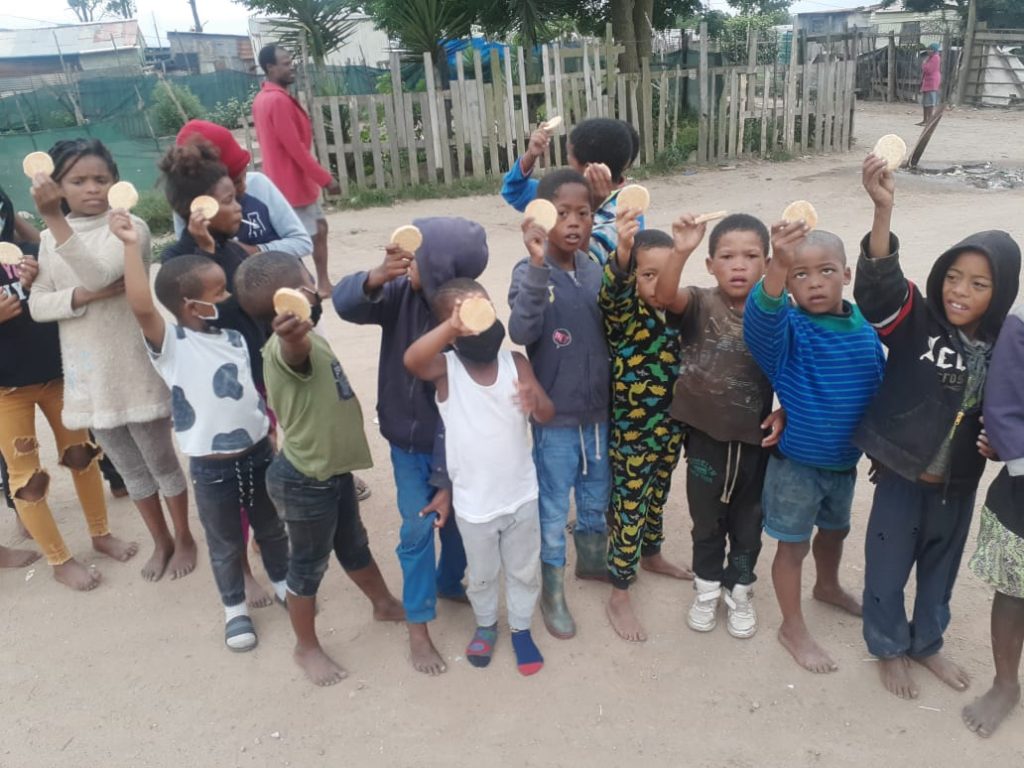
 Thanks to the LoveGeorge network of churches, who will be assisting with fair distribution.
This is a permanent project for the Garden Route – so we invite individuals or businesses to assist us by adopting a school, creche, playgroup, soup kitchen or any other feeding centre so that we can provide each child with a protein biscuit at the start of each day, throughout 2021.
Thanks to the LoveGeorge network of churches, who will be assisting with fair distribution.
This is a permanent project for the Garden Route – so we invite individuals or businesses to assist us by adopting a school, creche, playgroup, soup kitchen or any other feeding centre so that we can provide each child with a protein biscuit at the start of each day, throughout 2021.Looking into Nutrition
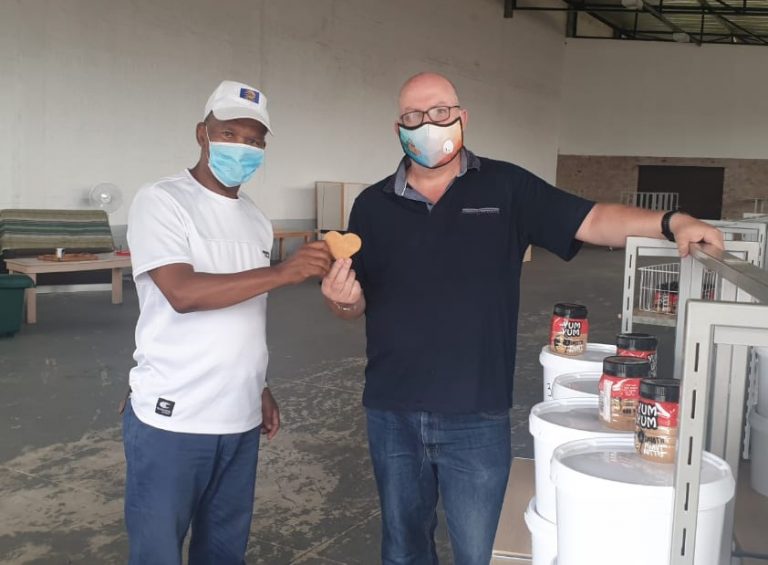
When addressing “Food Security”, we have to be cognizant of the fact that a healthy diet must be part of the broader picture, otherwise, we are simply feeding the hungry.
Too many children are severely malnourished – this despite receiving meals at feeding centres – and a large reason for this is that they do not get the necessary intake of proteins, vitamins, and various other essential daily requirements.The Garden Route Food Pantry is officially licensed by CPUT (Cape Peninsula University of Technology) to produce our very own brand of fortified products, under the label “Good4You Foods”.
Our first product is the Good4You Protein Biscuit – this biscuit has all the necessary ingredients to fight against malnutrition and gives our children a fighting chance for survival in a world that is suffering.
This holiday season, with thanks to the financial aid from the Eden Lions Club
and the Plangger family from Germany, we are able to produce over 15 000 protein biscuits for distribution across George. Thanks to the LoveGeorge network of churches, who will be assisting with fair distribution.
This is a permanent project for the Garden Route – so we invite individuals or businesses to assist us by adopting a school, creche, playgroup, soup kitchen or any other feeding centre so that we can provide each child with a protein biscuit at the start of each day, throughout 2021.
Thanks to the LoveGeorge network of churches, who will be assisting with fair distribution.
This is a permanent project for the Garden Route – so we invite individuals or businesses to assist us by adopting a school, creche, playgroup, soup kitchen or any other feeding centre so that we can provide each child with a protein biscuit at the start of each day, throughout 2021.
Thanks to the LoveGeorge network of churches, who will be assisting with fair distribution.
This is a permanent project for the Garden Route – so we invite individuals or businesses to assist us by adopting a school, creche, playgroup, soup kitchen or any other feeding centre so that we can provide each child with a protein biscuit at the start of each day, throughout 2021.Less distraction and more focus in 2021
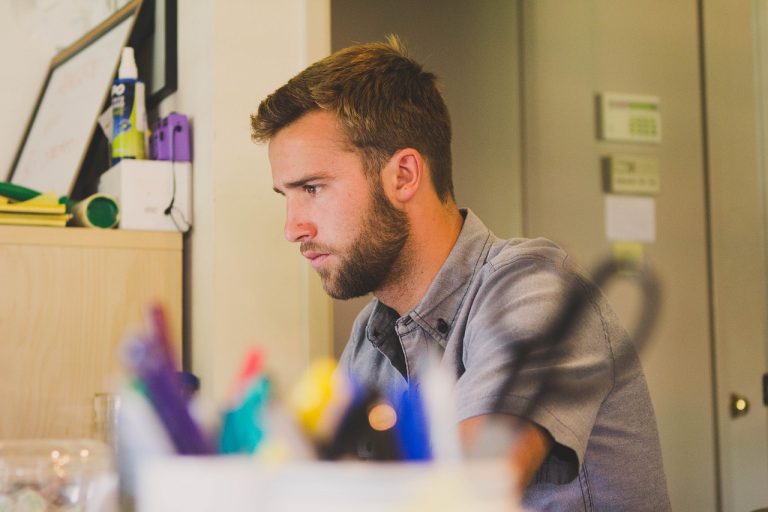
As humans we have the tendency to complain that things are hard and that the odds are stacked against us. Look, with the year we have all had this is more true then it has ever been. If you are fortunate enough then you are living paycheck to paycheck. With less fortunate people depending on charity and the odd job here and there. Many business owners are considering closing their doors, if they haven’t already done so. Some entrepreneurs are now working for companies to get stability until our current situation improves. What will tomorrow bring? Before we go further down the path of negativity and the “less than ideal situation” we are currently experiencing, I need to ask you the following. What or where would you say your current level of distraction lies at? Take some time to deliberate with yourself. Think of everything that is currently distracting you, more specifically the brainless time wasting activities you constantly partake in during your day. Most common examples would be your cell phone, social media, games, gossip, daydreaming, negative self talk and the list goes on. You will know what your vice is. Let me put this into perspective. When a human switches between tasks during the day it takes us up to 25 minutes to refocus. To be clear, focus is when you reach that state where you truly apply yourself to the task at hand and you are in the best problem solving state. Now take 25 minutes and multiply it by the amount of times you distract yourself during the day. Interesting result dont you think? So, from when you wake up in the morning until you go to bed at night you’re never truly focused on anything. Then we wonder why we never seem to be as successful as we can be.This year I need you to remember that everything in the world we live in today is made to distract us. From advertising to mainstream media, everything out there is purpose made to get your attention. No, it’s not a conspiracy theory, it’s the truth. Everyone has something to sell you and they need to get your attention by any means necessary. Next time you indulge in a mindless activity created by another to distract you remember that they applied focus in order to get your attention. They take your time and make money for themselves while doing it. You? What did you focus on?A word on distraction: Distraction can be very healthy and is needed for well-being and psychological health. You need to control the amount of time you spend on distractions if you are a goal orientated person seeking some form of success. Remember that time is a gift with an unknown expiry date. Don’t waste your time living a distracted life.
 Let me put this into perspective. When a human switches between tasks during the day it takes us up to 25 minutes to refocus. To be clear, focus is when you reach that state where you truly apply yourself to the task at hand and you are in the best problem solving state. Now take 25 minutes and multiply it by the amount of times you distract yourself during the day. Interesting result dont you think? So, from when you wake up in the morning until you go to bed at night you’re never truly focused on anything. Then we wonder why we never seem to be as successful as we can be.This year I need you to remember that everything in the world we live in today is made to distract us. From advertising to mainstream media, everything out there is purpose made to get your attention. No, it’s not a conspiracy theory, it’s the truth. Everyone has something to sell you and they need to get your attention by any means necessary. Next time you indulge in a mindless activity created by another to distract you remember that they applied focus in order to get your attention. They take your time and make money for themselves while doing it. You? What did you focus on?A word on distraction: Distraction can be very healthy and is needed for well-being and psychological health. You need to control the amount of time you spend on distractions if you are a goal orientated person seeking some form of success. Remember that time is a gift with an unknown expiry date. Don’t waste your time living a distracted life.
 Reliable printing service in town!
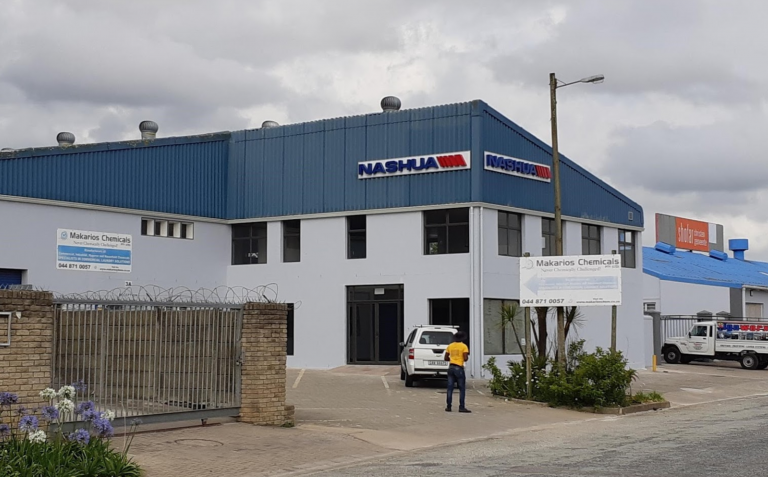
Written by Maryke Jooste, the owner of Mastering It. Having your own business, working from home and not having your own printer as well (okay, this might sound like a small thing to make a note about!), means relying on outsourcing and services within the town to stay operational. With printing specifically, I regard myself as a loyal client of Nashua George for good reason. Nashua (https://www.nashua.co.za/store/nashua-george/) – a service provider of quality and affordable printing! But that is not all, I even started emailing my print work to them in advance and only need to go and pick it up at a later stage on the same day. Therefore, of course, I would continue to have all my print work done with them!No ques. No high and unreasonable prices. Nashua, as I found their services, comes with quality day to day printing (colour and black & white), friendly faces and people passionate about rendering a great service to the community of George.Nashua George started operating in the Garden Route since the year 1982 already. Over the years, Nashua has already established its brand as a reliable and trusted printers and copiers business. Moreover, it’s been expanding the services it offers to offer Surveillance (CCTV), Voice (PBX and VOIP), Data, Biometrics (Time and Attendance) and Smart Solutions (Interactive Whiteboards) as well. This expansion has been with the purpose of providing more for their clients. But it is their SmartPrint service offering that is of great convenience to their clientele. Come and print or copy manuals, larger posters and rendered images. It is therefore not much of a though to consider Nashua for all your office requirements! Want to find more information on them?
They can be followed on their Facebook and Instagram pages. Nashua also has a team of dedicated engineers on standby for all callouts in various areas within the Garden Route. Last year, during the end of 2020, they started focusing more on assisting clients with day to day print work as well. This includes printing of brochures, flyers, specially created cards. It will be best to make personal contact with them in order to see how they can meet your specific business or personal printing and copying needs!Their contact details: 044 874 5066 / info@nashuageorge.co.za
Or visit them at 3 Commercial Cl, Levallia, George, 6539.
Franchise owner: Peter Rooyakkers
Safety warning around dam as alien clearing starts
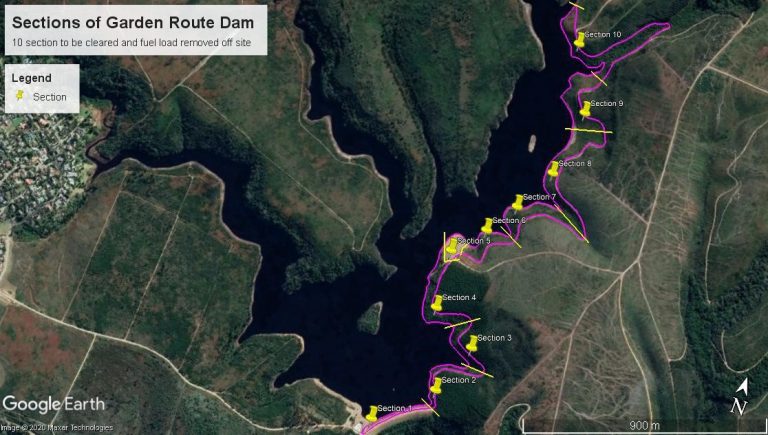
Alien vegetation clearing above the Garden Route Dam is expected to commence next week (11 January 2020) and public access to certain areas will be restricted for safety reasons.George Acting Municipal Manager Michele Gratz said the long-awaited project was funded by the Cape Agency for Sustainable Integrated Development in Rural Areas (Casidra) and would see the clearing of alien vegetation such as blue gum, pine and wattle around the edges above the dam and upstream rivers. “While essentially aimed at improving water flow and run-off into the catchment area of the dam for water security, the reduction of biofuel also decreases fire risk for nearby residences and plantations,” said Dr Gratz.“However, while the contractors are on site, we appeal to the public to stay clear of areas that are marked as restricted due to the presence of heavy vehicles and dangerous equipment including woodchippers, chain saws and cutters – not to mention falling trees, snakes and other wildlife disturbed by the temporary commotion.”The contractor should be on site next week and clearing is expected to take place until February or March, depending on circumstances. Public access to the dam will be restricted depending on where the teams are working and on the kind of equipment and vehicles they are using. Access control will be applied at the main gate to the dam, the dam wall or access roads, whichever is most appropriate. Signage will be applied accordingly.The first section to be cleared will be from the dam wall and up the river towards pepsi pools and up to the service road above the dam. As this is a popular cycling and hiking area, an urgent appeal is made to outdoor enthusiasts to stay clear of all plantation and forest terrain, tracks and roads in this vicinity. “While it may be temporarily inconvenient for regular users of the terrain to find alternative outdoor space for a while, the long-term benefits of less invasive species in their natural playground will reap its own rewards.“While signage will be placed at as many points of access as possible, the area is not fenced, and the municipality will rely on citizens to help spread the word and to warn and discourage people from accessing the area. Ongoing messaging on several municipal communication channels will also take place.“The municipality thanks residents and visitors for their support and patience during this project. It will be a temporary inconvenience but will provide longer term water security in a changing climatic environment,” said Dr Gratz.
An Optimist’s View Going into 2021
Article by Simon Sinek.Optimism is about the future. It is not blind positivity nor is it naïve. It is not seeing the glass as half full and ignoring the half of the glass that is empty. It is the ability to see the emptiness of half the glass while choosing to focus the fullness of the other half of the glass. It is the ability to see the good in the face of the bad. It is the practice of looking for the silver-linings in any cloud. 2020 definitely gave us lots of “half empty” things to see. However, this New Year will be defined by our ability to see the “half full” moments. These are some of the silver linings and lessons that came out of 2020 that will help us make 2021 a remarkable and inspiring year. ASK FOR HELP AND BE THERE FOR OTHERS
Last year, we learned that no one has the emotional strength to avoid the pain of trauma – any trauma. And the way COVID turned our lives upside down is absolutely a trauma. A dear friend of mine who is active duty military explained to me that every member of the military who goes to combat will, at some point, has to deal with the impact of that trauma. Some will feel that stress quickly while others won’t feel the effects until months after their return. And the way in which people process trauma can be wildly different. There is no one way or right way for us to struggle, but we need to recognize that we mustn’t, and shouldn’t go through it alone. Lesson for 2021: When we feel stress or strain, tell people. Ask for help. We are much better able to cope when we do it in partnership with someone who cares about us. As important, is to be there to love and support people. Serving others is often one of the most inspiring and fulfilling things we can do in our lives. FEEL ALL THE FEELS
Another big lesson I learned last year was that we can have multiple, sometimes conflicting emotions, at the same time. My friend and coach, Andrea Garfield, helped me understand that we can feel sad and optimistic simultaneously. We don’t have to feel guilty about having feelings of hope and optimism when surrounded by sadness. Though I am saddened when I think about lost family members and lost livelihoods, at the same time, I feel inspired when I think about the stories of courage, ingenuity and love. Lesson for 2021: All feelings to flow. Don’t edit or judge them…just feel them.HAVE DIFFICULT CONVERSATIONS
The rise of the Black Lives Matter movement forced many of us to confront questions and realities that, for too many years, we were able to ignore simply because it was uncomfortable. The killing of George Floyd made it impossible for us to sugar-coat, rationalize or ignore the realities of our world. Unfortunately, so many people, including too many people in leadership positions, didn’t have the uncomfortable conversations they needed to have. Many avoided the tension, not because they are bad people, but because they didn’t know how to start an uncomfortable conversation for fear of saying the wrong thing or accidentally making any tension worse.Whether we like it or not – we need to learn to have uncomfortable conversations – be they about race inequality or any other subject that causes a person or a group of people to feel left out, forgotten or mistreated. My friend and colleague, David Harris, helped guide me on how to start a difficult conversation. And it goes something like this, “I need to have a difficult conversation with you. I am very nervous to have this conversation because I fear I will say the wrong thing or accidentally trigger you. But this conversation is too important to avoid, even if the result is bumpy and imperfect.”Lesson for 2021: Learn the skills required to have a difficult conversation. The people in our lives will be thankful for it. EMBRACE AHEAD AND BEHIND
I look at social media and see all the postings of people expressing how glad they are that 2020 is over. Except it’s not. Not in the sense of the Infinite Game. Yes, we are passing a calendar marker in an infinite race after a particularly grueling leg, but the race is not over. I have been so inspired by Dr. James Carse’s (who sadly died in 2020) thinking about the infinite game – it has taught me not to see things in terms of good or bad but rather in terms of ahead and behind. To see ourselves, our work, our country and the world as part of a continuum. To think of 2020 as “bad” and “over” ignores the fact that the impact of things that began or grew in 2020 live on and we will be still dealing with them in 2021. I find it healthier not to think of 2020 as a bad year, but rather that it had more behind days than we would like. And, I look forward to 2021 having many more ahead days. This Infinite Mindset helps us better prepare for what challenges lie ahead and avoid the kind of surprises that throw us off balance. Lesson for 2021: Embrace an Infinite Mindset.EXPRESS GRATITUDE
Gratitude is the feeling we get when we are able to see something we have or were given and recognize that we are not entitled to it. Regardless, it came our way. That humility we feel is gratitude. Regardless of how we experienced 2020, we all have something to be grateful for. Every one of us can feel humbled by the love we received, the support we got, the lessons we learned or the people who were there when we needed them most. And when we feel gratitude we are better able to feel optimistic. I am grateful for the amazing friends who have been there for me throughout 2020. I am grateful how much time I got to spend with my family. I am grateful for my team and how we rallied to pivot our business and reinvent ourselves. And most of all, I am grateful how so many people came together to support, look after and serve others with no expectation of anything in return. Lesson for 2021: Say thank you to the people who show up for us and appreciate the things we have. I leave 2020 filled with gratitude and a feeling of optimism for 2021.
Wishing everyone a happy, healthy and inspiring New Year. Take care of yourself and take care of each other.Simon SinekSimon Sinek Books
https://simonsinek.com/
https://www.facebook.com/simonsinek
https://twitter.com/simonsinek
Good4You Foods
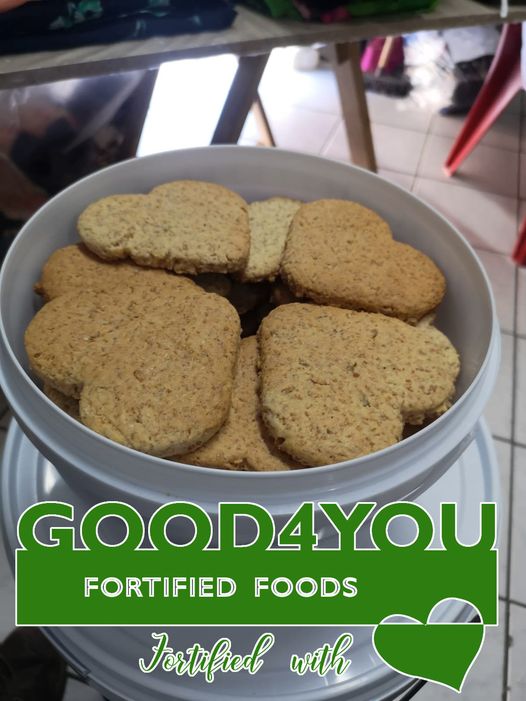
When addressing “Food Security”, we have to be cognizant of the fact that a healthy diet must be part of the broader picture, otherwise we are simply feeding the hungry.
Too many children are severely malnourished – this despite receiving meals at feeding centers – and a large reason for this, is that they do not get the necessary intake of proteins, vitamins, and various other essential daily requirements.
The Garden Route Food Pantry is officially licensed by CPUT (Cape Peninsula University of Technology) to produce our very own brand of fortified products, under the label “Good4You Foods”
Our first product is the Good4You Protein Biscuit – this biscuit has all the necessary ingredients to fight against malnutrition, and gives our children a fighting chance for survival in a world that is suffering.
This holiday season, with thanks to the financial aid from the Eden Lions Club and the Plangger family from Germany, we are able to produce over 15 000 protein biscuits for distribution across George.
Thanks to the LoveGeorge network of churches, who will be assisting with fair distribution.
This is a permanent project for the Garden Route – so we invite individuals or businesses to assist us by adopting a school, creche, playgroup, soup kitchen or any other feeding center, so that we can provide each child with a protein biscuit at the start of each day, throughout 2021.
Contact us for more details: Carl van Blerk – 082 826 0731 | carl@echo.org.za
BMW F 900 R

They say that there is no such thing as a perfect bike. Only a perfect garage. Unfortunately, most of us have trouble justifying to own more than one motorcycle, so we compromise and get a dual-sport bike. In Europe, however, the compromise is normally a naked roadster. Something like the new BMW F 900 R. Something nimble for everyday commuting, but fun enough to carve up a canyon at the weekend.
BMW launched the F 900 range in South Africa earlier this year and the range comprises of just two models: the R and the XR. They share the same underpinnings, but the XR has a more upright riding position and offers some wind protection as well. The R, on the other hand, is much more sporty.

Unlike the previous F 800 R, the new F 900 does not share its engine with the GS derivative. The 900’s engine is 42cc bigger than the unit in the 850 GS and produces just a shade over 100 hp. The new F 900 R is also much better looking than the bike it replaces. It is still a conservative design but is a lot more pleasing to the eye.
The R has nice wide handlebars and the footpegs are further back than on the XR. The seat is comfortable and has the F 900 logo embroidered onto it. In front of you is the now familiar BMW instrumentation and switchgear. One addition to the dash that I like is the Sport display. This changes the display to show you things like your lean angles and how much the traction control intervenes. Riding then becomes a game of improving on your previous best. A word of caution though – it can get rather addictive.
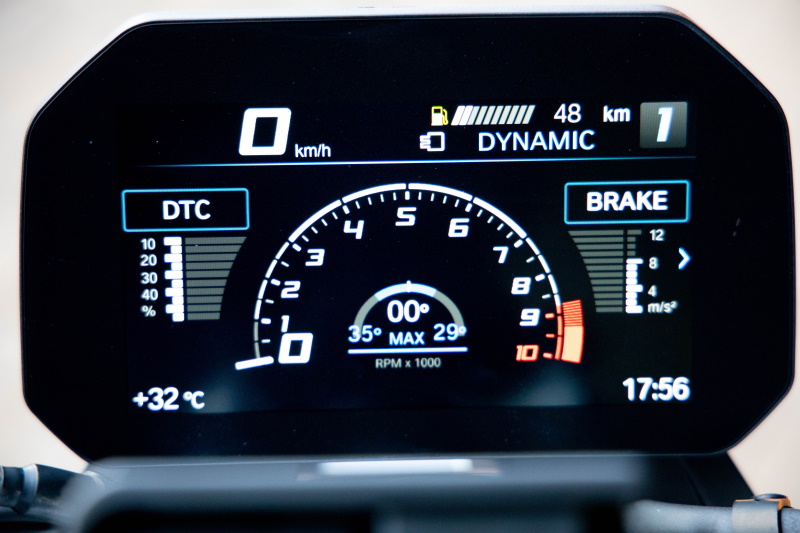
The exhaust note of the 900 R is a pleasure to behold. The exhaust has a nice growl to it and once the air-intakes start singing along, you just want to keep the throttle pinned. If you combine the soundtrack with the even torque spread, the F 900 really becomes fun to ride. Still, the BMW is a far more conservative bike than, say, the KTM 890 Duke or the screaming Kawasaki Z900. Naked bikes are supposed to be unhinged machines, but the F 900 is not that. Instead, you get a solid BMW with all the modern conveniences to make your ride truly pleasurable.

Article & Photos: Brian Cheyne

PRESIDENT CYRIL RAMAPHOSA – 14 December 2020
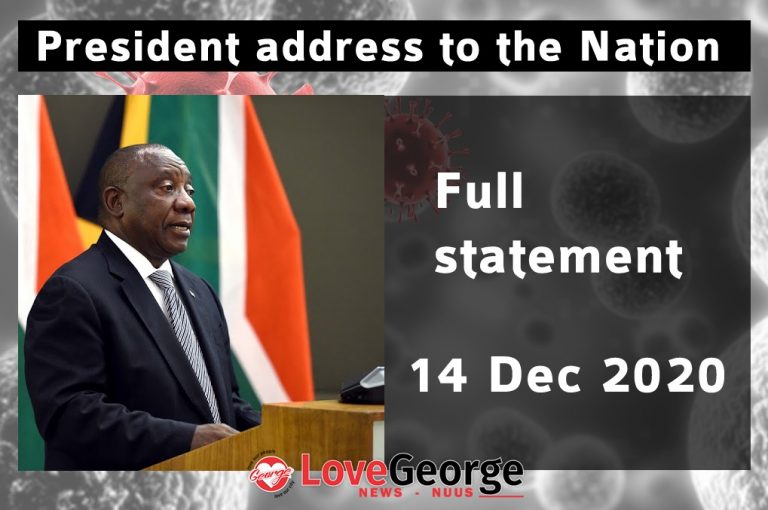
STATEMENT BY PRESIDENT CYRIL RAMAPHOSA ON PROGRESS IN THE NATIONAL EFFORT TO CONTAIN THE COVID-19 PANDEMIC, 14 DECEMBER 2020


 My fellow South Africans,It is just 11 days since I last addressed you.Then I reported on the signs of a resurgence of coronavirus infections in various parts of the country.On that day, the 3rd of December, our country recorded over 4,400 new cases.
Yesterday, the 13th of December, we recorded nearly 8,000 new cases.
The cumulative number of confirmed coronavirus cases in South Africa now stands at 866,127.
These figures are a cause for great concern.
There can no longer be any doubt – the country has entered a second wave of coronavirus infections.Given the rate at which new cases have grown over the last two weeks, there is every possibility that if we do not act urgently and if we do not act together, the second wave will be more severe than the first wave.The daily average of new cases nationally over the last 7 days is 74% higher than the previous 7 days.In this time, the number of new cases has increased from a daily average of around 3,800 to just over 6,600 a day.The daily average of COVID-19 deaths has increased by nearly 50% over the same period from just over 100 deaths a day to just over 150 deaths.The four provinces that are leading the second wave are Eastern Cape, Western Cape, KwaZulu-Natal and Gauteng.For the first time in this pandemic, most of the new infections are among young people, particularly those in the age group of 15 to 19 years.There are probably many reasons for this massive spike in infections, but some key contributors are now becoming clearer.Gatherings – especially social gatherings and parties – are the largest source of outbreaks.In many of these gatherings, social distancing is not being observed, venues are crowded and not adequately ventilated, hand sanitiser is not readily available, and people are not wearing masks.Many people consume alcoholic drinks at these ‘super-spreader’ events, with the result that people become less careful about taking measures to protect themselves and prevent infection.The recent post-matric Rage Festival event in Ballito is a harsh reminder of how dangerous large gatherings can be.We now know that nearly 1,000 young people from Gauteng who attended the event have tested positive for the coronavirus. What we don’t yet know is how many more people each of them has infected.It is said that up to 300 families could in turn have been infected.The sad truth about this pandemic is that festivals, concerts and parties – which should be occasions for fun and joy – are proving to be sources of infection and illness, and may even lead to deaths.Another factor in the rise in infections is increased travel.Many people do not observe prevention measures as they move within cities, towns and rural areas, and between different areas.We have to recognise that the more we travel, the greater the potential for the spread of the virus.That means wearing a mask when you are in public transport and making sure that the windows are open at all times.It also means reducing the number of people that you spend time with if you are travelling to visit family and friends in other parts of the country.It is safer to socialise with your immediate family than with large gatherings that could cause the virus to spread.More broadly, the massive rise in infections is the result of people not observing basic – and easy to follow – practices.These measures are particularly important as transmission is often caused by people who are infected but are not yet showing symptoms, if they develop symptoms at all, and may not even know they have the virus.The relatively low rates of infection over the last few months have made us more relaxed about wearing a mask over our nose and mouth every time we go out in public.We no longer see the point of avoiding crowded venues, or standing more than 1.5 metres from each other, or keeping windows open when travelling on public transport or sanitising commonly used places.We have gotten into the Christmas spirit early and are inviting friends and family over for get-togethers.Yet, it is our failure to closely adhere to all these basic precautions at all times that has brought us to this second wave.These safety precautions may not seem important until someone you love has been infected with the virus because of your own carelessness.The festive season now poses the greatest threat to the health and well-being of our nation.It poses the greatest threat also to the recovery of our economy.This is because the festive season is traditionally a time of gatherings, of travel, of meeting friends and family, and of relaxing after a difficult and stressful year.In these respects, the festive season is very much like the Easter period.It is worth remembering that during Easter this year, we were able to limit the number of infections because we all remained disciplined, we all observed the restrictions and we all adhered to the basic health measures.In this regard, we recognise the sacrifices that churches made by suspending Easter services, and indeed the contribution that all faiths have made throughout the year to preserving life.Just as we did during Easter, we need to once again adhere to the basic health protocols.If we do not do things differently this festive season, we will greet the new year not with joy, but with sorrow.Many of our friends, relatives and co-workers will be infected, some will get severely ill and some, tragically, will die.Unless we do things differently, this will be the last Christmas for many, many South Africans.This is certainly what we don’t want. We all want to live and let our loved ones live.It is therefore essential that we take extraordinary measures to contain the second wave and save lives, while working to protect livelihoods.My fellow South Africans,Eleven days ago, we declared Nelson Mandela Bay to be a coronavirus ‘hotspot’ areas, in line with our differentiated approach to the management of the pandemic.There are other municipalities that have also shown a particularly sharp rise in infections.The Minister of Health Dr Zwelini Mkhize has visited these areas and after consultations with various stakeholders, Cabinet has decided to also declare the following two districts as coronavirus hotspots.These are the:– Sarah Baartman District
– Garden Route District This all means that the same additional restrictions that we applied to Nelson Mandela Bay will apply in these districts from midnight tonight and will continue until we see a clear and sustained decline in infections.While these hotspot areas require particular attention, the festive season poses significant risks for the entire country.We have therefore been undertaking consultations in provinces, including at municipal level, on the measures that need to be taken to contain the second wave.There have been extensive deliberations within the National Coronavirus Command Council and the President’s Coordinating Council, which brings representatives of national, provincial and local government together.Based on the recommendations from these meetings, Cabinet has decided that further restrictions need to be imposed nation-wide from midnight tonight.Firstly, we will ensure that there is stricter enforcement of existing alert level 1 restrictions throughout the country during the festive season and beyond.This includes the requirement that drivers and operators of any form of public transport must ensure that all passengers wear a mask.The managers or owners of buildings, places or premises – including retail stores, shopping centres, and government buildings – are obliged by law to ensure that all customers who enter their facilities or buildings wear a mask.An employer must ensure that all employees wear a mask while they perform their duties.This places a responsibility on all owners, managers and employers – and on all of us – to ensure that South Africans are safe whenever they are in any of these places.The responsible individuals who do not ensure compliance with the regulations by their passengers, customers or employees will be liable to a fine or to imprisonment of up to six months.Secondly, we are taking measures to reduce the risk of super-spreading events.The current restrictions on the size of gatherings do not do enough to prevent crowding in the current situation where new cases are rising rapidly.Therefore, gatherings – including religious gatherings – may not be attended by more than 100 people for indoor events and 250 for outdoor events.At all times, and particularly in smaller venues, the total number of people in a venue may not exceed more than 50% of the capacity of the venue.All gatherings must include adequate ventilation, social distancing, wearing of masks and provision of hand-sanitiser.Due to the potential for transmission, all post-funeral gatherings, including ‘after-tears’ parties, are prohibited.One of the greatest challenges we need to confront are the huge crowds that flock to beaches and recreational parks on public holidays over the festive season.We have undertaken extensive consultations on this issue so that we can find an approach that reduces the risk of large-scale transmission while limiting the negative impact on businesses in coastal areas.We have therefore agreed to adopt a differentiated approach, which takes into account the different circumstances in different areas of the country.In the areas with the highest rate of infection, beaches and public parks will be closed for the duration of the festive season from the 16th of December to the 3rd of January.This will apply to all of the Eastern Cape, as well as to the Garden Route district in the Western Cape.In KwaZulu-Natal, beaches and public parks will be closed on what are traditionally the busiest days of the season.These days are the 16th, 25th, 26th and 31st of December 2020 and the 1st, 2nd and 3rd of January 2021.The beaches and public parks of the Northern Cape and the Western Cape – with the exception of the Garden Route – will remain open to the public over the festive season.Festivals, live music, and live performances at beaches are prohibited.Beaches and parks that are open to the public will only be open between 9am and 6pm.The situation will be monitored daily by local authorities to ensure compliance with the regulations on gatherings and the prohibition of alcohol.In instances, where there are large crowds or poor compliance with safety measures, specific beaches and recreational parks will be closed.National and provincial parks and other parks where access control measures and entry limitations are already in place may remain open to the public.This is a most trying situation, which requires constant attention.I have directed that all members of the National Coronavirus Command Council and key personnel should be on standby to ensure constant monitoring and assessment of the situation countrywide.Should the situation deteriorate, further action will be taken to protect our people.The third area of focus over this period is to prevent super-spreader events and reduce the burden on health care services due to irresponsible alcohol consumption.Therefore, the following measures will be implemented:The hours of the curfew will be longer, starting at 11pm and ending at 4am.Non-essential establishments, including restaurants and bars, will have to close at 10pm so that staff and patrons can get home before the enforcement of the curfew.The curfew is meant to prevent gatherings that go on late into the night, while enabling restaurants, bars and taverns to continue to operate and earn an income.We should all remember that the hours of curfew also apply to Christmas Eve and New Year’s Eve. This means that we will all need to make changes to the way in which we celebrate these occasions.The sale of alcohol from retail outlets will only be permitted between 10am and 6pm from Monday to Thursday.Registered wineries and wine farms may continue to offer tastings and wine sales to the public for off-site consumption over weekends. This exception is being made due to the vital contribution of these establishments to the tourism sector in several parts of the country.Alcohol consumption in all public spaces, such as beaches and parks, is strictly forbidden.We will not allow large numbers of people congregating in any one place without proper controls or protocols in place.These festive season restrictions will be reviewed in early January based on the state of the pandemic across the country.My fellow South Africans,In determining our response to the second wave of infections, we have sought to carefully balance the need to save lives and to protect livelihoods.The national lockdown which we imposed at the beginning of the epidemic was designed to delay the spread of the virus so that we could adequately prepare our health system to respond to the rise of infections.At that time, we were not ready to cope with a sudden increase of cases and hospital admissions.We needed to secure adequate equipment and supplies, to make additional space available in our health facilities, to train our healthcare workers and to put in place systems to monitor and respond to trends in the epidemic.A full lockdown was absolutely necessary to delay the epidemic but would not serve the same purpose now.Over the past several months, we have put in place a range of measures to enhance our capacity to respond.Through the hard work of our healthcare workers, public servants, medical experts and scientific advisors, we have marshalled all of our resources to protect the people of South Africa and provide care to those who need it.The measures that we took early in the epidemic, and the actions of every South African, have allowed us to save many lives already.Now, we must protect the gains we have made and work together to contain the second wave.As we have done since the very beginning, we must act based on the best scientific evidence that is available to us.Just as our doctors, nurses and frontline workers are working tirelessly to protect us, we must work tirelessly to protect them.To date, over 38,000 health workers in the public sector have tested positive for coronavirus. Of these, nearly 5,000 were admitted to hospital.Sadly, 391 health workers in the public sector have passed away.As a nation, we owe so much to these brave and dedicated people and to their families, for without them, we would not have come this far.As we confront the second wave of infections, we must do everything we can to support and protect our health workers.Unless we act responsibly now, unless we adhere at all times to the basic precautions that we all know, we will face a bleak new year.Despite the restrictions on many of our regular activities, this season can be both festive and safe.This festive season, I am asking you to keep your celebrations small and to avoid crowds.If you are spending time with other people, I am asking you to do so outside, enjoying the splendid South African summer weather, or at least to make sure that you are in a well-ventilated space.I am asking you to wear a mask that covers your nose and mouth whenever in public, or in the company of people you don’t live with.There is no point wearing a mask on your chin, keeping it in your pocket or lowering it to speak to someone.Remember to regularly wash your hands with soap and water for at least 20 seconds or with sanitiser.Limit your travel as much as possible. And if you have to travel, make sure that you travel safely.If you are going to visit friends and family, limit your number of contacts for at least one week before you travel and try to spend time with only your immediate family or as small a group of people as possible.We know that COVID-19 affects people differently.According to the World Health Organization, most people are likely to develop mild or moderate illness and will recover without hospitalisation.The most common symptoms are fever, dry cough, and tiredness. Less common, but moderate, symptoms are aches and pains, sore throat, and a loss of taste or smell.If you experience these symptoms, then you should isolate yourself from others.If you experience severe symptoms, such as difficulty breathing or shortness of breath, chest pain, loss of speech or movement, you should seek immediate medical attention.Please remember that if you have tested positive for coronavirus or if you have been in close contact with someone who has tested positive, you should immediately isolate yourself from others.As we have said in the past the only viable defence we will have against Covid-19 will be the vaccine.South Africa has concluded all the necessary processes to ensure its participation in the World Health Organization’s COVID-19 Global Vaccine Access Facility.This facility – known as COVAX – pools resources and shares vaccine development risk to ensure equitable access to vaccines when they become available.As part of this facility, it is expected that South Africa will receive initial vaccines to cover 10% of our population in the early part of next year.We are also part of the African Vaccine Acquisition Task Team that is looking at alternative financing mechanisms to secure additional vaccines for African countries beyond COVAX.The Minister of Health is part of this Task Team and is also looking at innovative partnerships with the private sector to ensure that South Africans have access to an effective vaccine that is suitable to our conditions.The next few weeks are going to be a great test of our determination and restraint.This period will require each of us to do things differently to previous years because this year is unlike any other we have lived through before.It will require us to give up some short-lived pleasures to protect ourselves and others, and to ensure that we can enjoy such times together in future years.I am convinced that if we each play our part, if we each follow the few basic precautions, then we can all have a joyful festive season – and, most importantly, we can all have a happy, healthy and prosperous new year.I wish you all a blessed festive season, that you may remain safe and in good health, and that we may welcome in the new year as one united and resolute nation.May God Bless South Africa and protect her people.I thank you.ISSUED BY THE PRESIDENCY OF THE REPUBLIC OF SOUTH AFRICA
My fellow South Africans,It is just 11 days since I last addressed you.Then I reported on the signs of a resurgence of coronavirus infections in various parts of the country.On that day, the 3rd of December, our country recorded over 4,400 new cases.
Yesterday, the 13th of December, we recorded nearly 8,000 new cases.
The cumulative number of confirmed coronavirus cases in South Africa now stands at 866,127.
These figures are a cause for great concern.
There can no longer be any doubt – the country has entered a second wave of coronavirus infections.Given the rate at which new cases have grown over the last two weeks, there is every possibility that if we do not act urgently and if we do not act together, the second wave will be more severe than the first wave.The daily average of new cases nationally over the last 7 days is 74% higher than the previous 7 days.In this time, the number of new cases has increased from a daily average of around 3,800 to just over 6,600 a day.The daily average of COVID-19 deaths has increased by nearly 50% over the same period from just over 100 deaths a day to just over 150 deaths.The four provinces that are leading the second wave are Eastern Cape, Western Cape, KwaZulu-Natal and Gauteng.For the first time in this pandemic, most of the new infections are among young people, particularly those in the age group of 15 to 19 years.There are probably many reasons for this massive spike in infections, but some key contributors are now becoming clearer.Gatherings – especially social gatherings and parties – are the largest source of outbreaks.In many of these gatherings, social distancing is not being observed, venues are crowded and not adequately ventilated, hand sanitiser is not readily available, and people are not wearing masks.Many people consume alcoholic drinks at these ‘super-spreader’ events, with the result that people become less careful about taking measures to protect themselves and prevent infection.The recent post-matric Rage Festival event in Ballito is a harsh reminder of how dangerous large gatherings can be.We now know that nearly 1,000 young people from Gauteng who attended the event have tested positive for the coronavirus. What we don’t yet know is how many more people each of them has infected.It is said that up to 300 families could in turn have been infected.The sad truth about this pandemic is that festivals, concerts and parties – which should be occasions for fun and joy – are proving to be sources of infection and illness, and may even lead to deaths.Another factor in the rise in infections is increased travel.Many people do not observe prevention measures as they move within cities, towns and rural areas, and between different areas.We have to recognise that the more we travel, the greater the potential for the spread of the virus.That means wearing a mask when you are in public transport and making sure that the windows are open at all times.It also means reducing the number of people that you spend time with if you are travelling to visit family and friends in other parts of the country.It is safer to socialise with your immediate family than with large gatherings that could cause the virus to spread.More broadly, the massive rise in infections is the result of people not observing basic – and easy to follow – practices.These measures are particularly important as transmission is often caused by people who are infected but are not yet showing symptoms, if they develop symptoms at all, and may not even know they have the virus.The relatively low rates of infection over the last few months have made us more relaxed about wearing a mask over our nose and mouth every time we go out in public.We no longer see the point of avoiding crowded venues, or standing more than 1.5 metres from each other, or keeping windows open when travelling on public transport or sanitising commonly used places.We have gotten into the Christmas spirit early and are inviting friends and family over for get-togethers.Yet, it is our failure to closely adhere to all these basic precautions at all times that has brought us to this second wave.These safety precautions may not seem important until someone you love has been infected with the virus because of your own carelessness.The festive season now poses the greatest threat to the health and well-being of our nation.It poses the greatest threat also to the recovery of our economy.This is because the festive season is traditionally a time of gatherings, of travel, of meeting friends and family, and of relaxing after a difficult and stressful year.In these respects, the festive season is very much like the Easter period.It is worth remembering that during Easter this year, we were able to limit the number of infections because we all remained disciplined, we all observed the restrictions and we all adhered to the basic health measures.In this regard, we recognise the sacrifices that churches made by suspending Easter services, and indeed the contribution that all faiths have made throughout the year to preserving life.Just as we did during Easter, we need to once again adhere to the basic health protocols.If we do not do things differently this festive season, we will greet the new year not with joy, but with sorrow.Many of our friends, relatives and co-workers will be infected, some will get severely ill and some, tragically, will die.Unless we do things differently, this will be the last Christmas for many, many South Africans.This is certainly what we don’t want. We all want to live and let our loved ones live.It is therefore essential that we take extraordinary measures to contain the second wave and save lives, while working to protect livelihoods.My fellow South Africans,Eleven days ago, we declared Nelson Mandela Bay to be a coronavirus ‘hotspot’ areas, in line with our differentiated approach to the management of the pandemic.There are other municipalities that have also shown a particularly sharp rise in infections.The Minister of Health Dr Zwelini Mkhize has visited these areas and after consultations with various stakeholders, Cabinet has decided to also declare the following two districts as coronavirus hotspots.These are the:– Sarah Baartman District
– Garden Route District This all means that the same additional restrictions that we applied to Nelson Mandela Bay will apply in these districts from midnight tonight and will continue until we see a clear and sustained decline in infections.While these hotspot areas require particular attention, the festive season poses significant risks for the entire country.We have therefore been undertaking consultations in provinces, including at municipal level, on the measures that need to be taken to contain the second wave.There have been extensive deliberations within the National Coronavirus Command Council and the President’s Coordinating Council, which brings representatives of national, provincial and local government together.Based on the recommendations from these meetings, Cabinet has decided that further restrictions need to be imposed nation-wide from midnight tonight.Firstly, we will ensure that there is stricter enforcement of existing alert level 1 restrictions throughout the country during the festive season and beyond.This includes the requirement that drivers and operators of any form of public transport must ensure that all passengers wear a mask.The managers or owners of buildings, places or premises – including retail stores, shopping centres, and government buildings – are obliged by law to ensure that all customers who enter their facilities or buildings wear a mask.An employer must ensure that all employees wear a mask while they perform their duties.This places a responsibility on all owners, managers and employers – and on all of us – to ensure that South Africans are safe whenever they are in any of these places.The responsible individuals who do not ensure compliance with the regulations by their passengers, customers or employees will be liable to a fine or to imprisonment of up to six months.Secondly, we are taking measures to reduce the risk of super-spreading events.The current restrictions on the size of gatherings do not do enough to prevent crowding in the current situation where new cases are rising rapidly.Therefore, gatherings – including religious gatherings – may not be attended by more than 100 people for indoor events and 250 for outdoor events.At all times, and particularly in smaller venues, the total number of people in a venue may not exceed more than 50% of the capacity of the venue.All gatherings must include adequate ventilation, social distancing, wearing of masks and provision of hand-sanitiser.Due to the potential for transmission, all post-funeral gatherings, including ‘after-tears’ parties, are prohibited.One of the greatest challenges we need to confront are the huge crowds that flock to beaches and recreational parks on public holidays over the festive season.We have undertaken extensive consultations on this issue so that we can find an approach that reduces the risk of large-scale transmission while limiting the negative impact on businesses in coastal areas.We have therefore agreed to adopt a differentiated approach, which takes into account the different circumstances in different areas of the country.In the areas with the highest rate of infection, beaches and public parks will be closed for the duration of the festive season from the 16th of December to the 3rd of January.This will apply to all of the Eastern Cape, as well as to the Garden Route district in the Western Cape.In KwaZulu-Natal, beaches and public parks will be closed on what are traditionally the busiest days of the season.These days are the 16th, 25th, 26th and 31st of December 2020 and the 1st, 2nd and 3rd of January 2021.The beaches and public parks of the Northern Cape and the Western Cape – with the exception of the Garden Route – will remain open to the public over the festive season.Festivals, live music, and live performances at beaches are prohibited.Beaches and parks that are open to the public will only be open between 9am and 6pm.The situation will be monitored daily by local authorities to ensure compliance with the regulations on gatherings and the prohibition of alcohol.In instances, where there are large crowds or poor compliance with safety measures, specific beaches and recreational parks will be closed.National and provincial parks and other parks where access control measures and entry limitations are already in place may remain open to the public.This is a most trying situation, which requires constant attention.I have directed that all members of the National Coronavirus Command Council and key personnel should be on standby to ensure constant monitoring and assessment of the situation countrywide.Should the situation deteriorate, further action will be taken to protect our people.The third area of focus over this period is to prevent super-spreader events and reduce the burden on health care services due to irresponsible alcohol consumption.Therefore, the following measures will be implemented:The hours of the curfew will be longer, starting at 11pm and ending at 4am.Non-essential establishments, including restaurants and bars, will have to close at 10pm so that staff and patrons can get home before the enforcement of the curfew.The curfew is meant to prevent gatherings that go on late into the night, while enabling restaurants, bars and taverns to continue to operate and earn an income.We should all remember that the hours of curfew also apply to Christmas Eve and New Year’s Eve. This means that we will all need to make changes to the way in which we celebrate these occasions.The sale of alcohol from retail outlets will only be permitted between 10am and 6pm from Monday to Thursday.Registered wineries and wine farms may continue to offer tastings and wine sales to the public for off-site consumption over weekends. This exception is being made due to the vital contribution of these establishments to the tourism sector in several parts of the country.Alcohol consumption in all public spaces, such as beaches and parks, is strictly forbidden.We will not allow large numbers of people congregating in any one place without proper controls or protocols in place.These festive season restrictions will be reviewed in early January based on the state of the pandemic across the country.My fellow South Africans,In determining our response to the second wave of infections, we have sought to carefully balance the need to save lives and to protect livelihoods.The national lockdown which we imposed at the beginning of the epidemic was designed to delay the spread of the virus so that we could adequately prepare our health system to respond to the rise of infections.At that time, we were not ready to cope with a sudden increase of cases and hospital admissions.We needed to secure adequate equipment and supplies, to make additional space available in our health facilities, to train our healthcare workers and to put in place systems to monitor and respond to trends in the epidemic.A full lockdown was absolutely necessary to delay the epidemic but would not serve the same purpose now.Over the past several months, we have put in place a range of measures to enhance our capacity to respond.Through the hard work of our healthcare workers, public servants, medical experts and scientific advisors, we have marshalled all of our resources to protect the people of South Africa and provide care to those who need it.The measures that we took early in the epidemic, and the actions of every South African, have allowed us to save many lives already.Now, we must protect the gains we have made and work together to contain the second wave.As we have done since the very beginning, we must act based on the best scientific evidence that is available to us.Just as our doctors, nurses and frontline workers are working tirelessly to protect us, we must work tirelessly to protect them.To date, over 38,000 health workers in the public sector have tested positive for coronavirus. Of these, nearly 5,000 were admitted to hospital.Sadly, 391 health workers in the public sector have passed away.As a nation, we owe so much to these brave and dedicated people and to their families, for without them, we would not have come this far.As we confront the second wave of infections, we must do everything we can to support and protect our health workers.Unless we act responsibly now, unless we adhere at all times to the basic precautions that we all know, we will face a bleak new year.Despite the restrictions on many of our regular activities, this season can be both festive and safe.This festive season, I am asking you to keep your celebrations small and to avoid crowds.If you are spending time with other people, I am asking you to do so outside, enjoying the splendid South African summer weather, or at least to make sure that you are in a well-ventilated space.I am asking you to wear a mask that covers your nose and mouth whenever in public, or in the company of people you don’t live with.There is no point wearing a mask on your chin, keeping it in your pocket or lowering it to speak to someone.Remember to regularly wash your hands with soap and water for at least 20 seconds or with sanitiser.Limit your travel as much as possible. And if you have to travel, make sure that you travel safely.If you are going to visit friends and family, limit your number of contacts for at least one week before you travel and try to spend time with only your immediate family or as small a group of people as possible.We know that COVID-19 affects people differently.According to the World Health Organization, most people are likely to develop mild or moderate illness and will recover without hospitalisation.The most common symptoms are fever, dry cough, and tiredness. Less common, but moderate, symptoms are aches and pains, sore throat, and a loss of taste or smell.If you experience these symptoms, then you should isolate yourself from others.If you experience severe symptoms, such as difficulty breathing or shortness of breath, chest pain, loss of speech or movement, you should seek immediate medical attention.Please remember that if you have tested positive for coronavirus or if you have been in close contact with someone who has tested positive, you should immediately isolate yourself from others.As we have said in the past the only viable defence we will have against Covid-19 will be the vaccine.South Africa has concluded all the necessary processes to ensure its participation in the World Health Organization’s COVID-19 Global Vaccine Access Facility.This facility – known as COVAX – pools resources and shares vaccine development risk to ensure equitable access to vaccines when they become available.As part of this facility, it is expected that South Africa will receive initial vaccines to cover 10% of our population in the early part of next year.We are also part of the African Vaccine Acquisition Task Team that is looking at alternative financing mechanisms to secure additional vaccines for African countries beyond COVAX.The Minister of Health is part of this Task Team and is also looking at innovative partnerships with the private sector to ensure that South Africans have access to an effective vaccine that is suitable to our conditions.The next few weeks are going to be a great test of our determination and restraint.This period will require each of us to do things differently to previous years because this year is unlike any other we have lived through before.It will require us to give up some short-lived pleasures to protect ourselves and others, and to ensure that we can enjoy such times together in future years.I am convinced that if we each play our part, if we each follow the few basic precautions, then we can all have a joyful festive season – and, most importantly, we can all have a happy, healthy and prosperous new year.I wish you all a blessed festive season, that you may remain safe and in good health, and that we may welcome in the new year as one united and resolute nation.May God Bless South Africa and protect her people.I thank you.ISSUED BY THE PRESIDENCY OF THE REPUBLIC OF SOUTH AFRICA
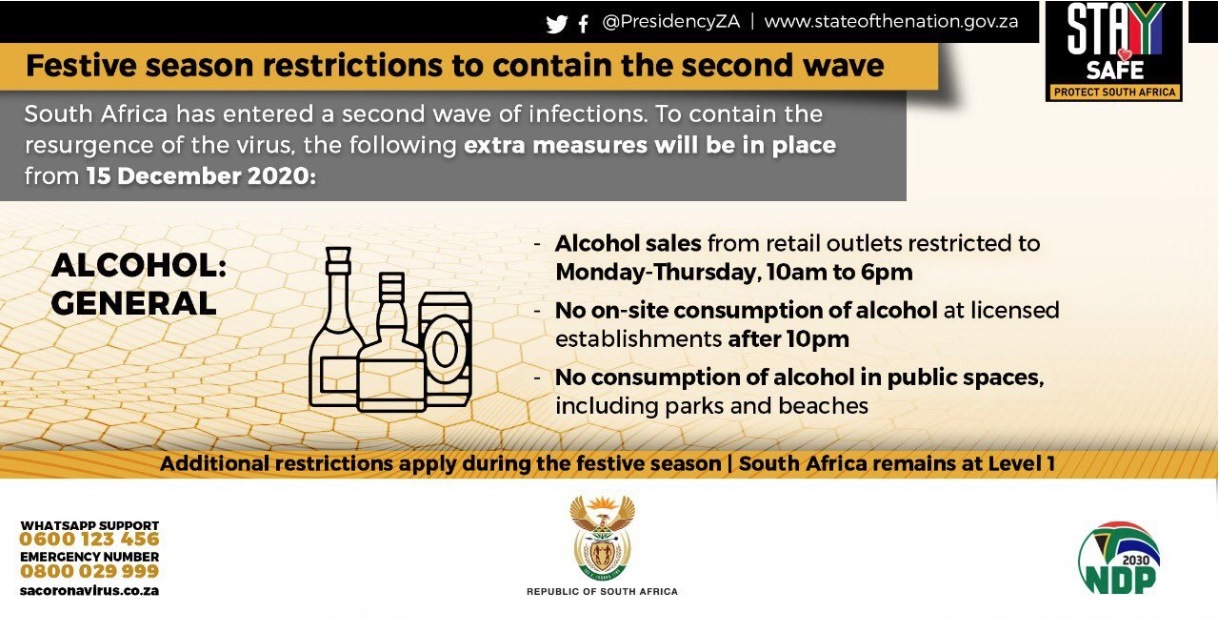
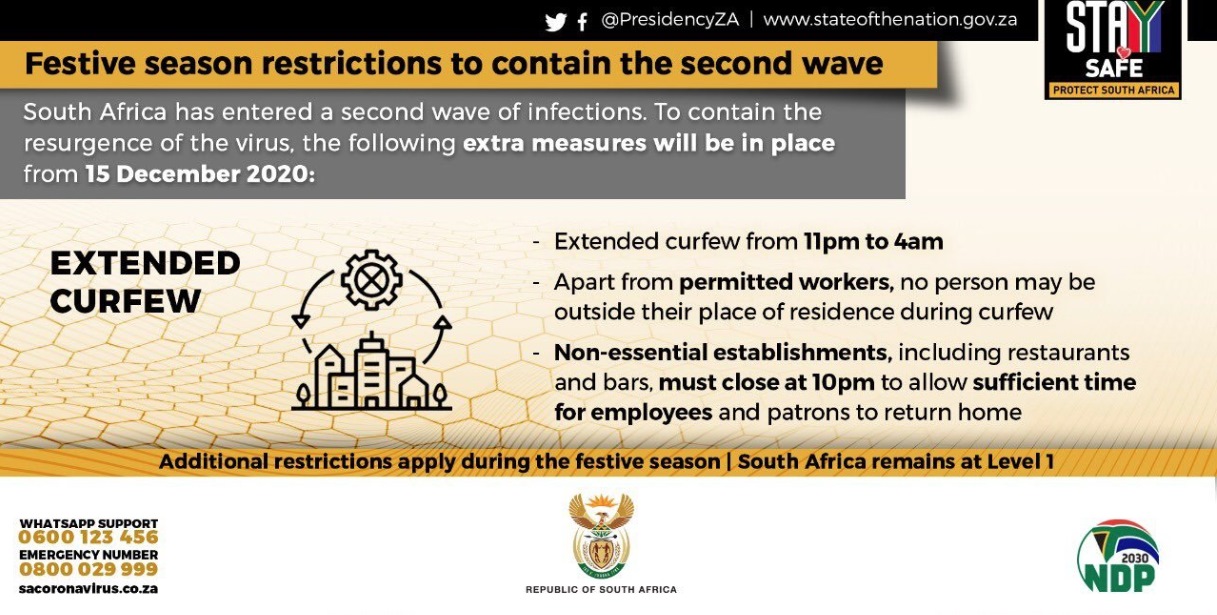
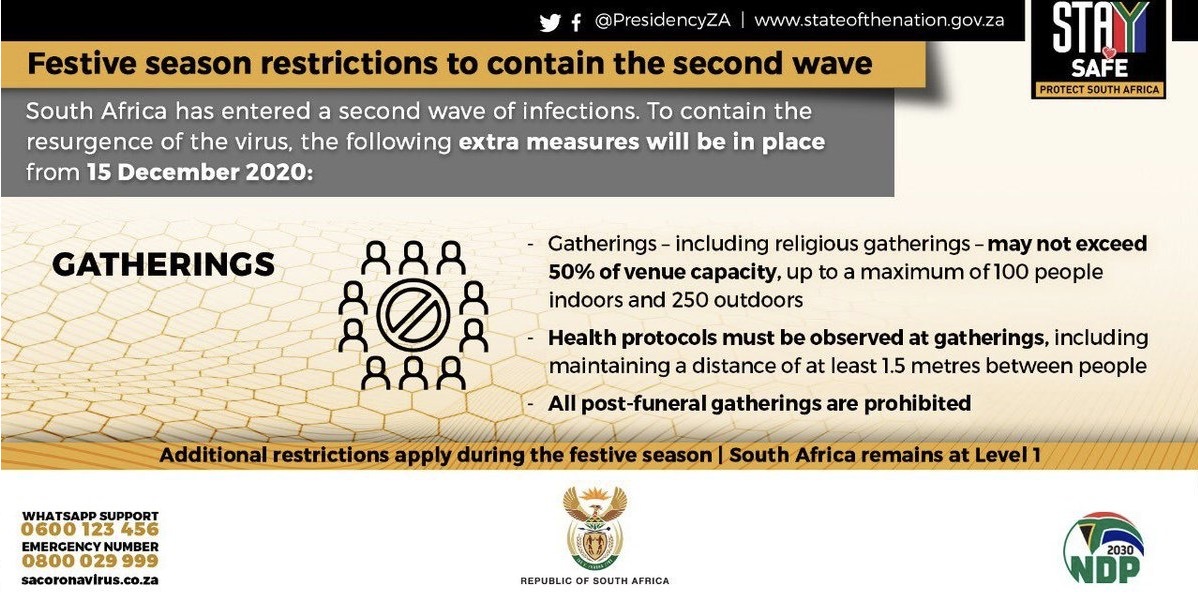
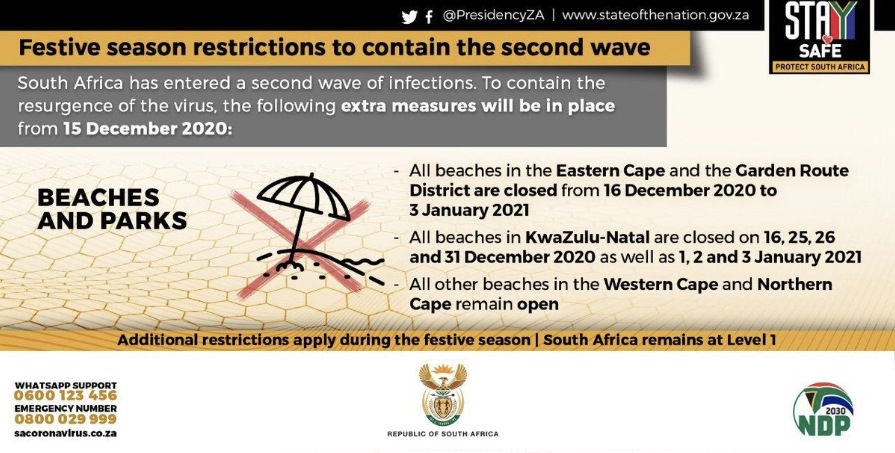 My fellow South Africans,It is just 11 days since I last addressed you.Then I reported on the signs of a resurgence of coronavirus infections in various parts of the country.On that day, the 3rd of December, our country recorded over 4,400 new cases.
Yesterday, the 13th of December, we recorded nearly 8,000 new cases.
The cumulative number of confirmed coronavirus cases in South Africa now stands at 866,127.
These figures are a cause for great concern.
There can no longer be any doubt – the country has entered a second wave of coronavirus infections.Given the rate at which new cases have grown over the last two weeks, there is every possibility that if we do not act urgently and if we do not act together, the second wave will be more severe than the first wave.The daily average of new cases nationally over the last 7 days is 74% higher than the previous 7 days.In this time, the number of new cases has increased from a daily average of around 3,800 to just over 6,600 a day.The daily average of COVID-19 deaths has increased by nearly 50% over the same period from just over 100 deaths a day to just over 150 deaths.The four provinces that are leading the second wave are Eastern Cape, Western Cape, KwaZulu-Natal and Gauteng.For the first time in this pandemic, most of the new infections are among young people, particularly those in the age group of 15 to 19 years.There are probably many reasons for this massive spike in infections, but some key contributors are now becoming clearer.Gatherings – especially social gatherings and parties – are the largest source of outbreaks.In many of these gatherings, social distancing is not being observed, venues are crowded and not adequately ventilated, hand sanitiser is not readily available, and people are not wearing masks.Many people consume alcoholic drinks at these ‘super-spreader’ events, with the result that people become less careful about taking measures to protect themselves and prevent infection.The recent post-matric Rage Festival event in Ballito is a harsh reminder of how dangerous large gatherings can be.We now know that nearly 1,000 young people from Gauteng who attended the event have tested positive for the coronavirus. What we don’t yet know is how many more people each of them has infected.It is said that up to 300 families could in turn have been infected.The sad truth about this pandemic is that festivals, concerts and parties – which should be occasions for fun and joy – are proving to be sources of infection and illness, and may even lead to deaths.Another factor in the rise in infections is increased travel.Many people do not observe prevention measures as they move within cities, towns and rural areas, and between different areas.We have to recognise that the more we travel, the greater the potential for the spread of the virus.That means wearing a mask when you are in public transport and making sure that the windows are open at all times.It also means reducing the number of people that you spend time with if you are travelling to visit family and friends in other parts of the country.It is safer to socialise with your immediate family than with large gatherings that could cause the virus to spread.More broadly, the massive rise in infections is the result of people not observing basic – and easy to follow – practices.These measures are particularly important as transmission is often caused by people who are infected but are not yet showing symptoms, if they develop symptoms at all, and may not even know they have the virus.The relatively low rates of infection over the last few months have made us more relaxed about wearing a mask over our nose and mouth every time we go out in public.We no longer see the point of avoiding crowded venues, or standing more than 1.5 metres from each other, or keeping windows open when travelling on public transport or sanitising commonly used places.We have gotten into the Christmas spirit early and are inviting friends and family over for get-togethers.Yet, it is our failure to closely adhere to all these basic precautions at all times that has brought us to this second wave.These safety precautions may not seem important until someone you love has been infected with the virus because of your own carelessness.The festive season now poses the greatest threat to the health and well-being of our nation.It poses the greatest threat also to the recovery of our economy.This is because the festive season is traditionally a time of gatherings, of travel, of meeting friends and family, and of relaxing after a difficult and stressful year.In these respects, the festive season is very much like the Easter period.It is worth remembering that during Easter this year, we were able to limit the number of infections because we all remained disciplined, we all observed the restrictions and we all adhered to the basic health measures.In this regard, we recognise the sacrifices that churches made by suspending Easter services, and indeed the contribution that all faiths have made throughout the year to preserving life.Just as we did during Easter, we need to once again adhere to the basic health protocols.If we do not do things differently this festive season, we will greet the new year not with joy, but with sorrow.Many of our friends, relatives and co-workers will be infected, some will get severely ill and some, tragically, will die.Unless we do things differently, this will be the last Christmas for many, many South Africans.This is certainly what we don’t want. We all want to live and let our loved ones live.It is therefore essential that we take extraordinary measures to contain the second wave and save lives, while working to protect livelihoods.My fellow South Africans,Eleven days ago, we declared Nelson Mandela Bay to be a coronavirus ‘hotspot’ areas, in line with our differentiated approach to the management of the pandemic.There are other municipalities that have also shown a particularly sharp rise in infections.The Minister of Health Dr Zwelini Mkhize has visited these areas and after consultations with various stakeholders, Cabinet has decided to also declare the following two districts as coronavirus hotspots.These are the:– Sarah Baartman District
– Garden Route District This all means that the same additional restrictions that we applied to Nelson Mandela Bay will apply in these districts from midnight tonight and will continue until we see a clear and sustained decline in infections.While these hotspot areas require particular attention, the festive season poses significant risks for the entire country.We have therefore been undertaking consultations in provinces, including at municipal level, on the measures that need to be taken to contain the second wave.There have been extensive deliberations within the National Coronavirus Command Council and the President’s Coordinating Council, which brings representatives of national, provincial and local government together.Based on the recommendations from these meetings, Cabinet has decided that further restrictions need to be imposed nation-wide from midnight tonight.Firstly, we will ensure that there is stricter enforcement of existing alert level 1 restrictions throughout the country during the festive season and beyond.This includes the requirement that drivers and operators of any form of public transport must ensure that all passengers wear a mask.The managers or owners of buildings, places or premises – including retail stores, shopping centres, and government buildings – are obliged by law to ensure that all customers who enter their facilities or buildings wear a mask.An employer must ensure that all employees wear a mask while they perform their duties.This places a responsibility on all owners, managers and employers – and on all of us – to ensure that South Africans are safe whenever they are in any of these places.The responsible individuals who do not ensure compliance with the regulations by their passengers, customers or employees will be liable to a fine or to imprisonment of up to six months.Secondly, we are taking measures to reduce the risk of super-spreading events.The current restrictions on the size of gatherings do not do enough to prevent crowding in the current situation where new cases are rising rapidly.Therefore, gatherings – including religious gatherings – may not be attended by more than 100 people for indoor events and 250 for outdoor events.At all times, and particularly in smaller venues, the total number of people in a venue may not exceed more than 50% of the capacity of the venue.All gatherings must include adequate ventilation, social distancing, wearing of masks and provision of hand-sanitiser.Due to the potential for transmission, all post-funeral gatherings, including ‘after-tears’ parties, are prohibited.One of the greatest challenges we need to confront are the huge crowds that flock to beaches and recreational parks on public holidays over the festive season.We have undertaken extensive consultations on this issue so that we can find an approach that reduces the risk of large-scale transmission while limiting the negative impact on businesses in coastal areas.We have therefore agreed to adopt a differentiated approach, which takes into account the different circumstances in different areas of the country.In the areas with the highest rate of infection, beaches and public parks will be closed for the duration of the festive season from the 16th of December to the 3rd of January.This will apply to all of the Eastern Cape, as well as to the Garden Route district in the Western Cape.In KwaZulu-Natal, beaches and public parks will be closed on what are traditionally the busiest days of the season.These days are the 16th, 25th, 26th and 31st of December 2020 and the 1st, 2nd and 3rd of January 2021.The beaches and public parks of the Northern Cape and the Western Cape – with the exception of the Garden Route – will remain open to the public over the festive season.Festivals, live music, and live performances at beaches are prohibited.Beaches and parks that are open to the public will only be open between 9am and 6pm.The situation will be monitored daily by local authorities to ensure compliance with the regulations on gatherings and the prohibition of alcohol.In instances, where there are large crowds or poor compliance with safety measures, specific beaches and recreational parks will be closed.National and provincial parks and other parks where access control measures and entry limitations are already in place may remain open to the public.This is a most trying situation, which requires constant attention.I have directed that all members of the National Coronavirus Command Council and key personnel should be on standby to ensure constant monitoring and assessment of the situation countrywide.Should the situation deteriorate, further action will be taken to protect our people.The third area of focus over this period is to prevent super-spreader events and reduce the burden on health care services due to irresponsible alcohol consumption.Therefore, the following measures will be implemented:The hours of the curfew will be longer, starting at 11pm and ending at 4am.Non-essential establishments, including restaurants and bars, will have to close at 10pm so that staff and patrons can get home before the enforcement of the curfew.The curfew is meant to prevent gatherings that go on late into the night, while enabling restaurants, bars and taverns to continue to operate and earn an income.We should all remember that the hours of curfew also apply to Christmas Eve and New Year’s Eve. This means that we will all need to make changes to the way in which we celebrate these occasions.The sale of alcohol from retail outlets will only be permitted between 10am and 6pm from Monday to Thursday.Registered wineries and wine farms may continue to offer tastings and wine sales to the public for off-site consumption over weekends. This exception is being made due to the vital contribution of these establishments to the tourism sector in several parts of the country.Alcohol consumption in all public spaces, such as beaches and parks, is strictly forbidden.We will not allow large numbers of people congregating in any one place without proper controls or protocols in place.These festive season restrictions will be reviewed in early January based on the state of the pandemic across the country.My fellow South Africans,In determining our response to the second wave of infections, we have sought to carefully balance the need to save lives and to protect livelihoods.The national lockdown which we imposed at the beginning of the epidemic was designed to delay the spread of the virus so that we could adequately prepare our health system to respond to the rise of infections.At that time, we were not ready to cope with a sudden increase of cases and hospital admissions.We needed to secure adequate equipment and supplies, to make additional space available in our health facilities, to train our healthcare workers and to put in place systems to monitor and respond to trends in the epidemic.A full lockdown was absolutely necessary to delay the epidemic but would not serve the same purpose now.Over the past several months, we have put in place a range of measures to enhance our capacity to respond.Through the hard work of our healthcare workers, public servants, medical experts and scientific advisors, we have marshalled all of our resources to protect the people of South Africa and provide care to those who need it.The measures that we took early in the epidemic, and the actions of every South African, have allowed us to save many lives already.Now, we must protect the gains we have made and work together to contain the second wave.As we have done since the very beginning, we must act based on the best scientific evidence that is available to us.Just as our doctors, nurses and frontline workers are working tirelessly to protect us, we must work tirelessly to protect them.To date, over 38,000 health workers in the public sector have tested positive for coronavirus. Of these, nearly 5,000 were admitted to hospital.Sadly, 391 health workers in the public sector have passed away.As a nation, we owe so much to these brave and dedicated people and to their families, for without them, we would not have come this far.As we confront the second wave of infections, we must do everything we can to support and protect our health workers.Unless we act responsibly now, unless we adhere at all times to the basic precautions that we all know, we will face a bleak new year.Despite the restrictions on many of our regular activities, this season can be both festive and safe.This festive season, I am asking you to keep your celebrations small and to avoid crowds.If you are spending time with other people, I am asking you to do so outside, enjoying the splendid South African summer weather, or at least to make sure that you are in a well-ventilated space.I am asking you to wear a mask that covers your nose and mouth whenever in public, or in the company of people you don’t live with.There is no point wearing a mask on your chin, keeping it in your pocket or lowering it to speak to someone.Remember to regularly wash your hands with soap and water for at least 20 seconds or with sanitiser.Limit your travel as much as possible. And if you have to travel, make sure that you travel safely.If you are going to visit friends and family, limit your number of contacts for at least one week before you travel and try to spend time with only your immediate family or as small a group of people as possible.We know that COVID-19 affects people differently.According to the World Health Organization, most people are likely to develop mild or moderate illness and will recover without hospitalisation.The most common symptoms are fever, dry cough, and tiredness. Less common, but moderate, symptoms are aches and pains, sore throat, and a loss of taste or smell.If you experience these symptoms, then you should isolate yourself from others.If you experience severe symptoms, such as difficulty breathing or shortness of breath, chest pain, loss of speech or movement, you should seek immediate medical attention.Please remember that if you have tested positive for coronavirus or if you have been in close contact with someone who has tested positive, you should immediately isolate yourself from others.As we have said in the past the only viable defence we will have against Covid-19 will be the vaccine.South Africa has concluded all the necessary processes to ensure its participation in the World Health Organization’s COVID-19 Global Vaccine Access Facility.This facility – known as COVAX – pools resources and shares vaccine development risk to ensure equitable access to vaccines when they become available.As part of this facility, it is expected that South Africa will receive initial vaccines to cover 10% of our population in the early part of next year.We are also part of the African Vaccine Acquisition Task Team that is looking at alternative financing mechanisms to secure additional vaccines for African countries beyond COVAX.The Minister of Health is part of this Task Team and is also looking at innovative partnerships with the private sector to ensure that South Africans have access to an effective vaccine that is suitable to our conditions.The next few weeks are going to be a great test of our determination and restraint.This period will require each of us to do things differently to previous years because this year is unlike any other we have lived through before.It will require us to give up some short-lived pleasures to protect ourselves and others, and to ensure that we can enjoy such times together in future years.I am convinced that if we each play our part, if we each follow the few basic precautions, then we can all have a joyful festive season – and, most importantly, we can all have a happy, healthy and prosperous new year.I wish you all a blessed festive season, that you may remain safe and in good health, and that we may welcome in the new year as one united and resolute nation.May God Bless South Africa and protect her people.I thank you.ISSUED BY THE PRESIDENCY OF THE REPUBLIC OF SOUTH AFRICA
My fellow South Africans,It is just 11 days since I last addressed you.Then I reported on the signs of a resurgence of coronavirus infections in various parts of the country.On that day, the 3rd of December, our country recorded over 4,400 new cases.
Yesterday, the 13th of December, we recorded nearly 8,000 new cases.
The cumulative number of confirmed coronavirus cases in South Africa now stands at 866,127.
These figures are a cause for great concern.
There can no longer be any doubt – the country has entered a second wave of coronavirus infections.Given the rate at which new cases have grown over the last two weeks, there is every possibility that if we do not act urgently and if we do not act together, the second wave will be more severe than the first wave.The daily average of new cases nationally over the last 7 days is 74% higher than the previous 7 days.In this time, the number of new cases has increased from a daily average of around 3,800 to just over 6,600 a day.The daily average of COVID-19 deaths has increased by nearly 50% over the same period from just over 100 deaths a day to just over 150 deaths.The four provinces that are leading the second wave are Eastern Cape, Western Cape, KwaZulu-Natal and Gauteng.For the first time in this pandemic, most of the new infections are among young people, particularly those in the age group of 15 to 19 years.There are probably many reasons for this massive spike in infections, but some key contributors are now becoming clearer.Gatherings – especially social gatherings and parties – are the largest source of outbreaks.In many of these gatherings, social distancing is not being observed, venues are crowded and not adequately ventilated, hand sanitiser is not readily available, and people are not wearing masks.Many people consume alcoholic drinks at these ‘super-spreader’ events, with the result that people become less careful about taking measures to protect themselves and prevent infection.The recent post-matric Rage Festival event in Ballito is a harsh reminder of how dangerous large gatherings can be.We now know that nearly 1,000 young people from Gauteng who attended the event have tested positive for the coronavirus. What we don’t yet know is how many more people each of them has infected.It is said that up to 300 families could in turn have been infected.The sad truth about this pandemic is that festivals, concerts and parties – which should be occasions for fun and joy – are proving to be sources of infection and illness, and may even lead to deaths.Another factor in the rise in infections is increased travel.Many people do not observe prevention measures as they move within cities, towns and rural areas, and between different areas.We have to recognise that the more we travel, the greater the potential for the spread of the virus.That means wearing a mask when you are in public transport and making sure that the windows are open at all times.It also means reducing the number of people that you spend time with if you are travelling to visit family and friends in other parts of the country.It is safer to socialise with your immediate family than with large gatherings that could cause the virus to spread.More broadly, the massive rise in infections is the result of people not observing basic – and easy to follow – practices.These measures are particularly important as transmission is often caused by people who are infected but are not yet showing symptoms, if they develop symptoms at all, and may not even know they have the virus.The relatively low rates of infection over the last few months have made us more relaxed about wearing a mask over our nose and mouth every time we go out in public.We no longer see the point of avoiding crowded venues, or standing more than 1.5 metres from each other, or keeping windows open when travelling on public transport or sanitising commonly used places.We have gotten into the Christmas spirit early and are inviting friends and family over for get-togethers.Yet, it is our failure to closely adhere to all these basic precautions at all times that has brought us to this second wave.These safety precautions may not seem important until someone you love has been infected with the virus because of your own carelessness.The festive season now poses the greatest threat to the health and well-being of our nation.It poses the greatest threat also to the recovery of our economy.This is because the festive season is traditionally a time of gatherings, of travel, of meeting friends and family, and of relaxing after a difficult and stressful year.In these respects, the festive season is very much like the Easter period.It is worth remembering that during Easter this year, we were able to limit the number of infections because we all remained disciplined, we all observed the restrictions and we all adhered to the basic health measures.In this regard, we recognise the sacrifices that churches made by suspending Easter services, and indeed the contribution that all faiths have made throughout the year to preserving life.Just as we did during Easter, we need to once again adhere to the basic health protocols.If we do not do things differently this festive season, we will greet the new year not with joy, but with sorrow.Many of our friends, relatives and co-workers will be infected, some will get severely ill and some, tragically, will die.Unless we do things differently, this will be the last Christmas for many, many South Africans.This is certainly what we don’t want. We all want to live and let our loved ones live.It is therefore essential that we take extraordinary measures to contain the second wave and save lives, while working to protect livelihoods.My fellow South Africans,Eleven days ago, we declared Nelson Mandela Bay to be a coronavirus ‘hotspot’ areas, in line with our differentiated approach to the management of the pandemic.There are other municipalities that have also shown a particularly sharp rise in infections.The Minister of Health Dr Zwelini Mkhize has visited these areas and after consultations with various stakeholders, Cabinet has decided to also declare the following two districts as coronavirus hotspots.These are the:– Sarah Baartman District
– Garden Route District This all means that the same additional restrictions that we applied to Nelson Mandela Bay will apply in these districts from midnight tonight and will continue until we see a clear and sustained decline in infections.While these hotspot areas require particular attention, the festive season poses significant risks for the entire country.We have therefore been undertaking consultations in provinces, including at municipal level, on the measures that need to be taken to contain the second wave.There have been extensive deliberations within the National Coronavirus Command Council and the President’s Coordinating Council, which brings representatives of national, provincial and local government together.Based on the recommendations from these meetings, Cabinet has decided that further restrictions need to be imposed nation-wide from midnight tonight.Firstly, we will ensure that there is stricter enforcement of existing alert level 1 restrictions throughout the country during the festive season and beyond.This includes the requirement that drivers and operators of any form of public transport must ensure that all passengers wear a mask.The managers or owners of buildings, places or premises – including retail stores, shopping centres, and government buildings – are obliged by law to ensure that all customers who enter their facilities or buildings wear a mask.An employer must ensure that all employees wear a mask while they perform their duties.This places a responsibility on all owners, managers and employers – and on all of us – to ensure that South Africans are safe whenever they are in any of these places.The responsible individuals who do not ensure compliance with the regulations by their passengers, customers or employees will be liable to a fine or to imprisonment of up to six months.Secondly, we are taking measures to reduce the risk of super-spreading events.The current restrictions on the size of gatherings do not do enough to prevent crowding in the current situation where new cases are rising rapidly.Therefore, gatherings – including religious gatherings – may not be attended by more than 100 people for indoor events and 250 for outdoor events.At all times, and particularly in smaller venues, the total number of people in a venue may not exceed more than 50% of the capacity of the venue.All gatherings must include adequate ventilation, social distancing, wearing of masks and provision of hand-sanitiser.Due to the potential for transmission, all post-funeral gatherings, including ‘after-tears’ parties, are prohibited.One of the greatest challenges we need to confront are the huge crowds that flock to beaches and recreational parks on public holidays over the festive season.We have undertaken extensive consultations on this issue so that we can find an approach that reduces the risk of large-scale transmission while limiting the negative impact on businesses in coastal areas.We have therefore agreed to adopt a differentiated approach, which takes into account the different circumstances in different areas of the country.In the areas with the highest rate of infection, beaches and public parks will be closed for the duration of the festive season from the 16th of December to the 3rd of January.This will apply to all of the Eastern Cape, as well as to the Garden Route district in the Western Cape.In KwaZulu-Natal, beaches and public parks will be closed on what are traditionally the busiest days of the season.These days are the 16th, 25th, 26th and 31st of December 2020 and the 1st, 2nd and 3rd of January 2021.The beaches and public parks of the Northern Cape and the Western Cape – with the exception of the Garden Route – will remain open to the public over the festive season.Festivals, live music, and live performances at beaches are prohibited.Beaches and parks that are open to the public will only be open between 9am and 6pm.The situation will be monitored daily by local authorities to ensure compliance with the regulations on gatherings and the prohibition of alcohol.In instances, where there are large crowds or poor compliance with safety measures, specific beaches and recreational parks will be closed.National and provincial parks and other parks where access control measures and entry limitations are already in place may remain open to the public.This is a most trying situation, which requires constant attention.I have directed that all members of the National Coronavirus Command Council and key personnel should be on standby to ensure constant monitoring and assessment of the situation countrywide.Should the situation deteriorate, further action will be taken to protect our people.The third area of focus over this period is to prevent super-spreader events and reduce the burden on health care services due to irresponsible alcohol consumption.Therefore, the following measures will be implemented:The hours of the curfew will be longer, starting at 11pm and ending at 4am.Non-essential establishments, including restaurants and bars, will have to close at 10pm so that staff and patrons can get home before the enforcement of the curfew.The curfew is meant to prevent gatherings that go on late into the night, while enabling restaurants, bars and taverns to continue to operate and earn an income.We should all remember that the hours of curfew also apply to Christmas Eve and New Year’s Eve. This means that we will all need to make changes to the way in which we celebrate these occasions.The sale of alcohol from retail outlets will only be permitted between 10am and 6pm from Monday to Thursday.Registered wineries and wine farms may continue to offer tastings and wine sales to the public for off-site consumption over weekends. This exception is being made due to the vital contribution of these establishments to the tourism sector in several parts of the country.Alcohol consumption in all public spaces, such as beaches and parks, is strictly forbidden.We will not allow large numbers of people congregating in any one place without proper controls or protocols in place.These festive season restrictions will be reviewed in early January based on the state of the pandemic across the country.My fellow South Africans,In determining our response to the second wave of infections, we have sought to carefully balance the need to save lives and to protect livelihoods.The national lockdown which we imposed at the beginning of the epidemic was designed to delay the spread of the virus so that we could adequately prepare our health system to respond to the rise of infections.At that time, we were not ready to cope with a sudden increase of cases and hospital admissions.We needed to secure adequate equipment and supplies, to make additional space available in our health facilities, to train our healthcare workers and to put in place systems to monitor and respond to trends in the epidemic.A full lockdown was absolutely necessary to delay the epidemic but would not serve the same purpose now.Over the past several months, we have put in place a range of measures to enhance our capacity to respond.Through the hard work of our healthcare workers, public servants, medical experts and scientific advisors, we have marshalled all of our resources to protect the people of South Africa and provide care to those who need it.The measures that we took early in the epidemic, and the actions of every South African, have allowed us to save many lives already.Now, we must protect the gains we have made and work together to contain the second wave.As we have done since the very beginning, we must act based on the best scientific evidence that is available to us.Just as our doctors, nurses and frontline workers are working tirelessly to protect us, we must work tirelessly to protect them.To date, over 38,000 health workers in the public sector have tested positive for coronavirus. Of these, nearly 5,000 were admitted to hospital.Sadly, 391 health workers in the public sector have passed away.As a nation, we owe so much to these brave and dedicated people and to their families, for without them, we would not have come this far.As we confront the second wave of infections, we must do everything we can to support and protect our health workers.Unless we act responsibly now, unless we adhere at all times to the basic precautions that we all know, we will face a bleak new year.Despite the restrictions on many of our regular activities, this season can be both festive and safe.This festive season, I am asking you to keep your celebrations small and to avoid crowds.If you are spending time with other people, I am asking you to do so outside, enjoying the splendid South African summer weather, or at least to make sure that you are in a well-ventilated space.I am asking you to wear a mask that covers your nose and mouth whenever in public, or in the company of people you don’t live with.There is no point wearing a mask on your chin, keeping it in your pocket or lowering it to speak to someone.Remember to regularly wash your hands with soap and water for at least 20 seconds or with sanitiser.Limit your travel as much as possible. And if you have to travel, make sure that you travel safely.If you are going to visit friends and family, limit your number of contacts for at least one week before you travel and try to spend time with only your immediate family or as small a group of people as possible.We know that COVID-19 affects people differently.According to the World Health Organization, most people are likely to develop mild or moderate illness and will recover without hospitalisation.The most common symptoms are fever, dry cough, and tiredness. Less common, but moderate, symptoms are aches and pains, sore throat, and a loss of taste or smell.If you experience these symptoms, then you should isolate yourself from others.If you experience severe symptoms, such as difficulty breathing or shortness of breath, chest pain, loss of speech or movement, you should seek immediate medical attention.Please remember that if you have tested positive for coronavirus or if you have been in close contact with someone who has tested positive, you should immediately isolate yourself from others.As we have said in the past the only viable defence we will have against Covid-19 will be the vaccine.South Africa has concluded all the necessary processes to ensure its participation in the World Health Organization’s COVID-19 Global Vaccine Access Facility.This facility – known as COVAX – pools resources and shares vaccine development risk to ensure equitable access to vaccines when they become available.As part of this facility, it is expected that South Africa will receive initial vaccines to cover 10% of our population in the early part of next year.We are also part of the African Vaccine Acquisition Task Team that is looking at alternative financing mechanisms to secure additional vaccines for African countries beyond COVAX.The Minister of Health is part of this Task Team and is also looking at innovative partnerships with the private sector to ensure that South Africans have access to an effective vaccine that is suitable to our conditions.The next few weeks are going to be a great test of our determination and restraint.This period will require each of us to do things differently to previous years because this year is unlike any other we have lived through before.It will require us to give up some short-lived pleasures to protect ourselves and others, and to ensure that we can enjoy such times together in future years.I am convinced that if we each play our part, if we each follow the few basic precautions, then we can all have a joyful festive season – and, most importantly, we can all have a happy, healthy and prosperous new year.I wish you all a blessed festive season, that you may remain safe and in good health, and that we may welcome in the new year as one united and resolute nation.May God Bless South Africa and protect her people.I thank you.ISSUED BY THE PRESIDENCY OF THE REPUBLIC OF SOUTH AFRICADeliver your best, don’t hide your potential.

Have you ever been confronted with a task where you intentionally held back your effort in an attempt to hide your true potential. Don’t worry, I get it. We have all done this at some stage in our lives and will continue to do so daily. It’s natural and there is a good reason we do this.I would like to advise you against this behaviour. Let’s look at a few examples. Firstly we start with over thinking. You play out doing the task in your mind so many times that you lose interest in delivering your best. This is detrimental and could lead to anxiety and poor performance in other aspects of your life. Try to avoid it as far as you possibly can. Think about how to do the task and the effort required, then just begin. If you get trapped in thinking too much then you unknowingly make the task far more complex than it needs to be.
 Then comes reward vs effort. You feel that the compensation for your effort is not worth it. You then deliver poor quality work or work equivalent to the compensation. This would normally not be your best work. You can’t expect top product for bottom dollar, right? Unfortunately there are many business owners and companies out there that attempt this manoeuvre to get cheap labour. Before I go any further understand this. If you are an underperforming and maliciously negative employee then keep moving on, this is not for you.Anyway, you will know when your best efforts are poorly rewarded. If you have delivered your best work for poor compensation then you may feel trapped. You set your standard of your work so high that you complete 2 to 3 people’s work. You also save your employer quite a bit of money. My friend, you are on the right track. Get some outside advice and keep doing you. There is light at the end of the tunnel and employers willing to fight for you.
 Then for our friends in the service delivery industry and freelance folk. I know what it is like delivering your absolute best product only to have someone short pay you or expect even more than you originally agreed upon. (at the same price!) Delivering your best product remains a priority because your name means everything. It is an unfortunate truth that you will get burnt from time to time but the positive gain will always outweigh the loss. With your focus continuously being on delivering the best product, you will learn new skills and understand what the time wasters are. This helps you cut the unprofitable service offerings and define your craft even further. I get excited for you by only mentioning it. This concept applies to many other industries and several daily social interactions we have. A truth that I want you to remember is that you are remembered for what you deliver. This expectation is further escalated by you making a statement of what you are capable of delivering. Make a name for yourself as one of the best. From your words to your work. See your future change for the better. It is in your hands. Delivering your best can set you apart from the rest.
 Firstly we start with over thinking. You play out doing the task in your mind so many times that you lose interest in delivering your best. This is detrimental and could lead to anxiety and poor performance in other aspects of your life. Try to avoid it as far as you possibly can. Think about how to do the task and the effort required, then just begin. If you get trapped in thinking too much then you unknowingly make the task far more complex than it needs to be.
 Then comes reward vs effort. You feel that the compensation for your effort is not worth it. You then deliver poor quality work or work equivalent to the compensation. This would normally not be your best work. You can’t expect top product for bottom dollar, right? Unfortunately there are many business owners and companies out there that attempt this manoeuvre to get cheap labour. Before I go any further understand this. If you are an underperforming and maliciously negative employee then keep moving on, this is not for you.
 Anyway, you will know when your best efforts are poorly rewarded. If you have delivered your best work for poor compensation then you may feel trapped. You set your standard of your work so high that you complete 2 to 3 people’s work. You also save your employer quite a bit of money. My friend, you are on the right track. Get some outside advice and keep doing you. There is light at the end of the tunnel and employers willing to fight for you.
 Then for our friends in the service delivery industry and freelance folk. I know what it is like delivering your absolute best product only to have someone short pay you or expect even more than you originally agreed upon. (at the same price!) Delivering your best product remains a priority because your name means everything. It is an unfortunate truth that you will get burnt from time to time but the positive gain will always outweigh the loss. With your focus continuously being on delivering the best product, you will learn new skills and understand what the time wasters are. This helps you cut the unprofitable service offerings and define your craft even further. I get excited for you by only mentioning it.
  This concept applies to many other industries and several daily social interactions we have. A truth that I want you to remember is that you are remembered for what you deliver. This expectation is further escalated by you making a statement of what you are capable of delivering. Make a name for yourself as one of the best. From your words to your work. See your future change for the better. It is in your hands. Delivering your best can set you apart from the rest.
 Driving licences’ validity extended to August 2021
Please note that learner’s licences, driving licences, temporary driver’s licences and professional driving permits that expired between 26 March 2020 and 31 December 2020 are now deemed valid and validity is extended for a further grace period ending 31 August 2021.The above was published in the Government Gazette of 3 December 2020.The George Traffic Department Offices, Driving and Learners Licences department in Mission Street, Pacaltsdorp are open to the public Monday to Friday 8am-3pm unless otherwise announced due to Covid-19 related measures.The department is open for new appointments for learner’s licences as per usual rules (see Driving and Learners Licence section on website for details).
Pick-up times for newly issued driving licences from the Pacaltsdorp offices are from Monday to Friday 8am-3pm, except if your confirmation SMS indicates a Saturday collection opportunity. Please bring your ID document and show the SMS to the official at the entrance.If your driving or learners’ licence test was cancelled during lockdown or because of offices being closed due to Covid-19 measures, you will receive an SMS with a new date and time. Please phone 044 878 2400 if you have not received an SMS within 20 days from your previous appointment.Distributed by George Municipality Communication Department