
GEORGE MUNICIPALITY DAM WATER UPDATE: 19 May 2021

Dam level: 100% (unchanged since last week)Estimated level at new dam wall height: 85,72% (up from 83,48%)Rainfall since 13 May 2021: 20mmDemand/usage: 30,128 megalitres(Please note the dam level indication is based on the spillway and dam wall height before it was raised, the latter is the new unofficial estimation based on preliminary calculations ahead of re-callibration of the dam. Re-calibration has commenced and is dependent on several factors. Adjusted official readings will be implemented and reported once new capacity has been confirmed, the time period of this is unknown).Section 2B water restrictions for George have been lifted by Council on 25 March 2021, but implemented for Uniondale.Uniondale water restrictions details on https://www.george.gov.za/civil-engineering/water/Report water leaks and burst pipes to 044 801 9262/66 or after hours at 044 801 6300, as soon as you notice them.
Shackbuilder in Groot-Brak
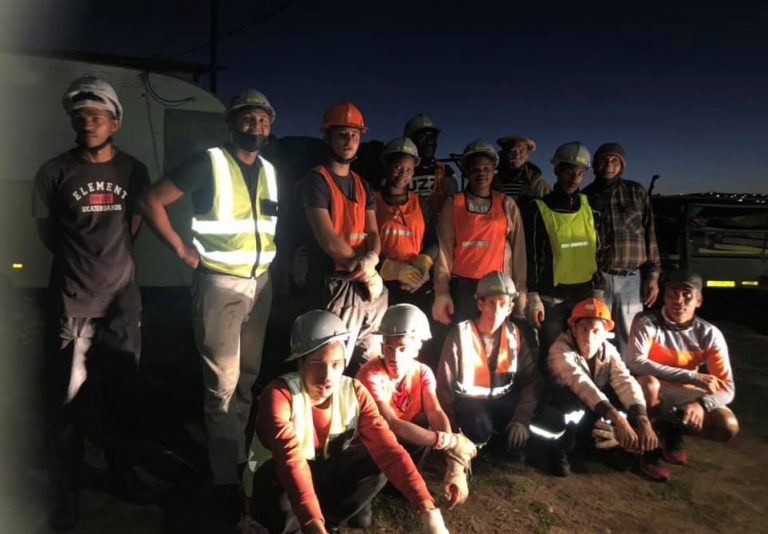
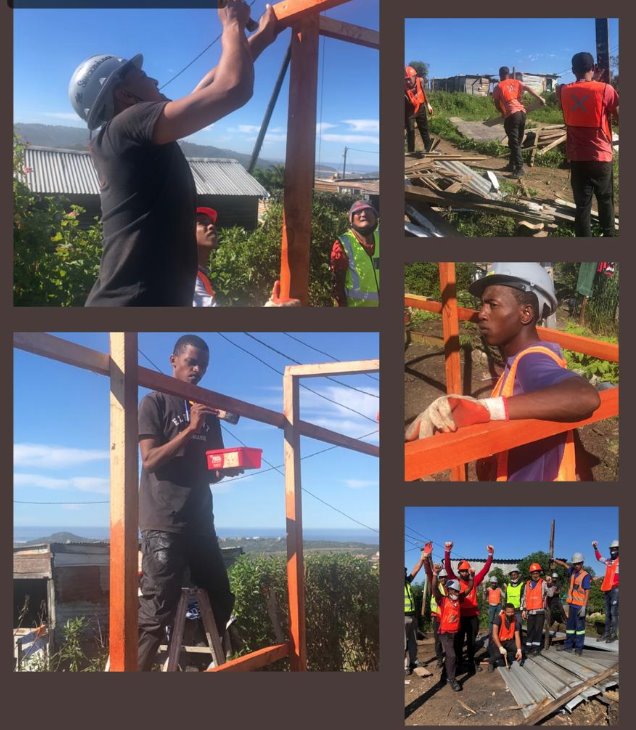
Dit is voor 6 ….. pikdonker en koud ….. die jongmanne sing in die shower ….. Hulle het vroegoggend gaan hardloop by Suiderkruis in Groot Brakrivier. Jongmanne en vroue wat tipeer word as “werkloos” volgens die stats van die land. Hierdie is anders – alle jeug soek die geleentheid – net n geleentheid.  Binne twee weke hoor ons weer die sane-gesang van wat ons moet doen vir die jeug. Ons weet wat hulle moet doen en wat gedoen moet word. Opleiding en n geleentheid. Hulle wil bou en die land en gemeenskap n beter plek maak. Hulle is vreesloos – energiek – gewillig – hulle is great kids. Hulle is onverskrokke in wat hulle doen – Bouers van n beter lewe – Shackbouers. Paraat soos hulle in die Oggend gereed maak om te gaan bou. Gister laat middag hoor Ek een van hulle sê: Ouma môre bou is klaar – Ouma moet nog die dubbel bed Sien wat ons gaan insit – twee groot vensters met n tralie vir Ouma”. Hulle is super great jongmense – goeie en mooi harte – hulle bou die land. Groetnis vanuit n koue Brak.Quinton Adams
ShackbuilderVolg Quinton op Facebook
Binne twee weke hoor ons weer die sane-gesang van wat ons moet doen vir die jeug. Ons weet wat hulle moet doen en wat gedoen moet word. Opleiding en n geleentheid. Hulle wil bou en die land en gemeenskap n beter plek maak. Hulle is vreesloos – energiek – gewillig – hulle is great kids. Hulle is onverskrokke in wat hulle doen – Bouers van n beter lewe – Shackbouers. Paraat soos hulle in die Oggend gereed maak om te gaan bou. Gister laat middag hoor Ek een van hulle sê: Ouma môre bou is klaar – Ouma moet nog die dubbel bed Sien wat ons gaan insit – twee groot vensters met n tralie vir Ouma”. Hulle is super great jongmense – goeie en mooi harte – hulle bou die land. Groetnis vanuit n koue Brak.Quinton Adams
ShackbuilderVolg Quinton op Facebook Two Days Left ….. Please Support and Thanks to the People who have supported thus far.Our Lucky Draw Competition in Support for The Backyard Varsity Field Trip to Great Brakrivier.
 Binne twee weke hoor ons weer die sane-gesang van wat ons moet doen vir die jeug. Ons weet wat hulle moet doen en wat gedoen moet word. Opleiding en n geleentheid. Hulle wil bou en die land en gemeenskap n beter plek maak. Hulle is vreesloos – energiek – gewillig – hulle is great kids. Hulle is onverskrokke in wat hulle doen – Bouers van n beter lewe – Shackbouers. Paraat soos hulle in die Oggend gereed maak om te gaan bou. Gister laat middag hoor Ek een van hulle sê: Ouma môre bou is klaar – Ouma moet nog die dubbel bed Sien wat ons gaan insit – twee groot vensters met n tralie vir Ouma”. Hulle is super great jongmense – goeie en mooi harte – hulle bou die land. Groetnis vanuit n koue Brak.Quinton Adams
ShackbuilderVolg Quinton op Facebook
Binne twee weke hoor ons weer die sane-gesang van wat ons moet doen vir die jeug. Ons weet wat hulle moet doen en wat gedoen moet word. Opleiding en n geleentheid. Hulle wil bou en die land en gemeenskap n beter plek maak. Hulle is vreesloos – energiek – gewillig – hulle is great kids. Hulle is onverskrokke in wat hulle doen – Bouers van n beter lewe – Shackbouers. Paraat soos hulle in die Oggend gereed maak om te gaan bou. Gister laat middag hoor Ek een van hulle sê: Ouma môre bou is klaar – Ouma moet nog die dubbel bed Sien wat ons gaan insit – twee groot vensters met n tralie vir Ouma”. Hulle is super great jongmense – goeie en mooi harte – hulle bou die land. Groetnis vanuit n koue Brak.Quinton Adams
ShackbuilderVolg Quinton op Facebook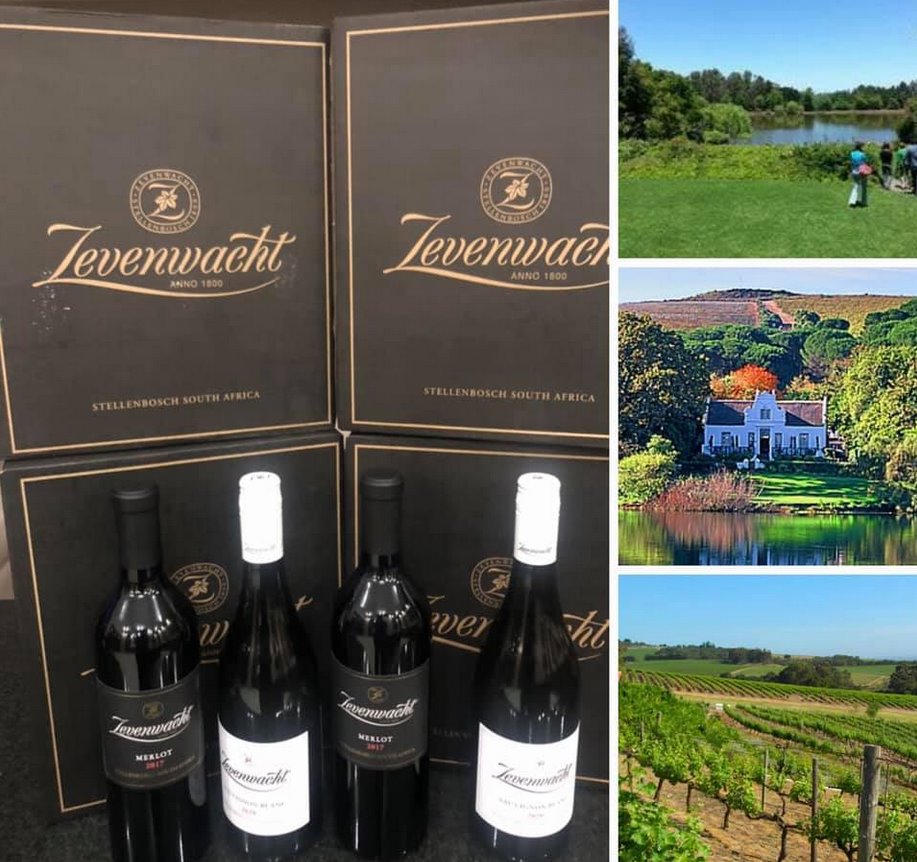 Two Days Left ….. Please Support and Thanks to the People who have supported thus far.Our Lucky Draw Competition in Support for The Backyard Varsity Field Trip to Great Brakrivier.
We have received a donation of two Boxes of Wine from Zevenwacht Wine Estate:
The Price:
4 Boxes of Wine Zevenwacht Wine Estate:
12 Bottles of Sauvignon Blanc 2020 Zevenwacht
12 Bottles of Merlot 2017 Zevenwacht.
Donation: R100. The Draw will take place on the 21st of May
Find the banking details below.
Banking Details:The Shackbuilder NPC
Bank: Nedbank Acc: 1178396819
Branch: 198765. Type: Current Account
Much Appreciation
Quinton Adams
3 Amigos Mossel Bay to George Relay Challenge.
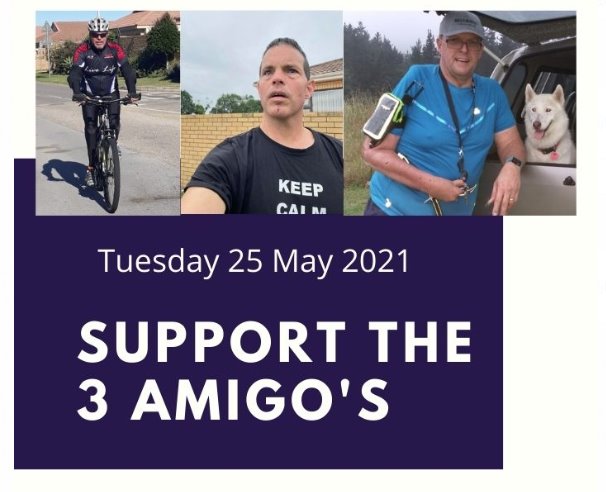
Three challenged athletes, one goal.
On the 25th May 2021 at 07h00, three people living with disabilities will attempt to build a “Bridge” between Mossel Bay and George by participating in a three man relay.
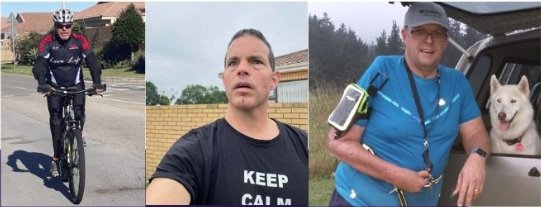
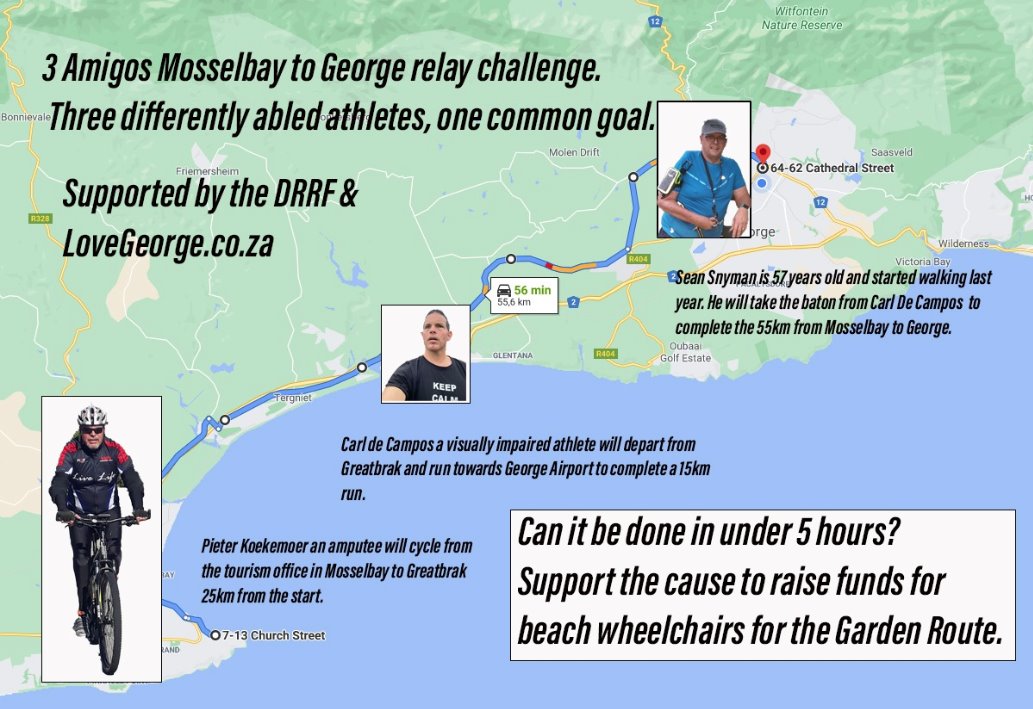
Pieter Koekemoer a police officer in the service of the Mossel Bay SAPS who is an amputee with his right leg being removed from just below the knee will cycle from the tourist office in Mossel Bay to Greatbrak. A distance of 25km.
Carl De Campos, a visually impaired athlete will then take over the reigns where upon he will run 15km on the back roads past Glentana towards the Airport for the next 15km.
Sean Snyman, a 57 year old with a brachial plexus of the right arm which is no longer operational will complete the trio will take over the baton and complete the 55km course.
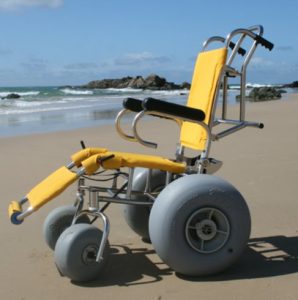
The aim of this challenge which will take place on Africa day is to show case the tenacity of people living with disabilities and also to raise funds for beach wheelchairs to be used in both towns allowing wheelchair users the opportunity to experience the sea which up until now has not been possible. These wheelchairs are expensive and cost approximately R60 000 each and we would like to see at least 2 in the District but more would be better. They will also be carrying a message from the Mossel Bay to George committing to creating a better environment for people living with disabilities and creating the preferred destination for them through acknowledging the right to Universal Accessibility.
We are appealing to you as individuals, companies and organizations to help us realize this dream by pledging your support in this document but also by committing to a donation which will be used for this cause.
The Disabled Road Race Foundation has offered to assist us with the fund collection with the following banking details.
Disabled Road Race Foundation
Current Account
Account number 2506031006
Branch Code 198765
Swift Code NEDSZAJJ
Reference 3 Amigos Relay Challenge email
Proof of payment to business@bip2965.co.za
Please take the liberty of sharing this link to all your friends and family not to mention businesses that you believe will get behind this project.
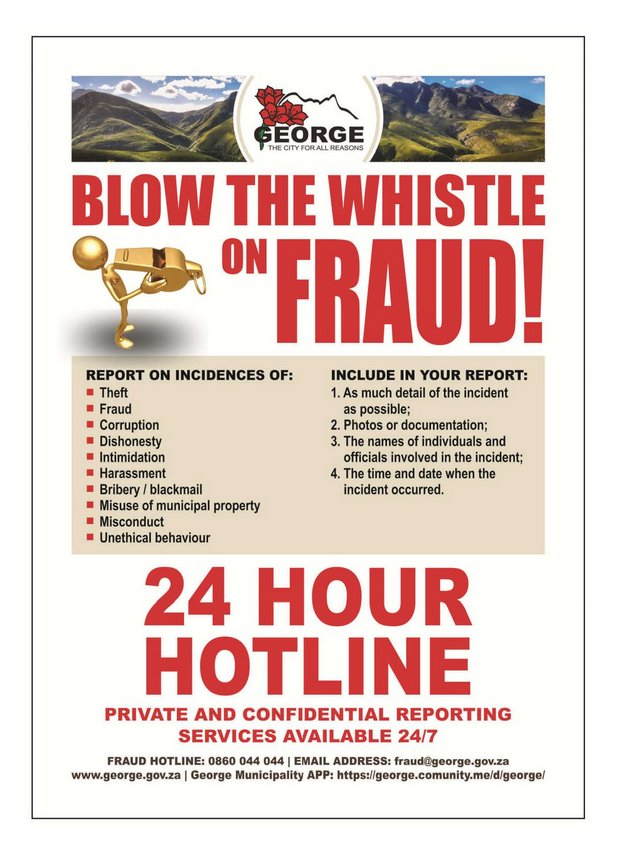
Report Fraud Process

The George Municipality is starting a series on FRAUD on their Social media pages. We will be following it and report it on LoveGeorgeNEWS.FRAUD ALERT: Introduction to our upcoming series of fraud alerts and facts
George Municipality is committed to develop and foster a climate where all employees and councillors strive for the ultimate eradication of fraud, corruption, theft and maladministration.
Criminal and other irregular conduct within George Municipality is detrimental to good, effective, accountable and transparent governance and can endanger the economic stability of the municipality and have the potential to cause social damage.
George Municipality is launching a series of fraud alerts and fraud strategies to all employees, councillors and the public. Look out for our upcoming Fraud Facts, Ethics Questionnaires, Training and Educational Campaigns.
FRAUD FACT #: Did you know that a Whistleblower is protected under the Protected Disclosures Act, 26 of 2000. Any disclosure made in good faith and substantially in accordance with any procedure prescribed by the staff’s employer for reporting is considered a protected disclosure under this act. A staff member making such a disclosure is protected from being subjected to an occupational damage on account of having made a protected disclosure.
Communication procedures for George Municiality
PUBLIC NOTICE: CONTACT US / KONTAK ONS / QHAGAMSHELANA NATHI
Issued George Municipality
George Municipality has noted that the public is either emailing or WhatsApping individual officials directly with their queries and complaints. We kindly request that the formal procedure set up for queries and complaints is followed instead, so that the query or fault is officially acknowledged and logged on our internal online system which generates a reference number. Emailing or WhatsApping individuals can lead to delays in the query or complaints being allocated to the correct directorate for action and response. Without a reference number, it becomes problematic to ensure that the query or fault has been resolved adequately.
Please direct all EMAIL CORRESPONDENCE to the George Municipality on the EMAIL ADDRESS gmun@george.gov.za or use one of the dedicated email addresses listed below if applicable to your fault or query. The EMAIL ADDRESS gmun@george.gov.za is manned during working hours and your email will be received, acknowledged, and redirected to the correct Directorate for response and/or action. Please ensure that you include your contact details as well as full details of your query and/or complaint.
George Municipality has formal procedures in place to assist our residents with logging complaints and/or faults. Please see details below.
CONTACT NUMBERS
· Switchboard: 044 801 9111
· Municipal Emergencies: 044 801 6300 (24/7)
· FIRE Emergencies Only: 044 801 6311 (24/7)
· Report Fraud: 0860 044 044
· GO GEORGE Call Centre: 0800 044 044
DEDICATED EMAIL ADDRESSES
Human Resources: HRAdmin@george.gov.za
Account Queries: accounts@george.gov.za.
Meter Readings: meterreadings@george.gov.za.
Proof of Payment: payments@george.gov.za
Tourism: info@visitgeorge.co.za
Land use applications: town.planning.application@george.gov.za
Town Planning Complaints: town.planning.complaints@george.gov.za
Building Control Complaints: building.control.complaints@george.gov.za
Motor Vehicle Registration: mvr@george.gov.za
Supply Chain Management: scm@george.gov.za
Report Fraud: fraud@george.gov.za
GO GEORGE: info@gogeorge.org.za
HOW DO I REPORT A FAULT?
1. Online Reporting via Municipal APP.
2. Phone in via 044 8019111 to the relevant department and request a reference number.
3. Email to gmun@george.gov.za with all details and request a reference number. Provide a clear description of fault, address details and contact details of resident if possible.
4. Visit our Area offices – coordinators will log faults and generate a reference number on your behalf.REPORT A FAULT ON THE APP
You can log complaints and get municipal news updates on the George Municipality Mobile Application. Follow this link, which will take you to the place where you can download the George Municipality Application (App) on your phone or computer (as long as it can connect to the internet).
WALK IN AREA OFFICES
Area offices are open to the public on weekdays 8am-4.30pm.
Services available include reporting essential services faults such as water and electricity problems, all other municipal complaints, account enquiries, indigent
applications, housing waiting list enquiries, property valuation roll queries and general inquiries:
Blanco: 044 803 9275
Conville: 044 803 9261
Pacaltsdorp: 044 803 9286
Protea Park: 044 801 9111 extension 2796
(Tuesday, Thursday)
New Dawn Park: 044 801 9111 extension 2797
Rosedale: 044 803 9295
Rosemoor: 044 801 9379 (Monday, Wednesday, Friday)
Touwsranten/Wilderness/Kleinkrantz: 044 803 9280
Thembalethu: 044 801 9448
GO GEORGE Smart Card Kiosks
05:00 – 20:00, 7 days a week
Located at George Transport Hub in Cradock Street;
York Street, next to Civic Centre;
Garden Route Mall ;
Blanco triangle
GO GEORGE Info Kiosk at Transport Hub: Mon – Fri 08:00 – 17:00
Honda Africa Twin – ‘n Langtermyn ervaring.
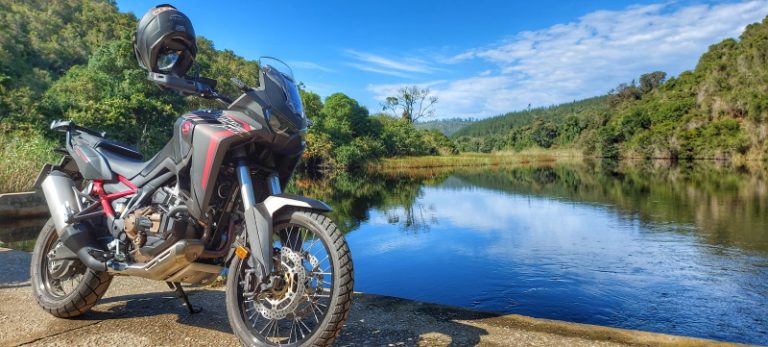
Om ‘n legende te laat herleef is nie maklik nie. Die dag wat Michael Schumacher se seun, Mick, op die wegspring streep in ‘n Formule 1 motor sit sal hy nie kan voorgee dat die van op die kant van sy motor niks beteken nie. Die verwagting wat so ‘n legendariese naam dra is hoog. In die motorfiets wêreld is dit die geval met die naam Honda Africa Twin.Die Africa Twin het nie teleurgestel nie. Die legendariese Africa Twin is inderdaad hergebore in 2016 in die Honda CRF1000 Africa Twin. Verkoopsyfers sedert die bekendstelling staaf die mening. Hierdie fiets stel ‘n standaard in die segment. Toe Honda dus aankondig dat hulle, vier jaar later, ‘n CRF1100 Africa Twin gaan uitbring was die vraag onwillekeurig, wat en hoeveel kan mens tog nou verbeter? Ekstra krag is altyd welkom, maar as jy dink die fiets is net ‘n Africa Twin met 100cc meer, is jy vêr verkeerd. Die CRF1100 is basies ‘n geheel nuwe fiets, totaal herontwerp. Joernaliste was dit eweneens, hierdie was nog ‘n kwantum sprong vorentoe vir die Africa Twin.Ons tyd op die fiets tydens die bekendstelling op Gyrotech was egter beperk, so om en by drie ure, waartydens ons die Twin deur sy passies kon sit op ‘n dinamiese hantering renbaan, die oop snelweg, grondpaaie asook enkelspoor bospaadjies. Veral in die tegniese terrein het die DCT-outokas net weereens gewys dat Honda, die enigste fabrikaat met hierdie tegnologie, ‘n stap voor die res van die mark is vir ouens wat hou van tegnies ry.Joernaliste kan egter net soveel doen. Hulle kan vertel wat is nuut, was is beter, hoeveel modelle is daar, daardie tipe ding. Maar die eienaars-ervaring is iets heel anders en iets waaroor joernaliste nie kan berig, tensy hulle ‘n voertuig oor ‘n lang tydperk ry en onderhou nie. En selfs dan is die rapportering beperk.Ons het nou ‘n splinternuwe Honda CRF1100 DCT gekoop. Die eerste 1000km is reeds afgelê en die motorfiets sal die onderwerp wees van ‘n langtermyn verslag. Wat jy te wagte kan wees as jy ‘n Honda Africa Twin koop.Die eerste paar dae na ontvangs is die wittebrood tyd. Elke rit is ‘n vlinders-in-jou-maag ervaring. Jy leer al die nuwe funksies ken (en daar is baie) en hoe om vinnig tussen hulle te verstel. Daar is ryers wat al die funksies op die verstek verstellings los, maar ek wil nuwe eienaars aanmoedig om al die funksies te probeer (al moet jy, soos ek, op YouTube kyk hoe om daarby uit te kom) want dit sorg vir ‘n soveel beter ry-ervaring. YouTube is ‘n wonderlike hulpmiddel in die verband, want die eienaarshandleiding stel dinge nie juis eenvoudig nie.Na ‘n week of so begin kyk jy na die “tekortkominge” van jou nuwe aankoop. Jy weet, daardie “probleme” wat aangespreek moet word deur die duisende bykomstighede beskikbaar vir jou fiets en waarsonder jy net nie kan klaar kom nie! (Ja, right).Ons eerste bykomstigheid wat aangekoop moes word is bêreplek vir ons bagasie. ‘n Sluitbare alluminium boks agterop wat ook kan dien as ruglening vir die passasier. En dis hier waar ons, ons eerste skok gekry het. Iets wat ‘n joernalis op ‘n media bekendstelling nie kon weet nie.Die Africa Twin Adventure Sport is ingerig vir toer. Die gewone Africa Twin, wat ons gekoop het, kom nie standaard met die rak agter waarop die alluminium boks gemonteer moet word nie. Hierdie rak, nét die rak, nie die plaat wat op die rak vasgeskroef word waarop die boks monteer nie, net die metaal arms waarop die plaat moet vasbout, kos amper R10 000 ekstra! Sak en as. Dit is omtrent ons hele begroting vir die boks en alles. En omdat die fiets so nuut is, is daar nog nie ander opsies as die regte Honda parte beskikbaar nie. Of so het ons gedink.Na ‘n paar dae se navorsing kom ons af op ‘n produk van Kappa. Hulle het so raam beskikbaar, spesifiek vir die CRF1100 Africa Twin, vir om en by ‘n vyfde van die prys. Die invoerder is in Kaapstad (www.advrider.co.za), die produk het pas in die land aangekom en word nou versprei onder motorfiets handelaars. Ons het die produk gekoop en geïnstalleer. Die raam kom met al die nodige skroefies en instruksies en is maklik om te installeer. Die swart kleur pas perfek by die swart motorfiets en dit lyk of die fiets so uit die fabriek uit kom. Met die gelukskoot kon ons die raam, die basis-plaat waarop die boks monteer en selfs ‘n alluminium boks koop, alles binne ons begroting van R10 000. Ons het ook sagte bagasie, wat bo-op die boks monteer, bygekoop.
 Met die bagasie probleem opgelos het die eerste 1000km verby gevlieg en was dit tyd vir die eerste diens. Meer oor die eerste diens, kostes daaraan verbonde en die sagte bagasie in ‘n toekomstige artikel.Intussen sal ons bike ry! In belang van die leser. Natuurlik.

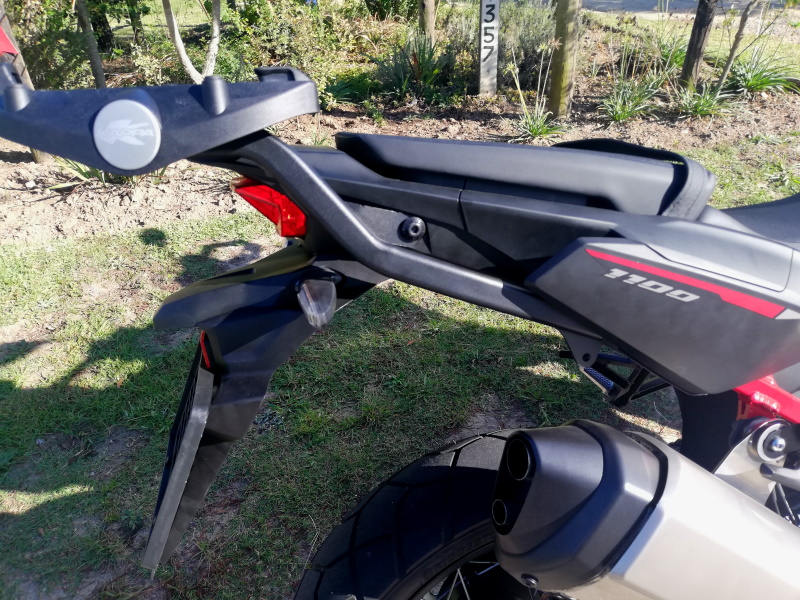 Met die gelukskoot kon ons die raam, die basis-plaat waarop die boks monteer en selfs ‘n alluminium boks koop, alles binne ons begroting van R10 000. Ons het ook sagte bagasie, wat bo-op die boks monteer, bygekoop.
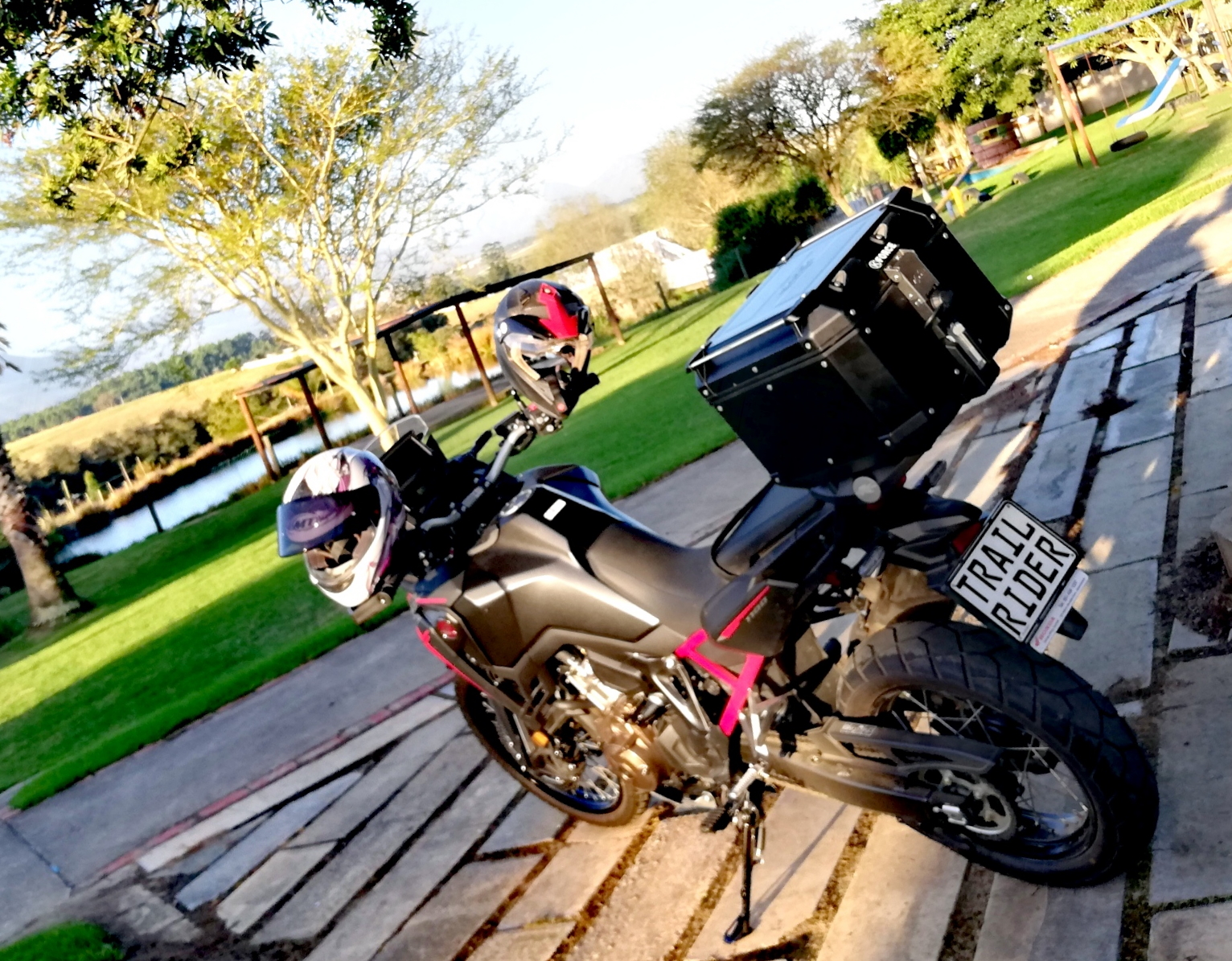 Met die bagasie probleem opgelos het die eerste 1000km verby gevlieg en was dit tyd vir die eerste diens. Meer oor die eerste diens, kostes daaraan verbonde en die sagte bagasie in ‘n toekomstige artikel.Intussen sal ons bike ry! In belang van die leser. Natuurlik.

The POPI Act and my ministry: Control or Protection?
By Mike Burnard – on request of LoveGeorgeWe are all swamped with unwanted phone calls, emails (usually junk mail), or SMSs from people who want to introduce us to a cause, a service, or a product that we have no interest in. The good news is that the POPI Act (Protection of Private Information Act), which was already endorsed by the government in 2013, was approved on 22 June 2020 and came into effect on 1 July 2020.Few charities and churches recognised that the law is applicable to them as well and that they are accountable to provide legal documents if and when required. Yes, the POPI Act applies to everybody who processes any type of records that contain personal information of people. It therefore lays down the minimum standards for the protection of personal information. Processing comprises the collection, receipt, recording, organising, retrieval or use of such information. It also includes the distribution and release of such information (free of charge or against payment).“Personal Information” broadly means any information relating to an identifiable, living natural person or juristic person (companies, CC’s etc.). This includes, but is not limited to:
Why the POPI Act?
It is important to clarify that the law and the subsequent requirements are ways of protection and NOT control. The new law should be applauded and observed – by all, especially the Christian community who places a high value on its witness.The purpose of this new law is to regulate the processing of personal information. It exists to protect you, as consumer, against identity theft, illegal money exchange, and preventing your personal information from landing in the wrong hands.In short, what it amounts to is that a responsible party – including businesses, charities, mission organisations, and Churches – must protect the integrity and confidentiality of personal information in their possession or under their control by introducing applicable, fairly technical, and organisational measures.Does it apply to my ministry?
 Yes, the POPI Act applies to everybody who processes any type of records that contain personal information of people. It therefore lays down the minimum standards for the protection of personal information. Processing comprises the collection, receipt, recording, organising, retrieval or use of such information. It also includes the distribution and release of such information (free of charge or against payment).“Personal Information” broadly means any information relating to an identifiable, living natural person or juristic person (companies, CC’s etc.). This includes, but is not limited to:
- contact details: email, telephone, address etc.
- demographic information: age, sex, race, birth date, ethnicity etc.
- history: employment, financial, educational, criminal, medical history
- biometric information: blood type etc.
- opinions of and about the person
- private correspondence etc.
- only collect information that you need for a specific purpose.
- apply reasonable security measures to protect it.
- ensure it is relevant and up to date.
- only hold as much as you need, and only for as long as you need it.
- allow the subject of the information to see it upon request.
How do I do this?
All charities will have the responsibility to comply with the Protection of Personal Information Act No. 4 of 2013 (POPI Act). When required, a detailed account should be provided about members of a database, subscribers, and supporters. Sending our newsletters and news bulletins should therefore be reviewed in the context of permission given by recipients and proof of subscriptions.Here are some guidelines:- Appoint a POPI Information Officer (IO) – If you are a small organisation or church this can be a volunteer but there needs to be a designated person, legally employed – with or without remuneration – that can maintain and control your database and give an account of every member when and if required.
- Complete the formal appointment process with a document and therefore making it legal.
- Make sure the IO is aware of the legal requirements and is in close communication with the director, CEO or Pastor. The appointed IO should review the current Privacy Policies of the organisation/ Church and ensure your manual follows the prescribed layout and includes the necessary details.
- Every subscription should be filed and be available should it be required. Subscription forms, emails, and messages should all be kept together for inspection.
- The IO should review the current database as well as the database lifecycle – acquisition, processing, retention, and destruction practices and develop appropriate measures to ensure ongoing compliance.
- The IO should inform all staff about legal requirements for data acquisition and data storage.
- The IO should identify the types of devices used where data is stored – and complete a security analysis to limit security risks.
- The IO should review existing relevant policies and ensure that these policies are appropriate, obtainable, and enforceable.
- The IO should review all media platforms such as website, Facebook, WhatsApp, Instagram, Twitter, etc, and implement a “best practice” policy such as Cookie notifications, subscription policies, and privacy guidelines.
- Newsletters and news bulletins should always include an opt-out message should subscribers decide to unsubscribe.
The POPI Act and my ministry: Control or Protection?
What’s Up With WhatsApp?
by Stefan van der BergYou’ll lose access to WhatsApp after 8 Feb, unless you agree to Facebook data sharing…A new notification has been popping up on everyone’s WhatsApp telling them that it’s terms and policies are being updated. Users have until February 8 to accept these new terms, and WhatsApp has indicated that users may not be able to access their WhatsApp accounts if they do not accept the new terms and agreements (updated on January 4).WHAT DOES THE CHANGE MEAN FOR YOU?This new update raised a lot of concerns about the new privacy policy, especially regarding the sharing of data with its parent company Facebook.‘By tapping AGREE, you accept the new terms and privacy policy, which take effect on February 8, 2021. After this date, you’ll need to accept these updates to continue using WhatsApp.’The WhatsApp privacy policy explains: ‘As part of the Facebook Companies, WhatsApp receives information from, and shares information with, the other Facebook Companies.‘We may use the information we receive from them, and they may use the information we share with them, to help operate, provide, improve, understand, customize, support, and market our Services and their offerings, including the Facebook Company Products.’Since WhatsApp was acquired by Facebook in 2014, users have wondered and worried about how much data would flow between the two platforms.WhatsApp users understandably assumed that this meant WhatsApp had finally crossed a line, requiring data-sharing with no alternative. But in fact, the company says that the privacy policy deletion simply reflects how WhatsApp has shared data with Facebook since 2016 for the vast majority of its now 2 billion-plus users.When WhatsApp launched a major update to its privacy policy in August 2016, it started sharing user information and metadata with Facebook. At that time, the messaging service offered its billion existing users 30 days to opt out of at least some of the sharing. If you chose to opt out at the time, WhatsApp will continue to honour that choice. The feature is long gone from the app settings, but you can check whether you’re opted out through the “Request account info” function in Settings.Meanwhile, the billion-plus users WhatsApp has added since 2016, along with anyone who missed that opt-out window, have had their data shared with Facebook all this time.“Our updated Terms and Privacy Policy provide more information on how we process your data, and our commitment to privacy,” WhatsApp wrote on the 4th of January 2021. “As part of the Facebook Companies, WhatsApp partners with Facebook to offer experiences and integrations across Facebook’s family of apps and products.”WHAT IS WHATSAPP SHARING WITH FACEBOOK?Whatever information WhatsApp automatically collects from you will be shared with Facebook. This includes your mobile phone number and basic information you give when you create a WhatsApp account.It collects and shares user activity, how often you use WhatsApp, features you use, your profile photo, your status, and ‘about’ information. Device-level information like what device you use, your mobile network, IP address are collected and it also uses precise location information from your device, but with your permission.Your information could also be used by Facebook and its other products to make suggestions for you, personalise features and content, help you complete purchases and transactions, and show relevant offers and ads across the Facebook Company ProductsWHAT ABOUT YOUR MESSAGES? WhatsApp has reiterated that all messages are end-to-end encrypted. This means that neither WhatsApp, nor third parties will access or read your messages.“Nothing you share on WhatsApp, including your messages, photos, and account information, will be shared onto Facebook or any of our other family of apps for others to see, and nothing you post on those apps will be shared on WhatsApp for others to see,” WhatsApp says.In fact, Facebook CEO Mark Zuckerberg has repeatedly affirmed his commitment to expanding end-to-end encryption offerings as part of tying the company’s different communication platforms.But that doesn’t mean there isn’t still a trove of other data WhatsApp can collect and share about how you use the app. The company says it collects user information “to operate, provide, improve, understand, customize, support, and market our Services.”“WhatsApp is great for protecting the privacy of your message content,” says Johns Hopkins University cryptographer Matthew Green. “But it feels like the privacy of everything else you do is up for grabs.”WhatsApp doesn’t store your messages once they’ve been delivered. Messages are stored on the user’s device and not on WhatsApp’s servers. Once messages are delivered, they are deleted from its servers.WHAT ABOUT ADS?WhatsApp does not allow third-party ads on its services. “We have no intention to introduce them, but if we ever do, we will update this Privacy Policy,” it says. However, WhatsApp can use information it has about you to communicate to you about its services and market its services and those of other Facebook companies.WHAT CHOICE DO YOU HAVE?To continue using WhatsApp, you need to accept the new terms and conditions. If you do not wish to, WhatsApp suggests deleting your account. For users who have already accepted the new terms and conditions, but do not want WhatsApp to share data with Facebook, or other businesses, they will have an additional 30 days to opt out and delete their account.WHAT HAPPENS IF YOU DELETE YOUR ACCOUNT?WhatsApp says that when you delete your WhatsApp account, your undelivered messages are deleted from its servers along with any of your other information it no longer needs to operate and provide its services.However, users must ensure they not only uninstall WhatsApp but must delete their account from WhatsApp. This can be done by going to settings > Account and selecting ‘Delete my account’.“Please remember that when you delete your account, it does not affect the information other users have relating to you, such as their copy of the messages you sent them,” WhatsApp’s privacy policy adds.
 WhatsApp has reiterated that all messages are end-to-end encrypted. This means that neither WhatsApp, nor third parties will access or read your messages.“Nothing you share on WhatsApp, including your messages, photos, and account information, will be shared onto Facebook or any of our other family of apps for others to see, and nothing you post on those apps will be shared on WhatsApp for others to see,” WhatsApp says.In fact, Facebook CEO Mark Zuckerberg has repeatedly affirmed his commitment to expanding end-to-end encryption offerings as part of tying the company’s different communication platforms.But that doesn’t mean there isn’t still a trove of other data WhatsApp can collect and share about how you use the app. The company says it collects user information “to operate, provide, improve, understand, customize, support, and market our Services.”“WhatsApp is great for protecting the privacy of your message content,” says Johns Hopkins University cryptographer Matthew Green. “But it feels like the privacy of everything else you do is up for grabs.”WhatsApp doesn’t store your messages once they’ve been delivered. Messages are stored on the user’s device and not on WhatsApp’s servers. Once messages are delivered, they are deleted from its servers.WHAT ABOUT ADS?WhatsApp does not allow third-party ads on its services. “We have no intention to introduce them, but if we ever do, we will update this Privacy Policy,” it says. However, WhatsApp can use information it has about you to communicate to you about its services and market its services and those of other Facebook companies.WHAT CHOICE DO YOU HAVE?To continue using WhatsApp, you need to accept the new terms and conditions. If you do not wish to, WhatsApp suggests deleting your account. For users who have already accepted the new terms and conditions, but do not want WhatsApp to share data with Facebook, or other businesses, they will have an additional 30 days to opt out and delete their account.WHAT HAPPENS IF YOU DELETE YOUR ACCOUNT?WhatsApp says that when you delete your WhatsApp account, your undelivered messages are deleted from its servers along with any of your other information it no longer needs to operate and provide its services.However, users must ensure they not only uninstall WhatsApp but must delete their account from WhatsApp. This can be done by going to settings > Account and selecting ‘Delete my account’.“Please remember that when you delete your account, it does not affect the information other users have relating to you, such as their copy of the messages you sent them,” WhatsApp’s privacy policy adds.
What’s Up With WhatsApp?
- https://www.businessinsider.co.za/tech/whatsapp-forcing-users-to-share-personal-data-facebook-elon-musk-2021-1
- https://www.thenewsminute.com/article/explained-whatsapp-s-new-privacy-policy-and-what-you-can-do-about-it-141176
- https://www.wired.com/2014/02/facebook-whatsapp/
- https://www.wired.com/2016/04/forget-apple-vs-fbi-whatsapp-just-switched-encryption-billion-people/
- https://www.whatsapp.com/legal/updates/privacy-policy/?lang=en
Gloryland Community Centre
 Name : Gloryland Community Centre
Type: Gloryland Community Centre
Mobile number:0640448557
Addres:5164 Sierrissie street New Dawn Park, Pacaltsdorp, GeorgeWestern Cape, 6534Contact person:Zonia RuitersEmail: gloryland@glorylandcomunitycentre.onmicrosoft.com
Website: https://zruiters.wixsite.com/websiteNPO / NPC number: 154-739 NPO
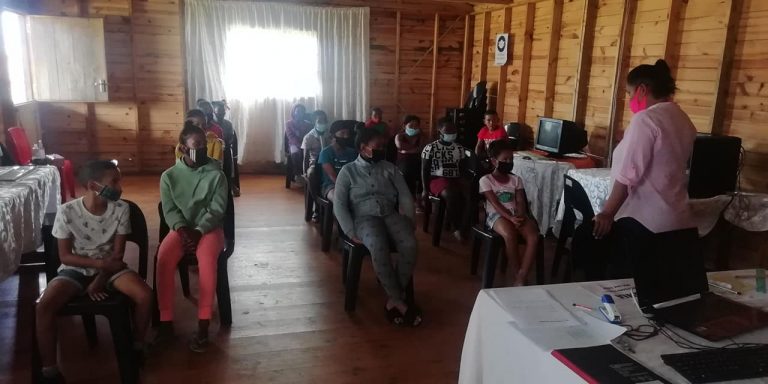
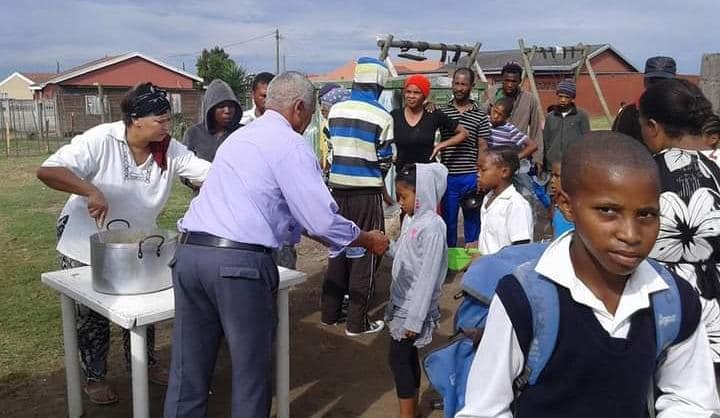
PBO number:About :Here at Gloryland Comunity Centre, we see the value in everyone. We want to be a catalyst for positive change, and since our beginnings in 2015, we’ve been driven by the same ideas we initially founded our Non-Profit Organization upon: support, empowerment, and progress. Learn more about our mission, our vision, and how we go about making the changes we want to see.We do free computer courses for the community.We do outreach ministry work in the community.
Name : Gloryland Community Centre
Type: Gloryland Community Centre
Mobile number:0640448557
Addres:5164 Sierrissie street New Dawn Park, Pacaltsdorp, GeorgeWestern Cape, 6534Contact person:Zonia RuitersEmail: gloryland@glorylandcomunitycentre.onmicrosoft.com
Website: https://zruiters.wixsite.com/websiteNPO / NPC number: 154-739 NPO
PBO number:About :Here at Gloryland Comunity Centre, we see the value in everyone. We want to be a catalyst for positive change, and since our beginnings in 2015, we’ve been driven by the same ideas we initially founded our Non-Profit Organization upon: support, empowerment, and progress. Learn more about our mission, our vision, and how we go about making the changes we want to see.We do free computer courses for the community.We do outreach ministry work in the community.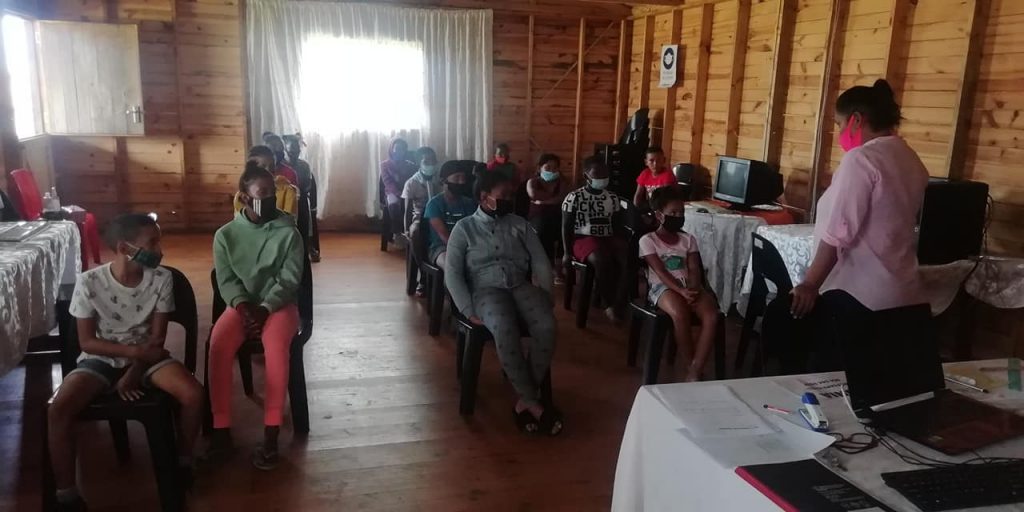
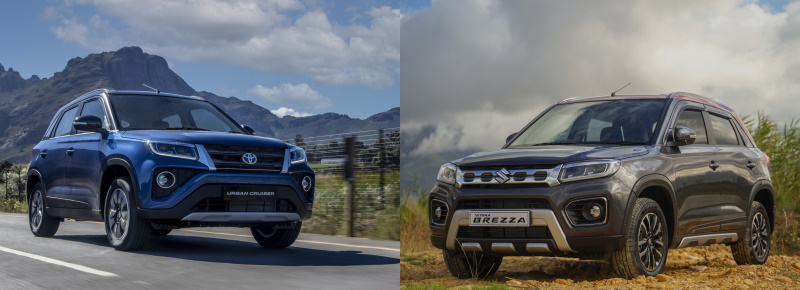
Toyota Urban Cruiser vs Suzuki Vitara Brezza
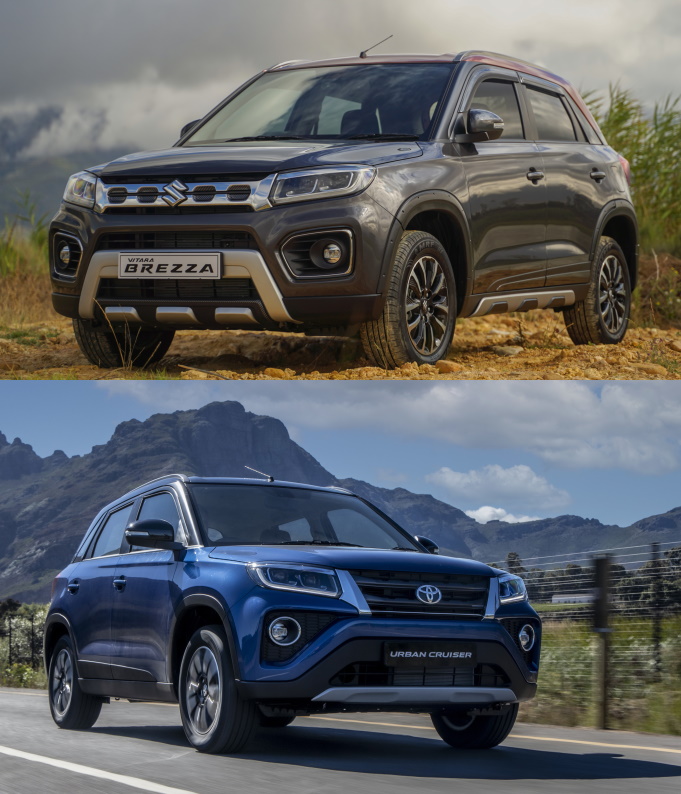
Toyota het pas die Urban Cruiser bekend gestel en soos die Toyota Starlet, is die model nie net gebasseer op ‘n Suzuki nie, dit is dieselfde voertuig, gebou in dieselfde fabriek deur Maruti Suzuki in Indië. Dit is ‘n Suzuki met ‘n Toyota kenteken. Later vanjaar stel Suzuki ‘n groter sportnuts bekend, die Suzuki Across. Hierdie voertuig is ‘n Toyota RAV (Hibried) met ‘n Suzuki kenteken. Hoekom doen hulle dit?
Die storie agter die storie is ‘n eenvoudige een. Beide fabrikate wil groei in markte waarin hulle nie sterk is nie. Suzuki is ‘n leier in die bou van kompakte, kwaliteit voertuie. Toyota is reeds vêr gevorder in die veld van hibriede en elektirese mobiliteit. Die toekoms lê in kwaliteit kompakte voertuie met hibriede of elektriese aandrywing. Suzuki het dus toegang tot die tegnologie en Toyota het toegang tot kwaliteit kompakte voertuie. Dis ‘n wen-wen situasie vir twee sterk maatskappye beide met goeie produkte.
Dit bring ons terug tot die Toyota Urban Cruiser versus die Suzuki Vitara Brezza. Om ‘n produk met homself te vergelyk sal dom wees. Dis dieselfde enjin, ratkas, dis dieselfde voertuig. Stillering verskil effens, maar smaak is subjektief. Die verskil lê in die prys en spesifikasie.
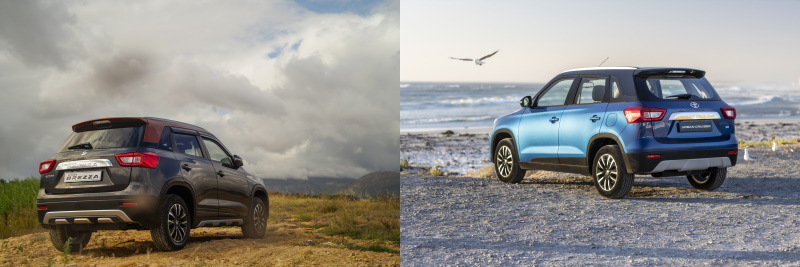
Suzuki bied vier modelle in twee spesifikasie vlakke, GL en GLX. Toyota bied vyf modelle in drie spesifikasie vlakke, Xi, XS en XR.
Die groot verskille lê by die intree-modelle: Xi vs GL. Beide is redelik goed gespsifiseer uit die staanspoor met raakskerm radios met Andriod of Apple skakeling, elektriese ruite en parkeersensors, maar waar die Toyota toegerus is met lugversorging kom die Suzuki met klimaatbeheer. Die Suzuki bied ook ‘n trukamera, elektries voubare spieëls en die bestuur sitplek kan hoogte verstel. Boonop is die Suzuki goedkoper en as jy wou, kan jy ook die intree spesifikasie model in Outomaties bekom. Die Toyota Xi is slegs in handrat beskikbaar.
XS: Toyota bied ‘n middel spesifikasie-vlak en hierdie model bied dan wel klimaatbeheer, ‘n trukamera, elektries voubare spieëls en ‘n bestuur sitplek met hoogte verstelling, maar ook 16-duim allooiwiele, dakspore, kleurgekodeerde deurhandvatsels, ‘n agterruitverwarmer en -veër, ‘n boonste paneelkissie en ‘n verdeelde agtersitplek. Hierdie spesifikasie vlak bied dan ook die keuse tussen handrat en die 4-spoed outokas.
XR vs GLX: Hierdie is die vlagskip modelle en beide is toegerus met luukses soos voorste spoedbeheer, ‘n binnetruspieël wat vanself domp, outomatiese ruitveërs en kopligte, ‘n armleuning tussen die voorsitplekke, ‘n leerstuurwiel, ‘n verkoelde boonste paneelkissie, die keuse van ‘n bakwerk in twee kleure en ‘n verligte bagasieruim. In wese is daar nie groot verskille tussen hierdie modelle nie. Die Suzuki is wel ‘n raps goedkoper.
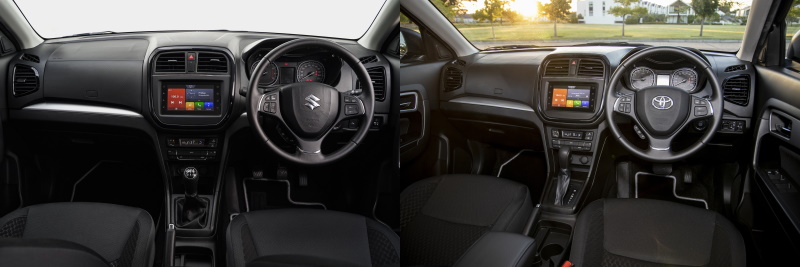
Wat Toyota wel uit die staanspoor in al die modelle bied is Toyota Connect. Hierdie stelsel koppel met jou foon deur ‘n toepassing waarmee eienaars handelaars kan opspoor en dienste kan boek. Die stelsel bied ook Wifi in die motor waarmee musiek gestroom kan word. Daar is 15Gig data voorafgelaai en die data kan aangevul word waneer dit op raak.
Wat dienste en waarborge aanbetref is die verskil groter. Toyota bied ‘n waarborg van drie jaar of 100 000 km en ‘n diensplan van drie versienings of 45 000 km, terwyl Suzuki ‘n waarborg van vyf jaar of 200 000 km en ‘n diensplan van vier versienings of 60 000 km bied. Toyota se diens en waarborg termyne kan wel verleng word, maar teen ‘n addisionele prys.
Pryse vergelyk as volg:
- Suzuki Vitara Brezza 1.5 GL: R 244 900
- Urban Cuiser 1,5 Xi: R 247 900
- Suzuki Vitara Brezza 1.5 GL (Auto): R 264 900
- Urban Cuiser 1,5 XS-handrat: R 267 900
- Urban Cuiser 1,5 XS-outomaties: R 289 000
- Suzuki Vitara Brezza 1.5 GLX: R 289 900
- Urban Cuiser 1,5 XR-handrat: R 294 500
- Suzuki Vitara Brezza 1.5 GLX (Auto): R 309 900
- Urban Cuiser 1,5 XR-outomaties: R 315 700
Toyota het ‘n aansienlik groter handelaars netwerk en as jy in ‘n afgeleë dorp bly of gereeld afgeleë reis, is Toyota dalk jou beter keuse. Sou jy egter naby beide handelaars bly sou jy geensins benadeel word deur ‘n Suzuki te koop nie. Die voertuig is, per slot van sake, ‘n Suzuki.
Wat seker is, of jy nou ‘n Brezza of ‘n Urban Cruiser koop, hierdie is ‘n goeie kopie en ons behoort eersdaags duisende van hulle op ons paaie te sien.