by Stefan van der BergYou’ll lose access to WhatsApp after 8 Feb, unless you agree to Facebook data sharing…A new notification has been popping up on everyone’s WhatsApp telling them that it’s terms and policies are being updated. Users have until February 8 to accept these new terms, and WhatsApp has indicated that users may not be able to access their WhatsApp accounts if they do not accept the new terms and agreements (updated on January 4).
WHAT DOES THE CHANGE MEAN FOR YOU?This new update raised a lot of concerns about the new privacy policy, especially regarding the sharing of data with its parent company Facebook.‘By tapping AGREE, you accept the new terms and privacy policy, which take effect on February 8, 2021. After this date, you’ll need to accept these updates to continue using WhatsApp.’The WhatsApp
privacy policy explains:
‘As part of the Facebook Companies, WhatsApp receives information from, and shares information with, the other Facebook Companies.‘We may use the information we receive from them, and they may use the information we share with them, to help operate, provide, improve, understand, customize, support, and market our Services and their offerings, including the Facebook Company Products.’Since WhatsApp was acquired by Facebook in 2014, users have wondered and worried about how much data would flow between the two platforms.WhatsApp users understandably assumed that this meant WhatsApp had finally crossed a line, requiring data-sharing with no alternative. But in fact, the company says that the privacy policy deletion simply reflects how WhatsApp has shared data with Facebook since 2016 for the vast majority of its now 2 billion-plus users.When WhatsApp launched a major update to its privacy policy in August 2016, it started sharing user information and metadata with Facebook. At that time, the messaging service offered its billion existing users 30 days to opt out of at least some of the sharing. If you chose to opt out at the time, WhatsApp will continue to honour that choice. The feature is long gone from the app settings, but you can check whether you’re opted out through the “Request account info” function in Settings.Meanwhile, the billion-plus users WhatsApp has added since 2016, along with anyone who missed that opt-out window, have had their data shared with Facebook all this time.
“Our updated Terms and Privacy Policy provide more information on how we process your data, and our commitment to privacy,” WhatsApp
wrote on the 4th of January 2021. “As part of the Facebook Companies, WhatsApp partners with Facebook to offer experiences and integrations across Facebook’s family of apps and products.”
WHAT IS WHATSAPP SHARING WITH FACEBOOK?Whatever information WhatsApp automatically collects from you will be shared with Facebook. This includes your mobile phone number and basic information you give when you create a WhatsApp account.It collects and shares user activity, how often you use WhatsApp, features you use, your profile photo, your status, and ‘about’ information. Device-level information like what device you use, your mobile network, IP address are collected and it also uses precise location information from your device, but with your permission.Your information could also be used by Facebook and its other products to make suggestions for you, personalise features and content, help you complete purchases and transactions, and show relevant offers and ads across the Facebook Company Products
WHAT ABOUT YOUR MESSAGES? WhatsApp has reiterated that all messages are end-to-end encrypted
. This means that neither WhatsApp, nor third parties will access or read your messages.
“Nothing you share on WhatsApp, including your messages, photos, and account information, will be shared onto Facebook or any of our other family of apps for others to see, and nothing you post on those apps will be shared on WhatsApp for others to see,” WhatsApp says.In fact, Facebook CEO Mark Zuckerberg has repeatedly affirmed his commitment to expanding end-to-end encryption offerings as part of tying the company’s different communication platforms.But that doesn’t mean there isn’t still a trove of other data WhatsApp can collect and share about how you use the app. The company
says it collects user information
“to operate, provide, improve, understand, customize, support, and market our Services.”“WhatsApp is great for protecting the privacy of your message content,” says Johns Hopkins University cryptographer Matthew Green.
“But it feels like the privacy of everything else you do is up for grabs.”WhatsApp doesn’t store your messages once they’ve been delivered. Messages are stored on the user’s device and not on WhatsApp’s servers. Once messages are delivered, they are deleted from its servers.
WHAT ABOUT ADS?WhatsApp does not allow third-party ads on its services.
“We have no intention to introduce them, but if we ever do, we will update this Privacy Policy,” it says. However, WhatsApp can use information it has about you to communicate to you about its services and market its services and those of other Facebook companies.
WHAT CHOICE DO YOU HAVE?To continue using WhatsApp, you need to accept the new terms and conditions. If you do not wish to, WhatsApp suggests deleting your account. For users who have already accepted the new terms and conditions, but do not want WhatsApp to share data with Facebook, or other businesses, they will have an additional 30 days to opt out and delete their account.
WHAT HAPPENS IF YOU DELETE YOUR ACCOUNT?WhatsApp says that when you delete your WhatsApp account, your undelivered messages are deleted from its servers along with any of your other information it no longer needs to operate and provide its services.However, users must ensure they not only uninstall WhatsApp but must delete their account from WhatsApp. This can be done by going to settings > Account and selecting ‘Delete my account’.“Please remember that when you delete your account, it does not affect the information other users have relating to you, such as their copy of the messages you sent them,” WhatsApp’s privacy policy adds.
What’s Up With WhatsApp?



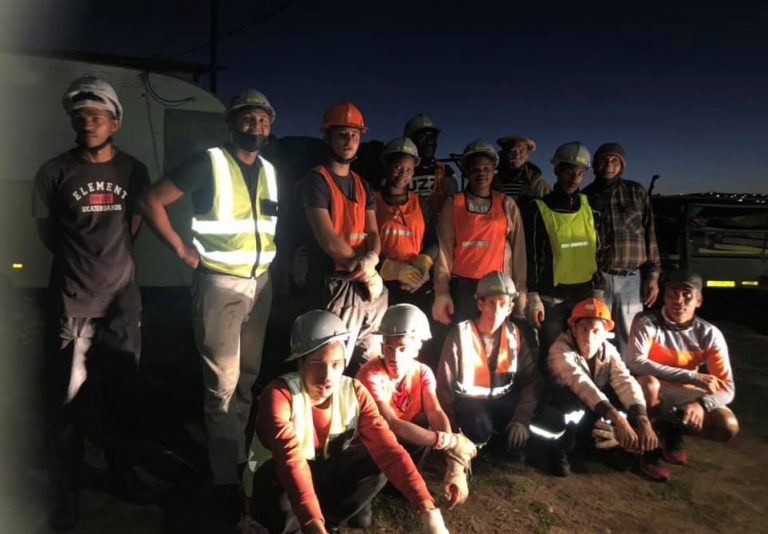
 Binne twee weke hoor ons weer die sane-gesang van wat ons moet doen vir die jeug. Ons weet wat hulle moet doen en wat gedoen moet word. Opleiding en n geleentheid. Hulle wil bou en die land en gemeenskap n beter plek maak. Hulle is vreesloos – energiek – gewillig – hulle is great kids. Hulle is onverskrokke in wat hulle doen – Bouers van n beter lewe – Shackbouers. Paraat soos hulle in die Oggend gereed maak om te gaan bou. Gister laat middag hoor Ek een van hulle sê: Ouma môre bou is klaar – Ouma moet nog die dubbel bed Sien wat ons gaan insit – twee groot vensters met n tralie vir Ouma”. Hulle is super great jongmense – goeie en mooi harte – hulle bou die land. Groetnis vanuit n koue Brak.Quinton Adams
ShackbuilderVolg Quinton op Facebook
Binne twee weke hoor ons weer die sane-gesang van wat ons moet doen vir die jeug. Ons weet wat hulle moet doen en wat gedoen moet word. Opleiding en n geleentheid. Hulle wil bou en die land en gemeenskap n beter plek maak. Hulle is vreesloos – energiek – gewillig – hulle is great kids. Hulle is onverskrokke in wat hulle doen – Bouers van n beter lewe – Shackbouers. Paraat soos hulle in die Oggend gereed maak om te gaan bou. Gister laat middag hoor Ek een van hulle sê: Ouma môre bou is klaar – Ouma moet nog die dubbel bed Sien wat ons gaan insit – twee groot vensters met n tralie vir Ouma”. Hulle is super great jongmense – goeie en mooi harte – hulle bou die land. Groetnis vanuit n koue Brak.Quinton Adams
ShackbuilderVolg Quinton op Facebook Two Days Left ….. Please Support and Thanks to the People who have supported thus far.Our Lucky Draw Competition in Support for The Backyard Varsity Field Trip to Great Brakrivier.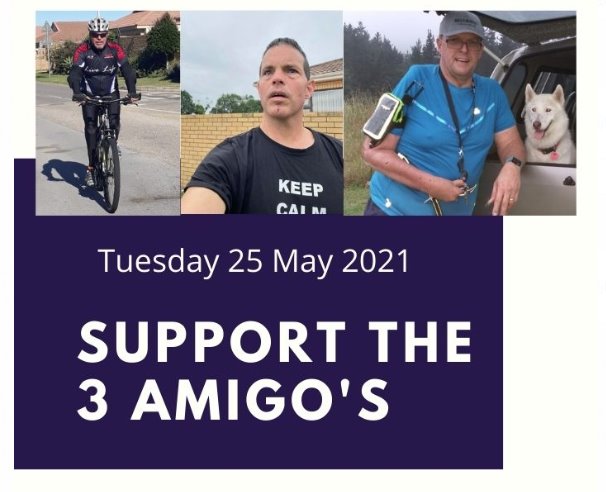


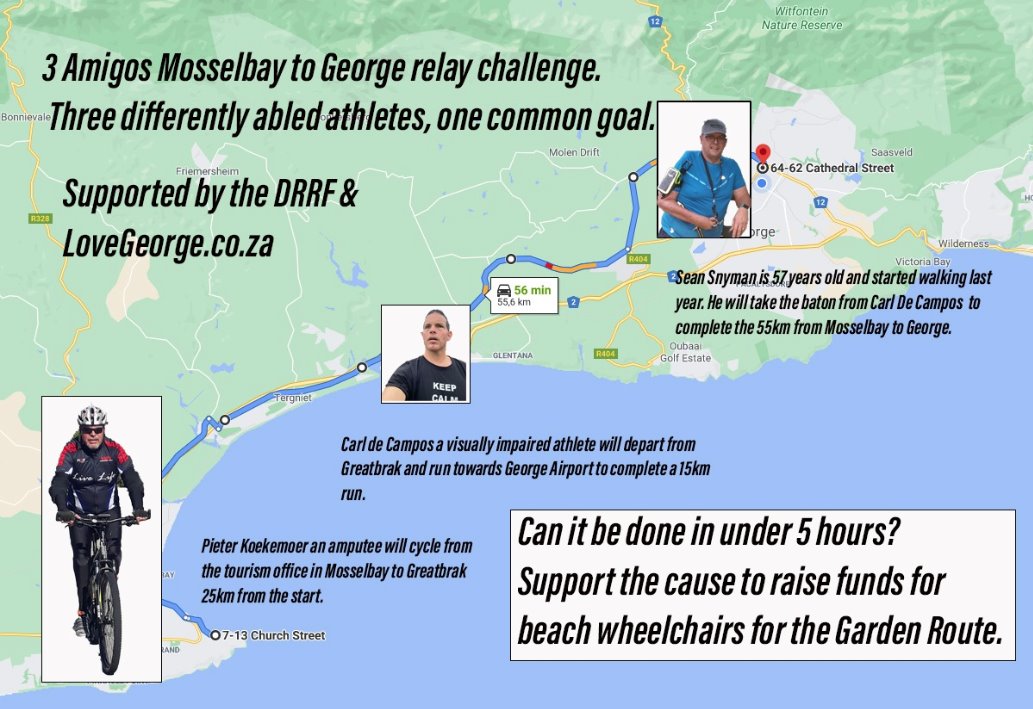



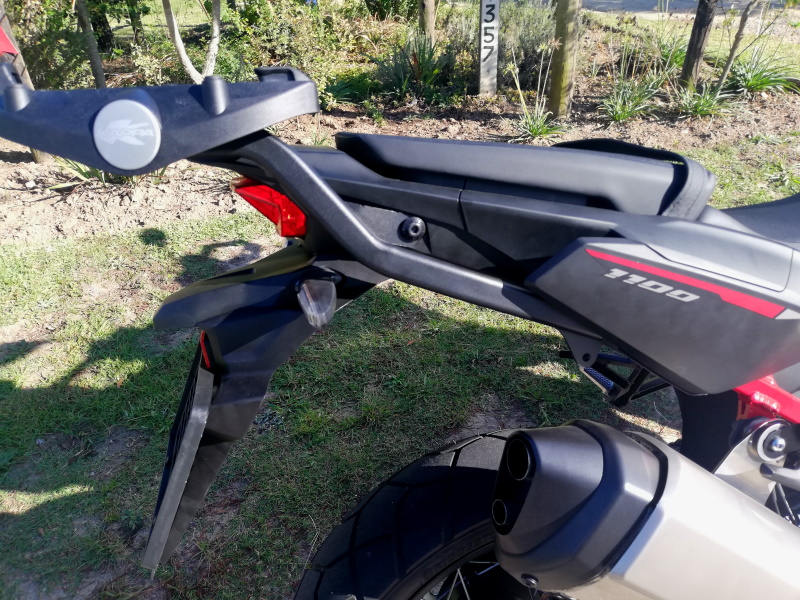 Met die gelukskoot kon ons die raam, die basis-plaat waarop die boks monteer en selfs ‘n alluminium boks koop, alles binne ons begroting van R10 000. Ons het ook sagte bagasie, wat bo-op die boks monteer, bygekoop.
 Met die bagasie probleem opgelos het die eerste 1000km verby gevlieg en was dit tyd vir die eerste diens. Meer oor die eerste diens, kostes daaraan verbonde en die sagte bagasie in ‘n toekomstige artikel.Intussen sal ons bike ry! In belang van die leser. Natuurlik.


 Yes, the POPI Act applies to everybody who processes any type of records that contain personal information of people. It therefore lays down the minimum standards for the protection of personal information. Processing comprises the collection, receipt, recording, organising, retrieval or use of such information. It also includes the distribution and release of such information (free of charge or against payment).“Personal Information” broadly means any information relating to an identifiable, living natural person or juristic person (companies, CC’s etc.). This includes, but is not limited to: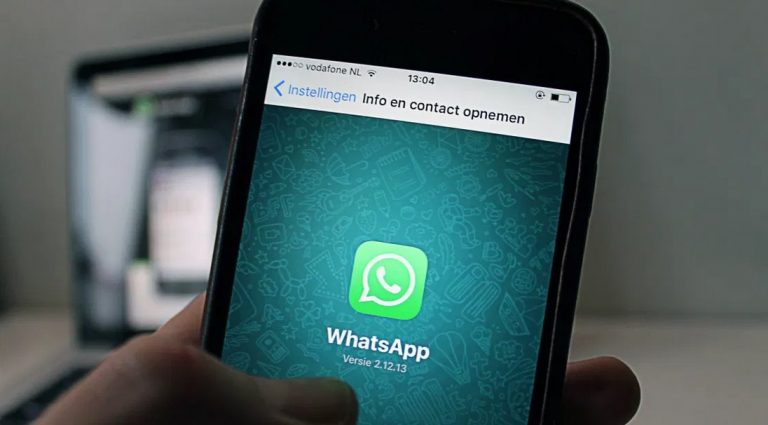
 WhatsApp has reiterated that all messages are end-to-end encrypted. This means that neither WhatsApp, nor third parties will access or read your messages.“Nothing you share on WhatsApp, including your messages, photos, and account information, will be shared onto Facebook or any of our other family of apps for others to see, and nothing you post on those apps will be shared on WhatsApp for others to see,” WhatsApp says.In fact, Facebook CEO Mark Zuckerberg has repeatedly affirmed his commitment to expanding end-to-end encryption offerings as part of tying the company’s different communication platforms.But that doesn’t mean there isn’t still a trove of other data WhatsApp can collect and share about how you use the app. The company
 Name : Gloryland Community Centre
Type:
Name : Gloryland Community Centre
Type: