


STATEMENT BY PRESIDENT ON COVID
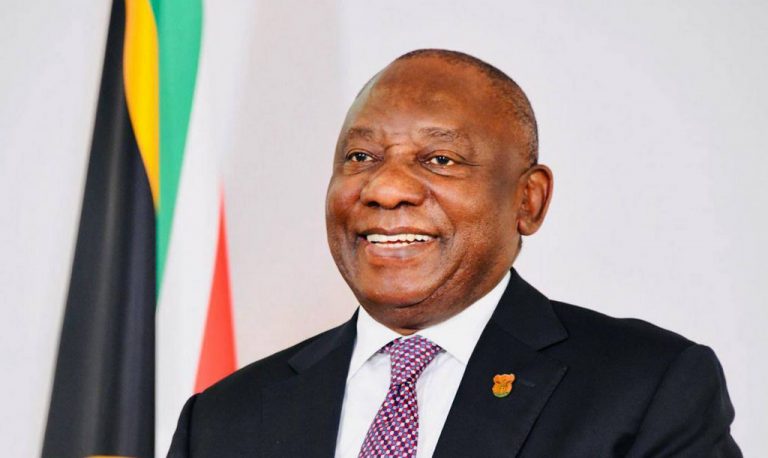
STATEMENT BY PRESIDENT CYRIL RAMAPHOSA ON PROGRESS IN THE NATIONAL EFFORT TO CONTAIN THE COVID-19 PANDEMIC, UNION BUILDINGS, TSHWANE, 12 SEPTEMBER 2021My Fellow South Africans, This evening, I would like to begin by telling you about the experience we have had as a nation in one week in the work we are doing in the health care system in one of our provinces.Between the dates of 14 and 20 August this year, the Western Cape Department of Health compiled figures on people above the age of 60 who were infected with COVID-19.Only 30 out of 729 people above the age of 60 who were admitted to hospital for COVID-19 that week had been vaccinated.This means that 699 of those were not vaccinated.And of the 292 people above the age of 60 who died from COVID-19 that week, 287 of them were not vaccinated, meaning only 5 were vaccinated.In other words, 96 per cent of the people over 60 who were hospitalised in the province and more than 98 per cent of the people over 60 who died were not vaccinated.A similar pattern has emerged in hospitals across the country.We know that a vaccinated person can still be infected and can still pass on the virus to others.But what we are seeing is that very few people who are vaccinated against COVID-19 are becoming severely ill with the disease, and very few are ending up in ICU or needing ventilation.Most importantly, people who are vaccinated against COVID-19 are far less likely to die of the disease.South Africa is fast becoming a vaccination site.Over a quarter of all adult South Africans have received at least one vaccine dose and more than 7 million people are fully vaccinated.In the Eastern Cape, Limpopo and the Western Cape, more than 1 in 5 adults is now fully vaccinated.The total number of vaccine doses administered in the country now stands at 14.6 million doses.We are now administering a million doses every 4 to 5 days.Government has secured sufficient vaccines to vaccinate the entire adult population, and the supply of vaccines is no longer a constraint.However, we need to do much more.And we are doing more as we improve our ways of working.We are increasing the pace of vaccination and ensuring that we reach those that are most vulnerable to serious illness.While everyone aged 18 years and older is eligible to be vaccinated, we are concentrating our efforts and resources on those over 60 years of age and those with co-morbidities.To date, over 57 per cent of persons over 60 years of age have been vaccinated.This is a great achievement, but we need to reach them all.We are finding that more women than men are coming forward to be vaccinated against COVID-19. Although the numbers are improving, men are still slow in coming forward to be vaccinated. We are spreading the message in all languages to ensure that people understand that these vaccines are safe, effective and free. Many people around the world are being vaccinated, with more than five and a half billion vaccine doses having been administered worldwide thus far. There is now overwhelming evidence from hundreds of countries that vaccines are safe and provide strong protection.We have taken steps to make it easier for people to access vaccination wherever they are.We now have more than 3,000 public and private vaccination sites across the country, and most private sites will vaccinate any member of the public for free whether you have health insurance or not.I want to stress that the vaccination programme is open to all people in South Africa, whether or not they are South African citizens. It is important to bear in mind that this is a new virus that the world has never encountered before. Although nobody can predict how the virus will mutate further, the scientific community has developed innovative ways of tracking the emergence of new variants.If many people are not vaccinated and remain vulnerable to infection, the chance of new and more dangerous variants emerging is far greater.That is why vaccines are currently the most potent weapon we have to fight this pandemic.The sooner we are all vaccinated, the sooner we can open up sports venues to spectators.The sooner we are all vaccinated the sooner we can welcome tourists to our beautiful country.If we are all vaccinated, the sooner we can meet with friends and family, the sooner we can return to offices and other places of work.When we are vaccinated, we will be able to return our economy to full operation and create the jobs that our country needs.Importantly, when we are vaccinated, we will be able to restore all our other critical health interventions and relieve the strain on our health workers.It is up to each and every one of us to convince our family, friends and co-workers that vaccination is safe and that it could save their lives.When I last addressed the nation, we were heading towards the peak of the third wave of infections, which was being driven by the Delta variant of the virus.The Delta variant is far more transmissible than earlier variants and, because it infects far more people, placed a great strain on our health facilities.We said then that the third wave would be more severe and last longer than the previous two waves, and that has proven to be correct.While the third wave is not yet over, we have seen a sustained decline in infections across the country over the last few weeks.The average number of daily new infections over the last week is 29 per cent lower than the preceding 7 days, and 48 per cent lower than the 7 days before that.While the third wave peaked in Gauteng far earlier and declined far faster than in other provinces, there is now a marked decline across all provinces.The two provinces that stand out from the others are the Northern Cape and Free State, where the number of infections as a proportion of the population has remained relatively high for several months.We are therefore focusing our efforts on these provinces to understand what is driving these infections and what measures we need to take to bring them down.With the decline of infections across all provinces, the Ministerial Advisory Committee on COVID-19 has recommended an easing of restrictions on the movement of people and gatherings. These recommendations have been discussed at the National Coronavirus Command Council and with Premiers, mayors and traditional leaders in the President’s Coordinating Council. They have also been discussed with the leaders of political parties represented in Parliament and with faith based organisations.Based on these discussions, Cabinet has therefore decided that the country should be moved from Adjusted Alert Level 3 and placed on Adjusted Alert Level 2 with effect from tomorrow, Monday, the 13th of September 2021.This means that:− The hours of curfew will now start at 11pm and end at 4am.− Non-essential establishments like restaurants, bars and fitness centres will need to close by 10pm. This is to allow their employees and patrons to travel home before the start of the curfew.− All gatherings will be limited to a maximum of 250 people indoors and 500 people outdoors. Where the venue is too small to accommodate these numbers with appropriate social distancing, then no more than 50 per cent of the capacity of the venue may be used.This includes religious services, political events and social gatherings, as well as restaurants, bars, taverns and similar places.– The sale of alcohol from retail outlets for off-site consumption will be permitted between 10am and 6pm from Monday to Friday.– Alcohol sales for on-site consumption will be permitted as per licence conditions up to 10pm.Alcohol consumption remains prohibited in public spaces.These measures will be reviewed in two weeks time depending on the state of the pandemic.We will also be providing further information on an approach to ‘vaccine passports’, which can be used as evidence of vaccination for various purposes and events.Several important measures remain in place.It remains mandatory for every person to wear a face mask that always covers their nose and mouth when in public spaces.It is a criminal offence not to do so, and the managers of shops and restaurants as well as drivers of taxis and buses have a responsibility to ensure that their customers wear masks, and that the appropriate social distancing measures are in place.Funerals remain restricted to no more than 50 people, and, as before, night vigils, after-funeral gatherings and ‘after-tears’ gatherings are not allowed.We are able to ease these restrictions thanks to the efforts of all South Africans to adhere to the regulations and basic health measures.We are particularly thankful to those sectors of society that have had to endure restrictions on their activities for some time.I speak here of religious communities of all faiths, which have been unable to worship and minister to the needs of their congregants as they normally would.I speak of the artists, promoters, performers and cultural workers who have had to find other outlets for their work and who have endured great difficulties.I speak of the owners of restaurants, bars, taverns, hotels, conference venues and others in the hospitality sector that have seen a massive decline in their business.We recognise these hardships and will continue to find ways, within our means, of supporting these sectors and taking steps to enable their recovery.The vaccination drive offers an opportunity to open up many of the venues that have remained closed, and we are continuing to work with all partners to find the safest and quickest way to do this.It needs to be emphasised that the third wave is not yet over, and it is only through our actions – individually and collectively – that we will be able reduce the number of new infections still further.Once we have done that, our priority must be to prevent a resurgence of infections.Our most urgent task is to vaccinate our population so that as many people as possible are protected from severe illness or death before any resurgence of infections.The more people that get vaccinated before December, the less likely it is that we will experience a devastating fourth wave over the holiday period.That is the greatest reason for all of us who have not yet done so to get to a vaccination site and get protected.We must take seriously the need to ventilate our homes, workplaces and any places where people gather. COVID-19 is transmitted through the air, and therefore, we should all be concerned when we find ourselves in enclosed areas without adequate ventilation. Those responsible for organising indoor meetings should ensure there is a sufficient flow of air through the venue.In exactly 50 days’ time, South Africans will go to the polls in local government elections.It is vital that as we undertake this great democratic exercise, we do everything within our means to prevent a resurgence of COVID-19 infections.At the same time, we need to ensure that the pandemic does not limit the ability of all South Africans to freely exercise their democratic right to elect their local councillors.This is a matter that I discussed with political party leaders earlier in the week, and there is a firm commitment from all parties that election campaigning should adhere to the state of disaster regulations and all health protocols.We urge all South Africans to exercise their right to campaign responsibly and take care to safeguard their own health and the health of others.While we intensify the fight against COVID-19, we cannot ignore the other pandemic that is causing such misery and damage in our society.We have just finished Women’s Month, where we planned to celebrate the success of women in many fields. Instead, our country bore witness to several brutal attacks by men against women. This month alone there have been a number of terrible crimes committed against women and girls. There was Fort Hare law student, Ms Nosicelo Mtebeni, who was murdered and dismembered in East London; there was the Grade One pupil from Khensani Primary School in Soshanguve, who was raped in the school’s toilets; there was Ms Palesa Maruping, who was found hanging from the ceiling of a house in Khuma Location in the North West; and Ms Pheliswa Sawutana, who was strangled to death in Kosovo informal settlement in Cape Town.These are just the cases that were covered in the media; there were others that were not. These gruesome acts of violence cannot go unpunished. They must strengthen our resolve to end gender-based violence in all its forms.We must strengthen our efforts across all fronts. The National Assembly has approved three critical pieces of legislation that will further strengthen the criminal justice system and ensure harsh penalties for those found guilty of gender-based violence.The courts are increasingly handing down judgements for life imprisonment for statutory rape, robbery and aggravating sentences that involve rape.We continue to implement all the pillars of the National Strategic Plan against Gender-Based Violence and Femicide.Ultimately, the success of this work depends on the actions that we all take to end this pandemic of violence against women and children.I wish to once again make a call to the men of this country to understand that the rights and freedoms guaranteed by our Constitution belong to all people, men and women alike.We continue to implement measures to assist households, employees and businesses that have been affected by the pandemic and by the public violence that occurred in parts of KwaZulu-Natal and Gauteng in July.Since we re-opened applications for the special Social Relief of Distress grant in the first week of August, we have received nearly 13 million applications.Of these, 8.3 million applications have been approved, and payments have started to these recipients.Just over 3.7 million applications were declined, mainly because applicants have other identified sources of income or are registered for assistance like UIF and NSFAS. Around 845,000 applications are still in the validation process. Along with the other measures we have put in place, this grant is providing critical assistance to unemployed South Africans at this most difficult time.My fellow South Africans,Since the outbreak of the pandemic, we have looked out for one another, and we have protected one another.With millions of people already vaccinated and millions of vaccine doses in stock, we are getting ever closer to containing the pandemic.The day will soon come when we can gather again without restrictions, fill stadiums and music venues, travel and move about freely without the fear of becoming ill or losing our loved ones.How soon that day arrives depends on one thing: how many of us get vaccinated and how quickly.We have overcome three waves of infection because of our collective resolve and our adherence to basic health precautions.Let us make it our mission to vaccinate as many people as we can, so that we can move ahead with the task of rebuilding our economy and our lives.God bless South Africa and protect her people.I thank you.ISSUED BY THE PRESIDENCY OF THE REPUBLIC OF SOUTH AFRICA
Main building is now solar powered
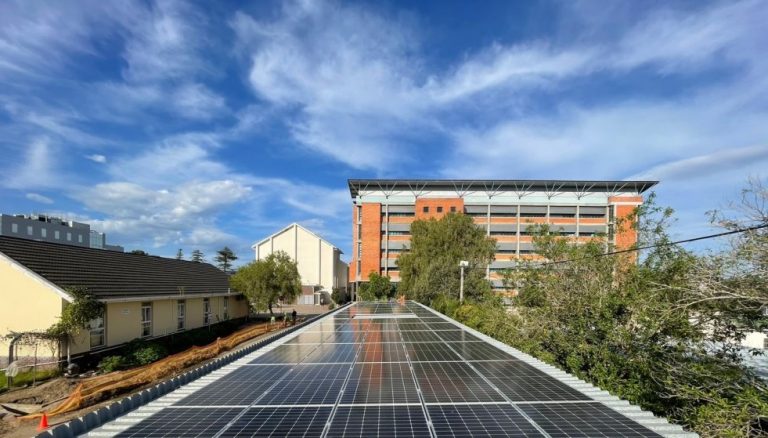
George Municipality’s main building will now mostly be powered by solar following the activation of the recently installed 300kW solar-power plant in the municipal parking lot.Funded by the national Department of Energy and facilitated by the municipality’s Electrotechnical directorate, the solar plant consists of 692 photovoltaic (PV) panels installed on top of the roofs of the parking bays – not only generating enough power to electrify the main building and civic centre but also providing shade and protection for municipal vehicles. The energy generated feeds directly into the municipal buildings’ main low voltage distribution boards. Any excess power not used by the main buildings and civic, is exported to the grid and feeds into neighbouring municipal buildings, such as the housing offices, and the park in front of the civic centre in York Street.Solar power that the municipality does not use goes back into the city’s grid, which is then ‘credited’ against the municipality’s Eskom account according to a special tariff. During the night and on cloudy days, the municipality uses the accumulated ‘credit’ and pays for electricity thereafter. It is expected to produce 500 000kWh of energy per year and should pay itself off within seven years.George Municipality also earns ‘green points’ for meeting carbon emission reduction targets.The total savings in carbon dioxide emissions generated from the new solar-plant will be about 9027 tonnes of CO2 over the plant’s 25-year lifetime.George Municipal Manager Dr Michele Gratz said the municipality was proud to be among the first local authorities in the Western Cape to generate electricity for its own buildings. “This kind of project ultimately benefits the people of George because it saves money, promotes innovation and good environmental practices.“We thank national government for supporting us in the pursuit of energy saving across as many platforms as possible. The municipality continues to investigate various types of alternative energy sources to provide sustainable solutions for the city,” said Dr Gratz.
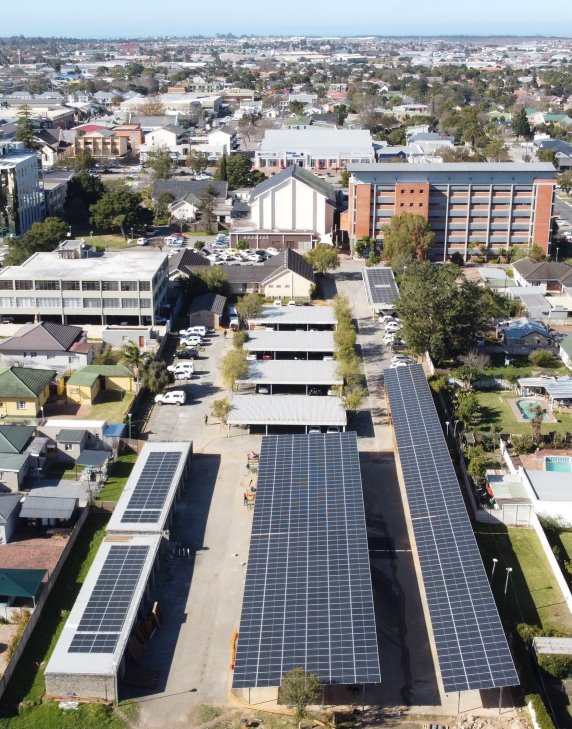 The energy generated feeds directly into the municipal buildings’ main low voltage distribution boards. Any excess power not used by the main buildings and civic, is exported to the grid and feeds into neighbouring municipal buildings, such as the housing offices, and the park in front of the civic centre in York Street.Solar power that the municipality does not use goes back into the city’s grid, which is then ‘credited’ against the municipality’s Eskom account according to a special tariff. During the night and on cloudy days, the municipality uses the accumulated ‘credit’ and pays for electricity thereafter. It is expected to produce 500 000kWh of energy per year and should pay itself off within seven years.George Municipality also earns ‘green points’ for meeting carbon emission reduction targets.The total savings in carbon dioxide emissions generated from the new solar-plant will be about 9027 tonnes of CO2 over the plant’s 25-year lifetime.George Municipal Manager Dr Michele Gratz said the municipality was proud to be among the first local authorities in the Western Cape to generate electricity for its own buildings. “This kind of project ultimately benefits the people of George because it saves money, promotes innovation and good environmental practices.“We thank national government for supporting us in the pursuit of energy saving across as many platforms as possible. The municipality continues to investigate various types of alternative energy sources to provide sustainable solutions for the city,” said Dr Gratz.
 Personal Safety
Be crime conscious – be aware of crime opportunities at all times!
- Never walk around alone and don’t talk to strangers. Be on the lookout for strange cars or people.
- Walk in well-lit busy streets and in a group, if possible.
- Make sure your home is secure, and become a member of an armed response service. Be sure that you know all the emergency numbers or have them displayed in an accessible area.
- Always let someone know where you are going and how long you will be gone. But think twice before advertising your impending absence on social media. Criminals also have access to Facebook and Twitter.
- Know all emergency numbers.
- Trust your instinct.
- Avoid going onto a congested street where you cannot even walk properly, that is where you will find criminals pick pocketing.
- Avoid displaying valuables where criminals can see them.
Affordable tourism options in George
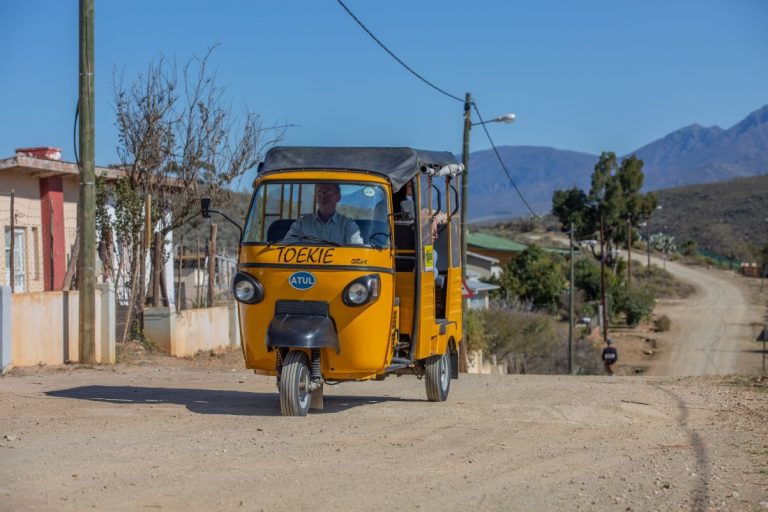
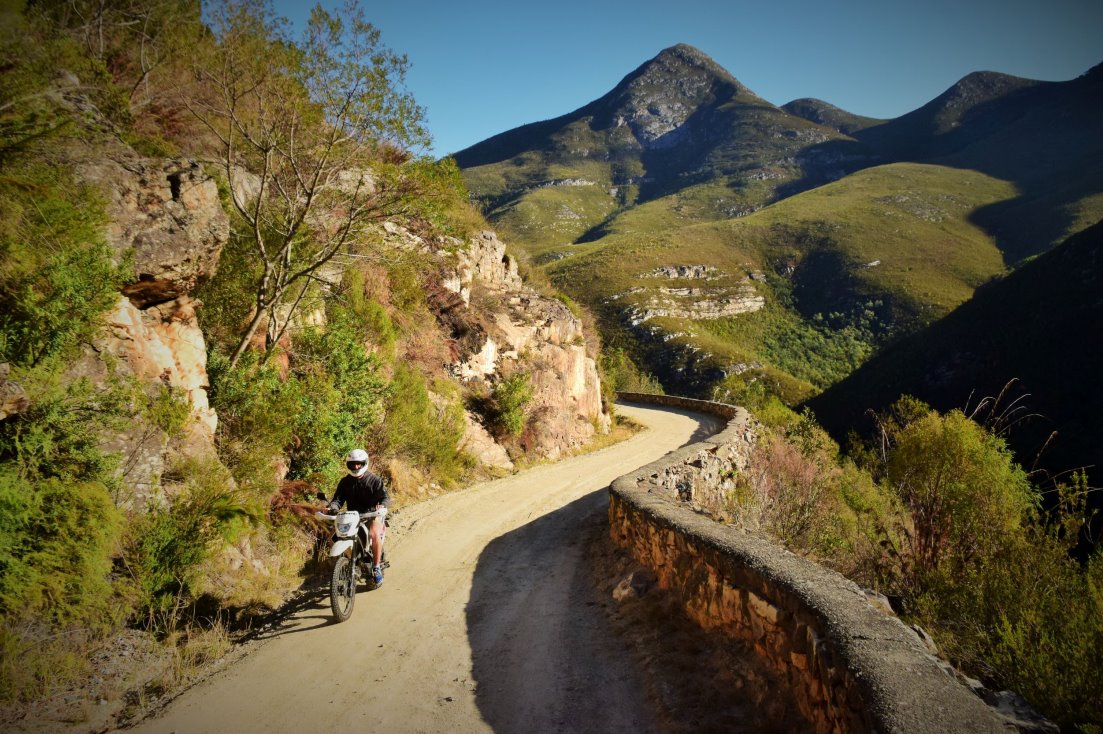
George Municipal area is an affordable tourism destinationThese activities will give you bang for your buckIt’s Week 2 of National Tourism Month and this week the spotlight is on affordability. Affordability relates to the extent to which tourists view a destination as a place with reasonably priced primary and additional tourism goods and services, relative to the tourist’s financial means. The concept relates to things such as affordable accommodation, entrance fees, public transport, restaurants, free tourist information and shops that sell goods with modest price tags.After a harsh year battling the coronavirus, many of us are in need of a reviving break to recover our zing. The good news is that you don’t have to break your piggy bank to go on an extraordinary adventure. The Garden Route offers myriads of inexpensive activities and experiences – with many of them being completely free! – to help you escape from the toil and drudgery.Take for example Uniondale’s quaint, bright yellow Tuk-Tuk, aptly named Toekie. With room for four passengers to be comfortably seated, you’ll mosey through town while local guide Dirkie Coetzee will enlighten you on everything local – from the town’s interesting history involving the Anglo-Boer War, ghost legends and well-preserved buildings to its culinary delights and other paraphernalia. It’s a two-hour tour and excellent value for money. Treat your kids with a visit to the Happy Valley Kid’s Play Centre in George. It’s a children’s paradise where your little ones can jump and climb, swing and run to their hearts’ content. Every offering is well below R100 – from the inexpensive child-friendly munchies on the menu, to 90 minutes of fun and games, to attending one of their exciting cooking classes for the next generation of chefs.A trip up the historic Montagu Pass, which is a giveaway treat in and of itself, will lead you to the remote and unique little winery of Herold Wines on the sunny north-facing slope of Cradock Peak. It was established in 1999 and made quite a name for itself with its superb wines. Visit them for cellar tours, wine tastings and delightful lunches. Affordable accommodation is available in the form of renovated worker cottages. Explore the Wilderness Art Meander for soul rejuvenating fuel. The route contains 24 art venues and meanders in and out through this picturesque coastal village, known as an artist’s haven. It’s a brilliant symbiosis between hotels, businesses and restaurants who joined forces with local artists by providing wall space for the latter’s creations. Grab yourself a copy of the homegrown monthly Wats-up on the Wild publication for a map of these venues and embark on an exciting adventure.Who would say no to an idyllic day on the beach, inhaling fresh salt air, listening to the heart-warming shrieks of sea gulls and getting lost in the hypnotic drone of the waves? You won’t have to look too far afield to find the perfect beach to spend the day. Victoria Bay, Herolds Bay and Wilderness Beach all have something unique to offer. For perfect surfing conditions, Vic Bay is your stop. The iconic Wilderness Beach is ideal for long, romantic strolls along the lapping waves and enjoys blue flag pilot status. And if fishing, surfing, sunbathing and swimming are all on your wish list, Herolds Bay will bring you joy.It has been said before that often the best things in life are for free and this is certainly true when it comes to Garden Route breaks. The spectacular George, Wilderness and Uniondale area are awaiting visitors and inhabitants alike with open arms. Health and safety are a priority with COVID-19 protocols firmly in place all over the region. Visit the George, Wilderness and Uniondale Tourism website at www.visitgeorge.co.za for even more ideas on affordable breathers.Chantèl Edwards-Klose
Manager: Communications & IGR
Office of the Municipal Manager
Office:044 801 9160
Cell:082 350 2420
Email: cedwardsklose@george.gov.za
Explore the Wilderness Art Meander for soul rejuvenating fuel. The route contains 24 art venues and meanders in and out through this picturesque coastal village, known as an artist’s haven. It’s a brilliant symbiosis between hotels, businesses and restaurants who joined forces with local artists by providing wall space for the latter’s creations. Grab yourself a copy of the homegrown monthly Wats-up on the Wild publication for a map of these venues and embark on an exciting adventure.Who would say no to an idyllic day on the beach, inhaling fresh salt air, listening to the heart-warming shrieks of sea gulls and getting lost in the hypnotic drone of the waves? You won’t have to look too far afield to find the perfect beach to spend the day. Victoria Bay, Herolds Bay and Wilderness Beach all have something unique to offer. For perfect surfing conditions, Vic Bay is your stop. The iconic Wilderness Beach is ideal for long, romantic strolls along the lapping waves and enjoys blue flag pilot status. And if fishing, surfing, sunbathing and swimming are all on your wish list, Herolds Bay will bring you joy.It has been said before that often the best things in life are for free and this is certainly true when it comes to Garden Route breaks. The spectacular George, Wilderness and Uniondale area are awaiting visitors and inhabitants alike with open arms. Health and safety are a priority with COVID-19 protocols firmly in place all over the region. Visit the George, Wilderness and Uniondale Tourism website at www.visitgeorge.co.za for even more ideas on affordable breathers.Chantèl Edwards-Klose
Manager: Communications & IGR
Office of the Municipal Manager
Office:044 801 9160
Cell:082 350 2420
Email: cedwardsklose@george.gov.za
 Explore the Wilderness Art Meander for soul rejuvenating fuel. The route contains 24 art venues and meanders in and out through this picturesque coastal village, known as an artist’s haven. It’s a brilliant symbiosis between hotels, businesses and restaurants who joined forces with local artists by providing wall space for the latter’s creations. Grab yourself a copy of the homegrown monthly Wats-up on the Wild publication for a map of these venues and embark on an exciting adventure.Who would say no to an idyllic day on the beach, inhaling fresh salt air, listening to the heart-warming shrieks of sea gulls and getting lost in the hypnotic drone of the waves? You won’t have to look too far afield to find the perfect beach to spend the day. Victoria Bay, Herolds Bay and Wilderness Beach all have something unique to offer. For perfect surfing conditions, Vic Bay is your stop. The iconic Wilderness Beach is ideal for long, romantic strolls along the lapping waves and enjoys blue flag pilot status. And if fishing, surfing, sunbathing and swimming are all on your wish list, Herolds Bay will bring you joy.It has been said before that often the best things in life are for free and this is certainly true when it comes to Garden Route breaks. The spectacular George, Wilderness and Uniondale area are awaiting visitors and inhabitants alike with open arms. Health and safety are a priority with COVID-19 protocols firmly in place all over the region. Visit the George, Wilderness and Uniondale Tourism website at www.visitgeorge.co.za for even more ideas on affordable breathers.Chantèl Edwards-Klose
Manager: Communications & IGR
Office of the Municipal Manager
Office:044 801 9160
Cell:082 350 2420
Email: cedwardsklose@george.gov.za
Explore the Wilderness Art Meander for soul rejuvenating fuel. The route contains 24 art venues and meanders in and out through this picturesque coastal village, known as an artist’s haven. It’s a brilliant symbiosis between hotels, businesses and restaurants who joined forces with local artists by providing wall space for the latter’s creations. Grab yourself a copy of the homegrown monthly Wats-up on the Wild publication for a map of these venues and embark on an exciting adventure.Who would say no to an idyllic day on the beach, inhaling fresh salt air, listening to the heart-warming shrieks of sea gulls and getting lost in the hypnotic drone of the waves? You won’t have to look too far afield to find the perfect beach to spend the day. Victoria Bay, Herolds Bay and Wilderness Beach all have something unique to offer. For perfect surfing conditions, Vic Bay is your stop. The iconic Wilderness Beach is ideal for long, romantic strolls along the lapping waves and enjoys blue flag pilot status. And if fishing, surfing, sunbathing and swimming are all on your wish list, Herolds Bay will bring you joy.It has been said before that often the best things in life are for free and this is certainly true when it comes to Garden Route breaks. The spectacular George, Wilderness and Uniondale area are awaiting visitors and inhabitants alike with open arms. Health and safety are a priority with COVID-19 protocols firmly in place all over the region. Visit the George, Wilderness and Uniondale Tourism website at www.visitgeorge.co.za for even more ideas on affordable breathers.Chantèl Edwards-Klose
Manager: Communications & IGR
Office of the Municipal Manager
Office:044 801 9160
Cell:082 350 2420
Email: cedwardsklose@george.gov.zaNational Tourism Month kicks off
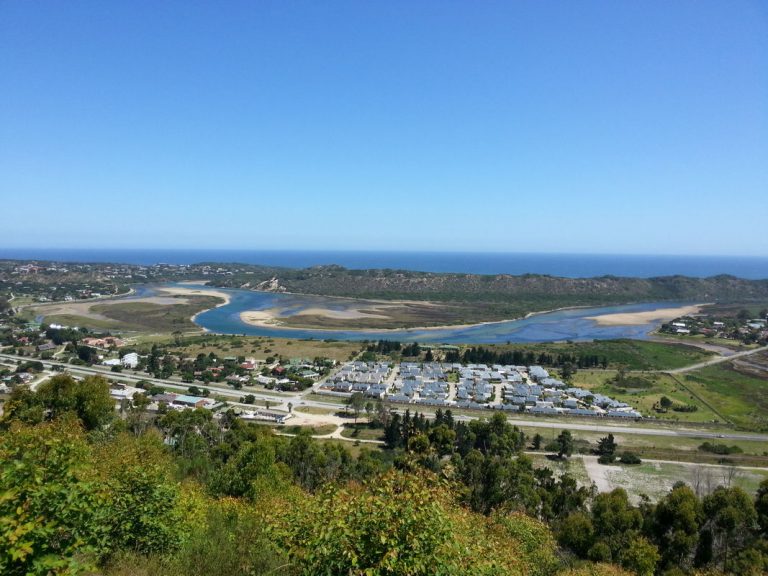
Get away to these universally accessible hotspots in the Garden RouteIt’s Tourism Month in South Africa and the travel industry is ready to strut their stuff after a crippling year due to the COVID-19 pandemic. Spearheaded by the National Department of Tourism, this month-long travel carnival will add much needed muscle to the Tourism Sector Recovery Plan aimed to support and rejuvenate this important economic driver.A big headliner during Tourism Month is the importance of domestic tourism. This sector is a huge contributor in creating employment through inclusive economic growth, as well as a competent and dynamic workforce to support an inclusive growth path.With this in mind, the Department of Economic Development and Tourism (DEDAT) Western Cape has identified four themes to celebrate Tourism Month this year. During Week 1, the topic of universal accessibility will be explored,
Week 2 is all about affordability,
Week 3 revolves around responsibility and
Week 4 covers transformation.
Each week provincial attractions and activities applicable to these respective themes will be highlighted.Starting off Week 1, “universal access” can be defined as products, environments, programmes and services that can be used by all people to the greatest extent possible without the need for adaptation or specialised design. It means the removal of cultural, physical, social and other barriers that prevent people with disabilities from entering, using or benefiting from the various systems of society that are available to other citizens (abbreviated extract from UN Convention Article 2).he Garden Route is known for its smorgasbord of getaways and activities rendering access to all. Whether it’s nature, history, adventure or culture they are after, everyone from all spheres of life is covered. Here is a roundup of a few of these gems that offer universal access:
For those into nature, there is no better escape than the Wilderness section of the Garden Route National Park. It’s a place of unlimited beauty and explorers can spend many dreamy hours in, on or next to rivers, lakes, estuaries, beaches, forests and mountains. The cherished Wilderness section rests comfortably between George and Knysna.Dive into history with a visit to the Transnet Transport Museum in George. This simply captivating collection of trains, ox-wagons, old-fashioned fire engines and a funeral hearse will keep visitors spellbound. There is an assortment of beautifully kept, privately-owned vintage cars, with the stately Royal White Train used during the British Royal Tour of 1947 as its crowning glory.A visit to the Redberry Farm on the outskirts of George is a family outing like few other. Take a leisurely stroll through strawberry fields, picking out your own little red delights, or sip a cup of coffee while watching the kids enjoy themselves in the play area with its many intriguing fixtures. There are several eateries on the premises where guests can delight in the likes of artisan ice cream and pizzas, with even a wine tasting of superb local wines thrown into the mix.Come marvel in the brilliant showcase of locally indigenous flora at the Garden Route Botanical Gardens. It’s a popular place to absorb the healing peace and harmony of Mother Nature. Tuck into a light lunch at their restaurant while taking in the views over the mighty Outeniqua Mountains.Talking about the Outeniqua Mountains, why not get up close and personal with a trip up there in the popular Outeniqua Power Van? This former rail inspection trolley trails through breath-taking scenery, dotted by ferns, waterfalls and the occasional bush buck. Sit back and listen to the interesting commentary on the indigenous fauna and flora before dismounting for a picnic and panoramic views over George.The world is opening up again and George, Wilderness and Uniondale welcome travellers. Everyone knows the reviving power of a quick getaway – those special memories created with loved ones and the stimulation offered by visiting new places, meeting new people and trying out new things.So don’t wait – escape the mundane life and go explore. All tourist activities and attractions in the area are COVID-19 safety compliant. For more information on what this exciting traveller’s paradise has to offer, visit the George, Wilderness and Uniondale Tourism website at www.visitgeorge.co.za.
Disposal of Household Hazardous Waste

The George Municipality has made it possible for you to get rid of all your hazardous waste that you have accumulated in your garage over the years.
OPEN DAY
Disposal of Household Hazardous Waste
10 September 2021
Parking lot opposite Outeniqua Stadium, Augusta Street
Open from 8:00 until 15:00
Do you have the following household hazardous waste items at home and don’t know how to properly dispose of them?
Bring them to a Household Hazardous Waste Disposal Event!
- Motor oil, oil filters, brake fluid
- Used antifreeze
- Paint, paint thinner, turpentine
- Pesticides or herbicides
- Household batteries
- CRTs, old TVs, miscellaneous electronics
- Tyres
- Fluorescent tubes and Globes
- Household medical waste (needles and old medicine and tablets)
The following item are NOT accepted:
- Explosives
- Ammunition
- Radioactive Materials
- Controlled Substances
Additional Information
- Bring the items you wish to dispose of in a strong box preferably in their original, labeled containers.
- Do not EVER mix products together.
- Be prepared to leave your containers, due to permitting requirements, and the volume of people that may utilize the program.
This is your opportunity to get rid of these items at NO COST
and at a convenient, nearby location.
For any enquiries, kindly contact Grace Notshokovu on 044 802 2917.
OPEDAG
Verwydering van Gevaarlike Huishoudelike Afval
10 September 2021
Parkeering oorkant Outeniqua Stadion, Augusta Straat
Oop van 8:00 tot 15:00
Het u enige van die volgende gevaarlike huishoudelike afval items by die huis en weet u nie hoe om wettiglik daarvan ontslae te raak nie?
Bring dit na ‘n Verwydering van Gevaarlike Huishoudelike Afval geleentheid.
• Motor olie, olie filters, remvloeistof
• Gebruike vriesteenmiddel
• Verf, verfverdunner, terpentyn
• Plaagdoders of onkruiddoders
• Huishoudelike batterye
• Ou TV stelle, verskeidenheid elektroniese toestelle
• Motorbande
• Fluoorbuise en gloeilampe
• Huishoudelike mediese afval (naalde en ou medisyne en tablette)
Die volgende items word NIE aanvaar nie:
• Plofstowwe
• Ammunisie
• Radioaktiewe materiale
• Wetlikbeheerde medisyne
Addisionele inligting
• Bring die items wat u graag ontslae wil van raak in ‘n sterk kartondoos, verkieslik die oorspronklike verpakking en merk die kartondoos.
• Moet nooit gevaarlike items meng nie.
• As gevolg van permit vereistes en die hoeveelheid persone wat aan die program mag deelneem, sal van u verwag word dat u bereid moet wees om u houer saam met die gevaarlike afval in te gee.
Hierdie is u geleentheid om GRATIS ontslae te raak van hierdie items by ‘n gerieflike en naby geleë plek.
Vir enige navrae kontak gerus vir Grace Notshokovu 044 802 2917.
Experts debunk myths about the Covid-19 vaccine

24 August 2021
Article released by Western Cape GovernmentOver the last few weeks, we have seen how misinformation leads to low uptake of the life-saving COVID-19 vaccine. Here, Infectious Disease and Vaccine experts from Tygerberg and Groote Schuur Hospital debunks those myths. The purpose of this continuous transparent information sharing is to provide citizens with accurate information so they can make an informed decision in being vaccinated. Myth – “The vaccine will impact negatively on a person with comorbidities (diabetes, cancer, hypertension, lupus, lung disease, TB, HIV etc.) Expert opinion – “People with chronic medical conditions like diabetes, heart failure, asthma, lupus or rheumatoid arthritis, for example, are often uncertain whether they should go for their COVID-19 jab. They fear that it may worsen their underlying condition. I can ensure you today that this is not the case. People with a chronic medical condition are at increased risk of contracting severe COVID-19 and then land up in hospital, ICU or even die from COVID-19 infection. The main benefit of the COVID-19 vaccination is it prevents severe COVID-19, hospitalization and death, specifically in these people with increased risk of severe disease”. – Dr Jantjie Taljaard – Infectious Diseases Physician at Tygerberg Hospital Myth – We don’t know what the long-term effects of the vaccine. Expert opinion – “Many people are afraid of going for their COVID-19 vaccination because they are told by friends, family members and through social media that it might cause severe long term side effects. That is completely untrue. Over 4 billion people across the world has been vaccinated in the last eight months, and in South Africa in the last five months. And we have not seen any long-term side effects. In fact, what we have seen is that COVID-19 vaccines, saves lives. In Tygerberg Hospital’s Intensive Care Unit during the third wave, all the people admitted, was not vaccinated. Please save your own life and get the jab, I did!” – Dr Jantjie Taljaard – Infectious Diseases Physician at Tygerberg Hospital Myth – the side-effects are severe and the vaccine will kill you Expert opinion – “I want to make it clear that COVID vaccinations do have side effects like any vaccination. The common side effects include pain or redness at the injection site, headache, muscle pains and fever or chills. These are usually mild or moderate and get better after a day or two. There are also severe and sometimes life-threatening side effects of the vaccine, but these are exceedingly rare – we know that if 1 million people are vaccinated with a COVID vaccine fewer than 5 people among them will develop life-threatening complications. These very rare side effects include anaphylaxis (a severe allergic reaction), blood clots and inflammation of the heart. There are treatments for these side effects and that’s one of the reasons why it is important that the medical profession and public are aware of these extremely rare side effects. It is, however, very clear that the risk of dying of a severe COVID-19 disease far outweighs these exceedingly rare side-effects, and that the vaccine offers great protection against severe illness and even greater protection against death due to the virus.”– Professor Graeme Meintjes – Infectious Diseases doctor and Deputy Head of the Department of Medicine at Groote Schuur Hospital Myth – Vaccines can harm your body Expert opinion – “I want to stress is that with any medical intervention (treatment or prevention) there are benefits and potential harms. It is only justified for the medical profession to recommend and provide an intervention if the benefits far outweigh the potential harms. That is the case with COVID vaccinations. The benefits in terms of preventing death and hospitalization due to COVID far outweigh the risks of these exceedingly rare side effects. To put it in perspective, it is estimated from Medical Research Council’s excess death statistics that over 20,000 people have died to COVID in the Western Cape. We know that vaccinating a large percentage of the adult population of the Western Cape would very effectively prevent many deaths going forward – saving thousands of lives. There is a risk of life-threatening side effects from the COVID vaccines, but the data suggests that these would affect fewer than 20 people if we vaccinated all adults in the Western Cape. The benefits of vaccination in terms of thousands of lives saved far outweighs the risks of these exceedingly rare side effects. I have worked in the COVID wards at Groote Schuur for the last 18 months. I have seen hundreds of people die as a result of COVID. I have not seen a single death due to the vaccination yet. I know that we now have the means to prevent most deaths from COVID going forward – through COVID vaccination. I appeal to every single adult in our country to get vaccinated – to protect our hospitals from another wave of COVID, but more importantly to protect your own life. Please get vaccinated and don’t delay!”-Professor Graeme Meintjes Infectious Diseases doctor and Deputy Head of the Department of Medicine at Groote Schuur Hospital Wrong assumption – You can still get COVID-19, so no point in getting the vaccine Expert opinion “The point of being vaccinated is that your chances of getting severe disease, ending up in hospital or even dying, are severely decreased if you get the vaccine. So the current variant that is circulating in the Western Cape is the Delta variant, and recent research shows that the J & J vaccine that all the health care workers received (over 480 000 health care workers received the J & J vaccine)and it has shown to be 96% effective death and 66% effective against severe illness requiring hospitalisation. So, that is why you should be vaccinated. Ideally, we would like a vaccine that also stop us from getting infected with the Corona virus but until then, the benefits of reducing severe disease, and not dying, decreasing the burden on hospitals, is why you should be vaccinated.” – Dr Lisa Frigati – Paediatric Infectious Disease Specialist at Tygerberg Hospital Myth – The COVID-19 vaccines were developed too fast to be safe Expert opinion “The reason that we have a vaccine so quickly is because of the massive political will and huge amount of funding that went into the development of the vaccine. Just because it was developed quickly does not mean it NOT is safe. Billions and billions of people all over the world have now received the vaccine over the last eight months. And they are only very rare side effects.” Dr Lisa Frigati – Paediatric Infectious Disease Specialist at Tygerberg Hospital For accurate information, please visit our official provincial government website: https://coronavirus.westerncape.gov.za/
Anger Management Tips to use in Stressful Situations

When an individual is dealing with anger issues, usually their emotions evolve when put in stressful situations. If a difficult incident pops up, often their only way to cope with it is to put up their defensive side. Becoming angry is probably easier than dealing with the circumstances. This is unfortunate since anger doesn’t solve anything. Once it subsides, the problem is still there.There are anger management tips which people can used when found in stressful situations. If there is a friend or family member who is easy to talk to and understanding, it might be good to talk to them. When an individual becomes angry they are incapable of seeing the other side of the problem. Talking to someone may help them by sharing their side of the story. The friend or family member may be able to help them sort through their issues and make them look at the situation from the other side. This anger management tip may work well for some people.Another great anger management tip is to write down thoughts and feelings during a fit of anger. The angry individual may feel as if nobody understands or cares about their problems. Sharing may only cause extra conflict. Lashing out will get them nowhere. Writing or journaling may help people with anger issues. Without anyone to talk back or object to what they have to say, it may be help to get their feelings off their chest. Using writing as an anger management tip may also help in the future when trying to find the triggers which cause the angry outbursts. Being able to look back over the information written may provide the person with reasons for their anger through reading about similar incidents.Taking a vacation, spending some alone time is another good anger management tip. Removing oneself from the environment which seems to frustrate and irritate them may be a wise idea. Being able to get away and reflect on their actions may help an individual to look at things differently. Given space and time may be positive for a person with anger issues.Some people suggest prayer and meditation as anger management tips. Both of these suggestions involve very personal practices for an individual. Given a chance to pray and be alone with one’s thoughts is a good way to release tension and let the pressures of life wash away. Letting go of feelings of anger and negative thoughts would definitely make a positive change in a person’s life. Through prayer and meditation a person is able to dig deep into their minds and souls for answers to their problems and comfort for their broken spirits.There are lots of anger management tips which people can practice when the going gets tough. Tips such as breathe deeply, exercise, get more rest, get out in nature, find humor in the situation and play or listen to music. These are all recommended as anger management tips for the person who finds themselves in stressful and confrontational situations.
20 TIPS From a burglar

- Of course I look familiar. I was here just last week cleaning your carpets, painting your shutters, or delivering your new refrigerator.
- Hey, thanks for letting me use the bathroom when I was working in your yard last week. While I was in there, I unlatched the back window to make my return a little easier.
- Love those flowers. That tells me you have taste … and taste means there are nice things inside. Those yard toys your kids leave out always make me wonder what type of gaming system they have.
- Yes, I really do look for newspapers piled up on the driveway. And I might leave a pizza flyer in your front door to see how long it takes you to remove it.
- If it rains while you’re out of town, get a neighbour to create car and foot tracks into the house. Spotless driveways are a dead giveaway.
- If decorative glass is part of your front entrance, don’t let your alarm company install the control pad where I can see if it’s set. That makes it too easy.
- A good security company alarms the window over the sink. And the windows on the second floor, which often access the master bedroom-and your jewellery. It’s not a bad idea to put motion detectors up there too.
- It’s raining, you’re fumbling with your umbrella, and you forget to lock your door – understandable. But understand this: I don’t take a day off because of bad weather.
- I always knock first. If you answer, I’ll ask for directions somewhere or offer to clean your gutters. [Don’t take me up on it.]
- Do you really think I won’t look in your sock drawer? I always check dresser drawers, the bedside table, and the medicine cabinet.
- Helpful hint: I almost never go into kids’ rooms.
- You’re right: I won’t have enough time to break into that safe where you keep your valuables. But if it’s not bolted down, I’ll take it with me.
- A loud TV or radio can be a better deterrent than the best alarm system. If you’re reluctant to leave your TV on while you’re out of town, you can buy a device that works on a timer and simulates the flickering glow of a real television.
- Sometimes, I carry a clipboard. Sometimes, I dress like a lawn guy and carry a rake. I do my best to never, ever look like a crook.
- The two things I hate most: loud dogs and nosy neighbours.
- I’ll break a window to get in, even if it makes a little noise. If your neighbour hears one loud sound, he’ll stop what he’s doing and wait to hear it again. If he doesn’t hear it again, he’ll just go back to what he was doing. It’s human nature.
- I’m not complaining, but why would you pay all that money for a fancy alarm system and leave your house without setting it?
- I love looking in your windows. I’m looking for signs that you’re home, and for flat screen TVs or gaming systems I’d like. I’ll drive or walk through your neighbourhood at night, before you close the blinds, just to pick my targets.
- Avoid announcing your vacation on your social networking site. It’s easier than you think to look up your address.
- To you, leaving that window open just a crack during the day is a way to let in a little fresh air. To me, it’s an invitation.
10 tips to have a fresh breath

Bad breath is experienced by most people at some time. It may simply be “morningbreath” but can be a persistent chronic condition which affects a person’s everyday life and confidence.It is almost always caused initially by poor oral hygiene leading to a build up of excess bacteria in the mouth and which gives off smelly gases.
So, contrary to popular belief the following do not usually contribute towards the problem of halitosis: constipation, tonsils, gastro-intestinal problems and food.View Top 10 Tips below that will help keep your breath fresh and clean!
- Keep your tongue clean Gently brush it with a soft nylon toothbrush after you brush your teeth.
- Drink More Water! The drier your mouth, the worse your breath gets
- Keep Calm Stress makes your breath worse!
- Avoid breath mints and/or gum that contain sugar These actually make your breath worse
- Don’t try to kill the odor of bad breath with another odor This is what most of the ‘Big Name’ oral care companies would like you to believe works
- Blow your nose more often Your breath gets worse when you have a cold, allergies, or post-nasal drip
- Don’t use mouth wash w/ alcohol or toothpaste that has sodium lauryl sulfate Do you have any idea how many oral care products contain these two ingredients? Here’s a hint, just about all of them
- Drink plenty of water when taking prescription medications Many of these medicines make your mouth extremely dry
- Stop Smoking It will give you bad breath in a nanosecond, but may only take 20 years to kill you!
- And finally, The Best Way to Eliminate & Prevent Bad Breath? Use Clinically Proven Oxygenating Oral Products .
- Despite public opinion, bad breath rarely comes from the stomach.
- Most people can smell other people’s breath, but have troublesmelling their own. So, if you think you have bad breath, you might or you might not. Bad taste is usually not a good indication. The best and simplest way to find out is to ask an adult in your family or a close friend.
- In the mouth, the most common source of bad breath is the very back of the tongue. Food debris, dead cells and postnasal drip can accumulate there, and the breakdown of the proteins by the resident bacteria causes foul odor. The second most important cause is bacteria breaking down protein between your teeth. By the way, the gases and other molecules that the bacteria produce are toxic and can harm your gums as well. Two good reasons to floss every day (if you don’t believe me, smell the floss)…
- Bad breath usually increases when the mouth is dry. Chewing sugarless gum for 4-5 minutes at a time can be helpful.
- The generalization that mouthwashes work for only a few minutes is wrong. Try gargling right before bedtime for best results. Some researchers recommend alcohol-free mouthrinses.
- Eating a hearty and healthy breakfast cleans the mouth and back of the tongue, gets the saliva flowing, and is probably good for you.
- Some people (maybe 5-7% of the population) have experienced small crumbly ’stones’ in their mouths that have a foul smell. These are called ‘tonsillitis’. They are partially calcified, full of bacteria and develop in crypts in the tonsils. They smell pretty bad, but do not always cause bad breath (again, you have to ask someone).
- In the large majority of cases, bad breath can be dramatically improved or eliminated.
- Children as young or two or three can have bad breath from postnasal drip, dental plaque and transient throat infections. However, if they develop sudden offensive odor that appears to come from all over their body, ask the physician to check whether they stuffed something up one of their nostrils.